Are Air Fryers Bad For Health in 2026? Expert Guide
Are air fryers bad for health? While air fryers drastically reduce dietary fat compared to deep frying, high-heat cooking can still produce potentially harmful compounds like acrylamides and AGEs. Proper usage, safe non-stick materials, and smart ingredient choices determine whether your air fryer is truly safe for daily use.
Air fryers are not inherently bad for your health, and from a nutritional standpoint, they are a massive upgrade over traditional deep-frying. By using rapid air circulation to crisp food with a fraction of the oil, they can slash your daily fat and calorie intake by up to 70% to 80%. This reduction makes them a powerful tool for weight management and cardiovascular health.
However, health concerns in 2026 center on chemical reactions at high temperatures and material safety. While you avoid the inflammatory hazards of a vat of boiling oil, the intense dry heat still triggers chemical changes in your food and raises valid questions about non-stick basket coatings.
Key Takeaways
- Air frying cuts fat by up to 80% compared to traditional deep frying methods.
- High heat still creates acrylamides, though generally in lower amounts than deep frying.
- Ensure your air fryer features PFOA-free and PTFE-safe non-stick coatings to prevent chemical leaching.
- Avoid using the appliance primarily to cook ultra-processed, high-sodium frozen foods.
- Monitor cooking times and avoid charring food to minimize advanced glycation end-products.
What Causes Health Concerns in Air Fryers
Acrylamide and Advanced Glycation End-Products (AGEs)
When starchy foods like potatoes or protein-rich meats are exposed to high dry heat, chemical transformations occur. Air fryers use a heating element and a fan to circulate high-temperature air, which can produce compounds called acrylamides and advanced glycation end-products (AGEs).
- Acrylamide formation: This chemical forms when plant-based sugars and the amino acid asparagine react at temperatures above 248 degrees Fahrenheit (120 degrees Celsius). High levels of acrylamide are classified as a potential carcinogen by health agencies.
- AGE accumulation: Cooking meats at very high heat accelerates the creation of AGEs. These compounds contribute to cellular oxidative stress, inflammation, and long-term chronic conditions like diabetes and heart disease.
- Comparison to deep frying: Air fryers generally produce lower levels of acrylamide than traditional deep frying because they use significantly less oil and shorter cook times. Yet, the risk is not zero if you overcook your food.
Non-Stick Coatings and Material Safety Concerns
Beyond the food itself, the physical basket of your appliance requires scrutiny. Most budget-friendly and mid-tier air fryers rely on non-stick coatings to keep food from welding to the grate.
- PTFE and PFOA: Traditional polytetrafluoroethylene (PTFE) coatings are safe at normal cooking temperatures. However, if an air fryer is left empty and overheats past 500 degrees Fahrenheit, the coating can break down and release toxic polymer fumes.
- Microplastic risks: As older non-stick baskets scratch and peel over time due to metal utensils or aggressive scrubbing, microscopic particles can flake off directly into your meals.
- Safer alternatives: Manufacturers in 2026 increasingly offer ceramic-coated baskets or full stainless steel interior options to bypass synthetic chemical concerns entirely.
How to Fix Your Air Frying Habits for Maximum Safety
Adjusting Temperatures and Prep Methods to Lower Chemical Risks
You do not need to abandon your appliance to stay healthy. Minor tweaks to your cooking routine dramatically reduce your exposure to harmful chemical byproducts without sacrificing texture.
- Skip the char: Aim for a golden-yellow finish rather than a dark brown or charred crust on potatoes and bread products. Darker colors directly correlate with higher acrylamide content.
- Soak your starches: Soaking raw cut potatoes in water for 15 to 30 minutes before air frying leaches out excess asparagine, cutting acrylamide formation by up to 90%.
- Lower the thermostat: Drop your cooking temperature by 25 degrees and extend the time slightly when preparing dense meats to minimize the creation of inflammatory AGEs.
Upgrading Equipment and Maintenance Practices
The hardware you use dictates how safely your food cooks. Taking a proactive inventory of your kitchen gear prevents chemical leaching and long-term wear.
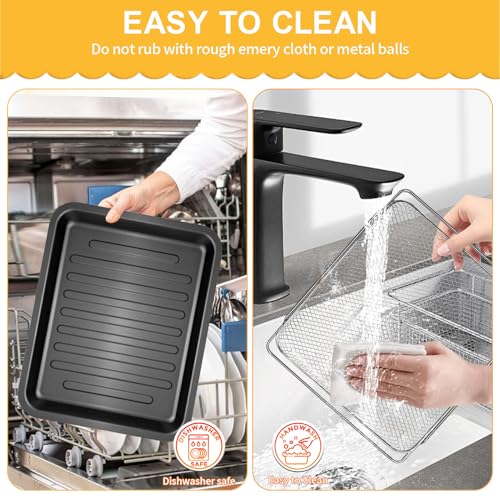
- Inspect for scratches: Routinely check your basket for peeling surfaces. Replace any non-stick unit that shows signs of flaking, or upgrade to a certified PTFE-free ceramic model.
- Ditch metal utensils: Never use metal tongs, forks, or spatulas inside a coated air fryer basket. Stick to silicone or wooden tools to preserve the integrity of the surface.
- Prioritize stainless steel: If you want absolute peace of mind regarding non-stick toxicity, look for toaster-oven style air fryers that feature stainless steel wire racks and pans.
Step-by-Step Guide to Choosing Safe Air Fryer Materials
Navigating the appliance market in 2026 requires strict attention to material safety. Regulatory bodies and consumer safety groups increasingly emphasize non-toxic manufacturing standards for kitchen electronics. Prioritizing certified materials protects your household from unwanted chemical exposure.
1. Inspect Coating Certifications
Always verify that the basket coating is explicitly certified as PFOA-free and PFOS-free. Modern ceramic-coated alternatives often provide a safer non-stick surface than traditional polytetrafluoroethylene. Check the manufacturer specifications for compliance with current food-contact safety thresholds.
2. Evaluate Internal Body Construction
Look for air fryers featuring food-grade stainless steel interiors rather than exposed aluminum or coated plastics. Stainless steel eliminates concerns regarding heavy metal leaching at high convection temperatures. Premium 2026 models frequently utilize full stainless steel cavities for enhanced durability and safety.
3. Review Independent Laboratory Testing
Consult independent product safety reviews that test for volatile organic compounds and thermal degradation under continuous use. Trusted consumer advocacy groups regularly publish updated safety matrices for popular countertop appliances. Selecting a verified model ensures long-term culinary safety.
What If Your Air Fryer Still Leaches Chemicals or Smells
Persistent chemical odors or strange tastes after multiple uses indicate a potential manufacturing defect or failing internal component. Ignoring these warning signs can compromise food quality and indoor air safety. Implement these diagnostic steps if standard initial burn-in procedures fail:
- Perform a deep thermal cleanse by running the appliance empty at maximum temperature for 20 minutes in a well-ventilated room, combined with a water-and-lemon solution inside the basket to neutralize lingering residues.
- Inspect the internal heating element and fan assembly for stray plastic packaging, protective film remnants, or manufacturing grease that standard cleaning missed.
- Contact the manufacturer customer service department to request a warranty replacement if the chemical odor persists past the first five cooking cycles.
- Consult a certified small-appliance repair technician if the unit is out of warranty, keeping in mind that professional diagnostic and repair services typically range from $40 to $80.
- Recycle the appliance responsibly through local electronic waste programs if the internal wiring or coating degradation poses an ongoing safety hazard.
Conclusion
Addressing health concerns regarding air fryers requires mindful material selection and proper maintenance practices. According to verified research and expert sources from food safety authorities in 2026, modern ceramic and stainless steel models offer a safe, low-fat alternative to traditional deep frying when operated correctly. Your immediate next step is to inspect your current appliance’s interior coating and replace any outdated models that lack transparent safety certifications.
❓ Frequently Asked Questions
How do acrylamides form in an air fryer and are they dangerous?
Acrylamides form when starchy foods are heated to high temperatures through chemical reactions between sugars and amino acids. While classified as a potential carcinogen, the levels produced in air fryers are typically lower than those found in traditional deep-fried or heavily roasted foods.
What are advanced glycation end-products (AGEs) and does air frying create them?
AGEs are harmful compounds formed when proteins or fats combine with sugar in the bloodstream or during high-heat cooking. Because air fryers use dry heat, they do generate AGEs, but proper temperature control and avoiding overcooking can keep these levels manageable.
Are ceramic air fryers safer than Teflon-coated baskets?
Ceramic-coated air fryers are often considered a safer alternative for consumers worried about traditional non-stick chemicals like PTFE. However, ceramic coatings can wear down faster over time, so proper cleaning with non-abrasive sponges is essential.
Does the type of oil used in an air fryer impact health?
Yes, even though air fryers use very little oil, the smoke point and stability of the oil matter. Using stable, high-smoke-point oils like avocado oil or light olive oil prevents the oil from breaking down into harmful free radicals during cooking.
Can cooking ultra-processed foods in an air fryer negate its health benefits?
Cooking pre-packaged, highly processed frozen foods in an air fryer lowers fat content compared to deep frying, but it does not remove high sodium, preservatives, and refined ingredients. True health benefits come from pairing the appliance with whole foods.
How can I minimize microplastic or chemical exposure from my air fryer?
To minimize chemical exposure, purchase reputable brands that explicitly state their products are free from PFOA, lead, and cadmium. Additionally, never preheat an empty air fryer on maximum heat for extended periods, as this degrades the coating rapidly.