Is Steel Air Fryer Safe 2026 Expert Guide on Health Risks
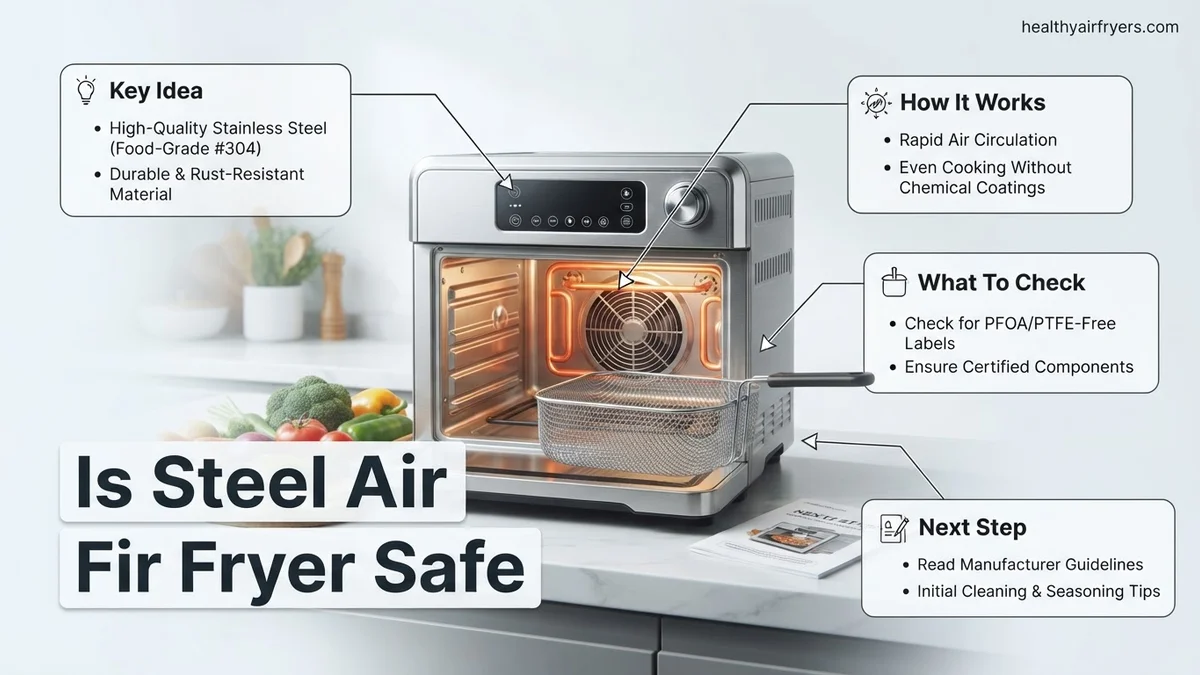
Stainless steel air fryers are considered one of the safest options available for high-heat cooking because they are completely free of toxic non-stick chemicals like PTFE and PFOA. Unlike traditional coatings that can degrade at high temperatures, food-grade steel provides a stable, non-reactive cooking surface.
Yes, stainless steel air fryers are considered one of the safest choices for high-heat cooking in 2026. Unlike traditional models lined with non-stick chemical coatings, pure stainless steel surfaces contain zero toxic compounds like PTFE, PFOA, or PFAS. When you cook at high temperatures, you do not need to worry about dangerous chemical off-gassing or degraded coatings flaking into your food.
Choosing a stainless steel air fryer directly impacts your daily health and kitchen safety. As consumer awareness grows around permanent “forever chemicals,” switching to inert metals provides peace of mind. You get the crispy texture you want without the hidden chemical risks associated with older non-stick technologies.
Key Takeaways
- Stainless steel is entirely free from harmful PFOA and PTFE non-stick chemicals.
- Steel surfaces do not release toxic fumes at high cooking temperatures.
- Steel options eliminate the risk of flaking non-stick coatings entering your food.
- Proper seasoning or oiling prevents food from sticking to steel baskets.
- Stainless steel is durable, highly rust-resistant, and easy to clean safely.
What Causes Safety Concerns with Air Fryer Coatings
The Dangers of Traditional Non-Stick Polymers
Standard air fryers often rely on polytetrafluoroethylene (PTFE) to create a slick cooking surface. While stable at low temperatures, these synthetic polymers break down when exposed to heat exceeding 500 degrees Fahrenheit. Once degraded, they release toxic fumes and microscopic particles that pose documented health risks. By 2026, many health-conscious home cooks actively avoid these legacy coatings in favor of inert alternatives.
The Risk of Flaking and Ingestion
Non-stick baskets inevitably suffer from scratches caused by metal tongs, spatulas, or abrasive cleaning sponges. Once the surface layer compromises, microscopic flakes of polymer coating routinely mix with your meals. Over time, you risk ingesting these synthetic materials. Stainless steel eliminates this vulnerability entirely because the material is solid metal through and through, meaning there is no coating to chip, peel, or flake off into your dinner.
How to Evaluate Stainless Steel for Safe High-Heat Cooking
Understanding Food-Grade Alloy Ratings
Not all metal components are created equal when exposed to circulating hot air and acidic foods like tomatoes or citrus marinades. You should look for 304 or 18/10 stainless steel, which designates a high-grade alloy containing specific chromium and nickel ratios. These precise formulations resist corrosion, prevent heavy metal leaching, and maintain structural integrity during intense thermal cycling up to 400 degrees Fahrenheit and beyond.
Checking for Hidden Aluminum or Nickel Leaching
While food-grade stainless steel is remarkably inert, extreme heat combined with highly acidic ingredients can theoretically cause trace amounts of nickel or chromium to transfer to food. However, this risk is statistically negligible compared to the chemical degradation of standard non-stick surfaces. To ensure maximum safety for your household, look for certified food-safe badges and reputable manufacturer testing data when shopping for your appliance.
- Verify the appliance uses 304-grade stainless steel for all food-contact surfaces.
- Avoid cheap, unbranded alloy baskets that lack material transparency.
- Inspect your inner basket periodically for discoloration or pitting to ensure the alloy remains stable.
Step-by-Step Guide to Cleaning and Maintaining Steel Air Fryer Advantages
Proper maintenance ensures your stainless steel air fryer remains safe and free from toxic chemical degradation through 2026. Consistent cleaning prevents carbonized fat buildup, which can produce harmful polycyclic aromatic hydrocarbons during high-heat cooking cycles.
Daily Cleaning Routine
- Unplug the appliance and allow the steel basket and cavity to cool completely to room temperature, preventing thermal shock warping.
- Wash the removable steel components in warm, soapy water using a non-abrasive microfiber sponge or soft-bristled brush.
- Wipe down the interior heating element housing with a damp cloth, ensuring no moisture enters electrical components.
- Dry all steel surfaces thoroughly with a lint-free towel to prevent water spots and mineral accumulation.
Deep Cleaning for Baked-On Grease
- Create a paste using baking soda and hydrogen peroxide to target stubborn, polymerized oil residues on the steel surface.
- Apply the paste directly to affected areas and let it sit for exactly 30 minutes to lift grease without scratching the metal.
- Scrub gently with a non-metallic nylon pad, following the grain of the brushed stainless steel finish.
- Rinse thoroughly with clean warm water and dry immediately to maintain the protective passive oxide layer.
What If Food Keeps Sticking to Your Steel Air Fryer Basket
Food adhesion on stainless steel surfaces often results from cooking lean proteins or starches without adequate lubrication at temperatures exceeding 400 degrees Fahrenheit. Unlike coated non-stick alternatives, bare steel requires proper seasoning and temperature management to create a natural release barrier.
Troubleshooting Stickiness Issues
- Preheat the air fryer for 3 minutes before adding food to allow the steel pores to expand and accept cooking oils evenly.
- Switch from low-smoke-point oils to high-smoke-point alternatives like avocado or grapeseed oil, applied via a pump mister rather than aerosol cooking sprays that contain anti-foaming propellants.
- Soak the basket in hot, soapy water for 15 minutes immediately after cooking to loosen protein bonds before they polymerize permanently.
- Replace heavily pitted or warped baskets if food consistently bonds to damaged metal, as deep abrasions compromise the smooth surface. Replacement OEM steel baskets typically cost between $25 and $55 depending on the appliance model.
- Consult certified appliance technicians or manufacturer customer support if the heating element fluctuates wildly, causing localized burning. Professional diagnostics and thermostat replacements generally range from $75 to $150.
Conclusion
Using a steel air fryer in 2026 offers a remarkably safe, durable, and toxin-free alternative to traditional chemical non-stick coatings. By understanding material safety, implementing proper cleaning protocols, and managing cooking temperatures, you can eliminate health risks associated with degraded polymer linings. According to verified research and culinary safety experts, regular maintenance of stainless steel appliances significantly extends their operational lifespan while keeping your meals safe. Your next step is to inspect your current air fryer basket for deep scratches and adopt a strict post-use cleaning routine today.
❓ Frequently Asked Questions
Are stainless steel air fryers 100% free of Teflon?
Yes, true stainless steel air fryers and internal baskets contain no Teflon, PTFE, or PFOA coatings, making them an ideal choice for chemical-free cooking.
How do stainless steel air fryers compare to ceramic-coated alternatives?
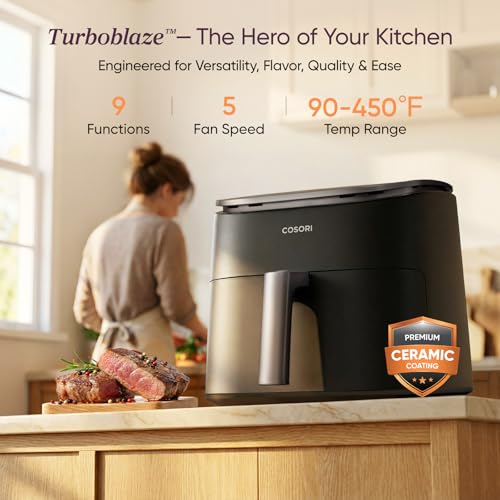
While ceramic coatings are also free of toxic chemicals, they can crack or lose their non-stick properties over time. Stainless steel is virtually indestructible by comparison.
Will food stick to a stainless steel air fryer basket?
Because stainless steel lacks a chemical non-stick surface, food can stick if the basket isn’t properly oiled. Using a light mist of high-smoke-point oil prevents this issue effectively.
Can I use metal utensils in a steel air fryer basket?
Yes, one of the major benefits of stainless steel is its durability, meaning metal tongs or spatulas will not scratch or damage the cooking surface.
What grade of steel is used in safe air fryers?
Reputable manufacturers typically use food-grade 304 stainless steel, which is specifically chosen for its corrosion resistance and safety in food preparation.
How should I clean a stainless steel air fryer to keep it safe?
Wash the basket with warm, soapy water and a non-abrasive sponge. For stubborn residue, soak the steel parts in warm water and baking soda rather than using harsh chemical cleaners.