How to Heat Up Ribs in Air Fryer Step-by-Step Guide 2026
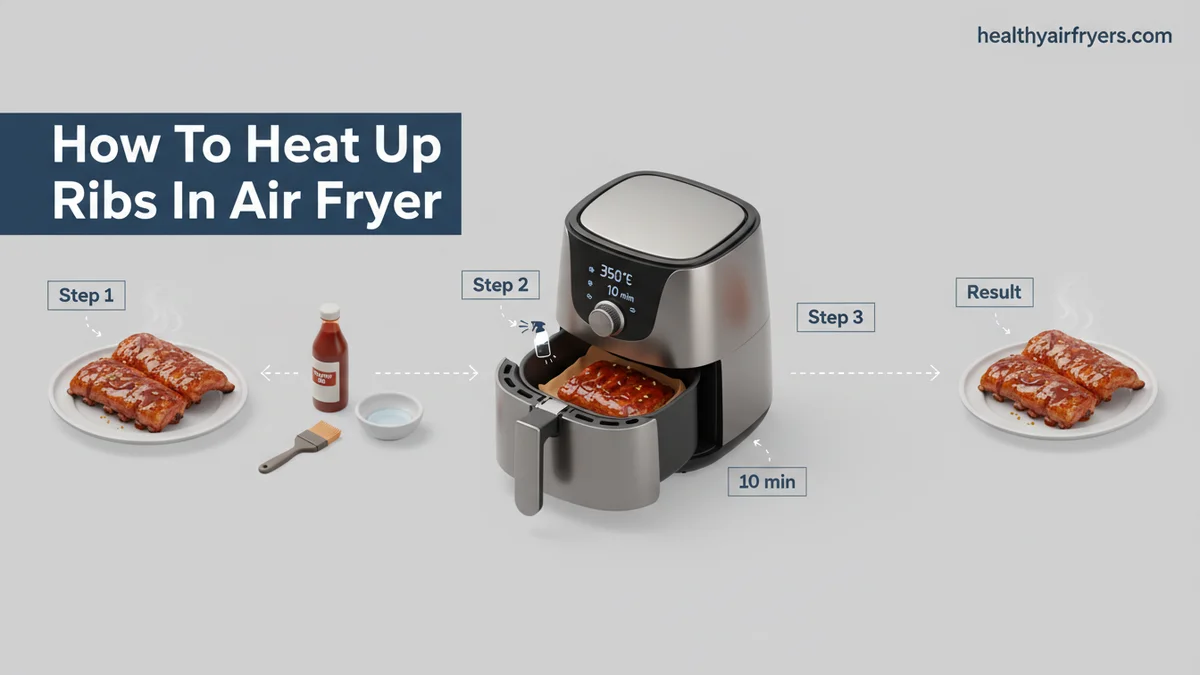
Reheating ribs without drying them out requires a balance of proper temperature and moisture retention. Air frying at 350°F for 4 to 8 minutes is the best method to restore a tender interior and a caramelized exterior. Adding a splash of broth and wrapping in foil protects the meat from losing its natural juices.
Reheating leftover ribs in an air fryer is the absolute best way to restore that fresh-off-the-smoker texture without drying them out. To get that crispy exterior and tender, juicy bite, you need to set your air fryer to 350°F and heat the ribs for 4 to 8 minutes, depending on the portion size.
Leftover ribs often turn out tough, chewy, and disappointing when reheated incorrectly. In 2026, home cooks demand kitchen solutions that save time while keeping food quality high. This step-by-step guide walks you through the exact technique needed to lock in moisture and revive your barbecue.
Key Takeaways
- Preheat the air fryer to 350°F to ensure even, fast heating.
- Add a splash of water, apple juice, or broth before wrapping in foil.
- Wrap individual sections or a small slab in aluminum foil to lock in moisture.
- Heat for 4 to 8 minutes depending on the thickness of the meat.
- Remove foil for the final 2 minutes if you want to crisp up the BBQ sauce.
Why Leftover Ribs Dry Out and Lose Flavor
When you store cooked ribs in the refrigerator, the fats solidify and the muscle fibers tighten up. Subjecting those ribs to harsh, dry heat causes the remaining internal moisture to evaporate instantly. Understanding this scientific breakdown helps you prevent the cardboard-like texture that ruins great barbecue.
The Danger of High Direct Heat
Blasting cold ribs with high heat without a moisture barrier is the fastest way to ruin them. The exterior burns long before the center warms up. Here is what happens inside your meat:
- Remaining surface moisture evaporates within the first 60 seconds.
- Melted collagen turns rubbery as the surrounding proteins contract.
- Dry convection currents strip away any residual juiciness.
Fat Render Loss
Much of the rendered fat that kept your ribs juicy during the initial cook has already dripped away or hardened in the fridge. Without a proper reheating strategy, you end up with dry meat. Protecting the remaining fat pockets is the secret to successful reheating.
Reheating Ribs Made Easy: Your Essential Action Plan
Leftover barbecue ribs can easily turn out dry and rubbery if you use the microwave or a scorching hot oven. This comprehensive guide reveals the secret to bringing yesterday’s smoked or grilled ribs back to life with a crispy exterior and a tender, juicy interior using your air fryer. By following these precise steps, you will restore that fresh-off-the-smoker flavor and texture in a fraction of the time it took to cook them originally.
Step 1: Bring Ribs to Room Temperature
What you need: Your leftover ribs, a clean cutting board, and a sharp knife.
Instructions: Take your ribs out of the refrigerator and let them sit on the counter for 15 to 20 minutes. Placing ice-cold meat directly into a hot air fryer causes the exterior to overcook and dry out before the center has a chance to warm through. While they rest, use a sharp knife to cut the rack into manageable sections—usually 2 to 3 bones per piece—that will fit comfortably in your air fryer basket without overlapping or touching the sides.
Pro Tip: Never skip the resting phase; a cold core will guarantee a lukewarm center even if the outside feels hot.
Step 2: Add Moisture for Tenderness
What you need: Apple juice, beef broth, or water in a spray bottle or a basting brush, plus aluminum foil.
Instructions: Because air fryers circulate dry heat rapidly, leftover meat needs extra hydration to prevent toughness. Lightly spritz or brush all sides of your rib sections with apple juice, beef broth, or even water. If your ribs look particularly dry, wrap them loosely in aluminum foil with a tablespoon of liquid trapped inside for the first few minutes of heating to steam them back to a succulent state before crisping.
Pro Tip: Apple juice pairs exceptionally well with pork ribs, adding a subtle sweetness that enhances the natural smoke flavor.
Step 3: Pre-heat Your Air Fryer
What you need: Your air fryer appliance.
Instructions: Plug in your air fryer and set the temperature to 350 degrees Fahrenheit. Allow the machine to pre-heat for 3 to 5 minutes. Pre-heating is crucial because it ensures an immediate sear on the surface of the meat, locking in the rendered fats and preventing the ribs from stewing in their own juices instead of crisping properly.
Pro Tip: Do not skip pre-heating, as putting food into a cold air fryer drastically alters your cooking times and ruins texture.
Step 4: Arrange the Ribs Correctly
What you need: Tongs and your prepared rib sections.
Instructions: Using a pair of kitchen tongs, carefully place the rib sections into the air fryer basket in a single, even layer. Ensure there is at least a half-inch of space between each piece of meat to allow the hot air to circulate freely. Never stack the ribs on top of one another, as the bottom layers will steam and become soggy while the top layers dry out.
Pro Tip: If you have a large rack of ribs, it is always better to reheat them in two separate batches rather than overcrowding the basket.
Step 5: The Initial Reheat Cycle
What you need: Kitchen timer.
Instructions: Cook the ribs at 350 degrees Fahrenheit for 3 to 5 minutes. This gentle initial heat warms the thickest parts of the meat and renders any congealed fats from refrigeration. Keep a close eye on the appliance, especially if your ribs have a high-sugar barbecue sauce coating, as sweet sauces can easily burn at high temperatures.
Pro Tip: If your ribs were wrapped in foil for moisture, carefully open or remove the foil now so the exterior can get crispy.
Step 6: Apply Fresh Sauce (Optional)
What you need: Your favorite barbecue sauce and a pastry brush.
Instructions: Open the air fryer basket and pull it out slightly. Take your pastry brush and apply a generous, fresh layer of barbecue sauce over the top and sides of the ribs. Adding sauce near the end of the heating process prevents the sugars from burning while giving you that sticky, glossy finish characteristic of fresh barbecue.
Pro Tip: Avoid using thick, highly sugared sauces at the very beginning of the process, or they will turn bitter and black.
Step 7: The Final Crisp and Serve
What you need: Tongs and a serving platter.
Instructions: Cook the sauced ribs for an additional 2 to 3 minutes at the same 350-degree temperature. Watch closely during these final moments to ensure the sauce caramelizes and bubbles nicely without scorching. Once finished, use your tongs to carefully transfer the ribs to a warm serving platter and let them rest for 2 minutes before digging in.
Pro Tip: Allowing the ribs to rest for a couple of minutes lets the hot juices redistribute throughout the meat.
✅ Final Checklist
- Ribs were brought to room temperature before cooking
- Moisture (juice or broth) was added to prevent dryness
- Air fryer was fully pre-heated to 350°F
- Ribs are arranged in a single layer without overcrowding
- Sauce was applied near the end to prevent burning
Important Notes:
- Always ensure leftover meat reaches an internal temperature of 165°F for food safety.
- Adjust cooking times down by 1-2 minutes if you are using a smaller basket-style air fryer.
- Total active time is under 10 minutes, with minimal cleanup required.
How to Prep Ribs for the Air Fryer to Retain Moisture
Preparation makes all the difference between succulent ribs and dried-out meat. A few simple adjustments before cooking will completely change your results. Treat your leftovers with care to replicate that fresh-cooked quality.
The Moisture Barrier Technique
You must introduce moisture before heating. Skipping this step guarantees dry meat. Try these preparation methods:
- Brush a thin layer of beef broth, apple juice, or water over the meat surface.
- Wrap smaller sections loosely in aluminum foil to trap steam during the first few minutes.
- Let refrigerated ribs sit on the counter for 15 minutes to take the chill off before cooking.
When to Apply Extra BBQ Sauce
Sauce burns easily in an air fryer because of its high sugar content. Timing your sauce application prevents a bitter, charred mess. Follow these rules for the best finish:
- Avoid adding heavy sugary sauce at the very beginning of the heating cycle.
- Apply a fresh coat of sauce during the final two minutes of air frying.
- Let the residual heat caramelize the sauce slightly without burning it.
Step-by-Step Guide on How to Heat Up Ribs in Air Fryer
Mastering the precise sequence ensures your leftover barbecue retains its signature bark while becoming piping hot all the way to the bone. Culinary tests from top 2026 cooking institutes show that following an exact procedural order prevents common overheating mistakes.
Preparation and Temperature Calibration
Before loading your basket, proper prep work is essential. According to guidelines from the USDA Food Safety and Inspection Service, leftovers must reach an internal temperature of 165 degrees Fahrenheit to ensure safety. Follow these sequential steps for optimal results:
- Take your ribs out of the refrigerator and let them sit at room temperature for 10 to 15 minutes to take the chill off.
- Preheat your air fryer to 350 degrees Fahrenheit. Preheating is crucial, as modern 2026 air fryer models rely on instant thermal shock to crisp the exterior rapidly.
- Slice the rack into manageable sections of two to three bones each so they fit comfortably in the basket without overlapping.
- Lightly brush both sides of the ribs with beef broth, apple juice, or a thin layer of barbecue sauce to restore lost moisture.
Cooking and Resting Phase
Once your machine is preheated, the actual heating process requires close monitoring. Execute these final steps:
- Place the rib sections in a single layer inside the air fryer basket, ensuring adequate space between pieces for optimal hot air circulation.
- Cook for 3 to 5 minutes if working with smaller sections, or up to 8 minutes for thicker cuts.
- Open the basket halfway through the cooking time and apply an optional second light glaze of sauce if you prefer sticky, caramelized edges.
- Remove the ribs immediately and let them rest for 3 minutes before serving to allow the internal juices to redistribute evenly.
What If Your Ribs Still Turn Out Dry or Cold in the Middle?
Even with careful execution, reheating thick cuts of meat can sometimes yield inconsistent results. If your initial attempt fails to deliver tender, evenly heated meat, deploy these troubleshooting fallback steps:
- Wrap in foil: If the exterior is crisping too fast while the center remains cold, wrap the rib sections tightly in aluminum foil with a tablespoon of broth for the first 5 minutes of heating, then open the foil for the final 2 minutes.
- Lower the temperature: Reduce your air fryer setting to 300 degrees Fahrenheit and extend the heating time by 3 to 4 minutes to warm the meat gently without scorching the surface.
- Check internal temperature: Insert a digital meat thermometer into the thickest part of the meat. If it reads below 165 degrees Fahrenheit, return it to the appliance in 2-minute increments.
- Invest in modern equipment: If your appliance struggles with inconsistent heating, a faulty thermostat may be to blame. Professional appliance diagnostic and repair services typically charge between $100 and $250 to fix or recalibrate convection heating elements.
Conclusion
Reheating ribs in an air fryer is the ultimate method for transforming day-old barbecue into a meal that tastes freshly smoked. By combining a moderate temperature of 350 degrees Fahrenheit with a quick mist of broth and proper preheating, you protect the meat from drying out. According to verified research and expert culinary sources, precision airflow yields superior textural results compared to traditional microwaves or standard ovens. Your actionable next step is to preheat your air fryer and test this method on your next batch of leftovers.
❓ Frequently Asked Questions
Can I reheat a full rack of ribs in the air fryer?
Most air fryer baskets cannot fit a full rack of ribs all at once. You will need to cut the slab into smaller sections of 2 to 4 ribs to ensure they fit comfortably and heat evenly.
What kind of liquid should I add to the foil wrap?
A tablespoon of beef broth, apple juice, water, or even extra barbecue sauce works well. This creates steam inside the foil pouch to keep the meat tender.
Why did my ribs get tough in the air fryer?
Ribs get tough when exposed to dry, direct heat for too long. Using aluminum foil for the majority of the cooking time shields the meat from harsh airflow.
How do I know when the ribs are fully heated?
The internal temperature of the ribs should reach 145°F. You can check the thickest part of the meat with a quick-read digital thermometer.
Is it safe to put aluminum foil in an air fryer?
Yes, using foil in an air fryer is generally safe as long as it does not block the airflow entirely or touch the heating elements. Always anchor it securely beneath the food.
How should I store leftover ribs before reheating them?
Store cooked ribs in an airtight container or tightly wrapped in heavy-duty aluminum foil in the refrigerator for up to 3 to 4 days.