Is Air Fryer Is Safe Is Air Fryer Safe Expert 2026
Air fryers are generally safe to use and offer a healthier alternative to traditional deep frying by drastically reducing oil consumption. However, potential safety concerns involve chemical exposure from damaged non-stick coatings, acrylamide formation, and proper kitchen ventilation. Following proper usage and maintenance guidelines ensures you can cook safely without hidden health risks.
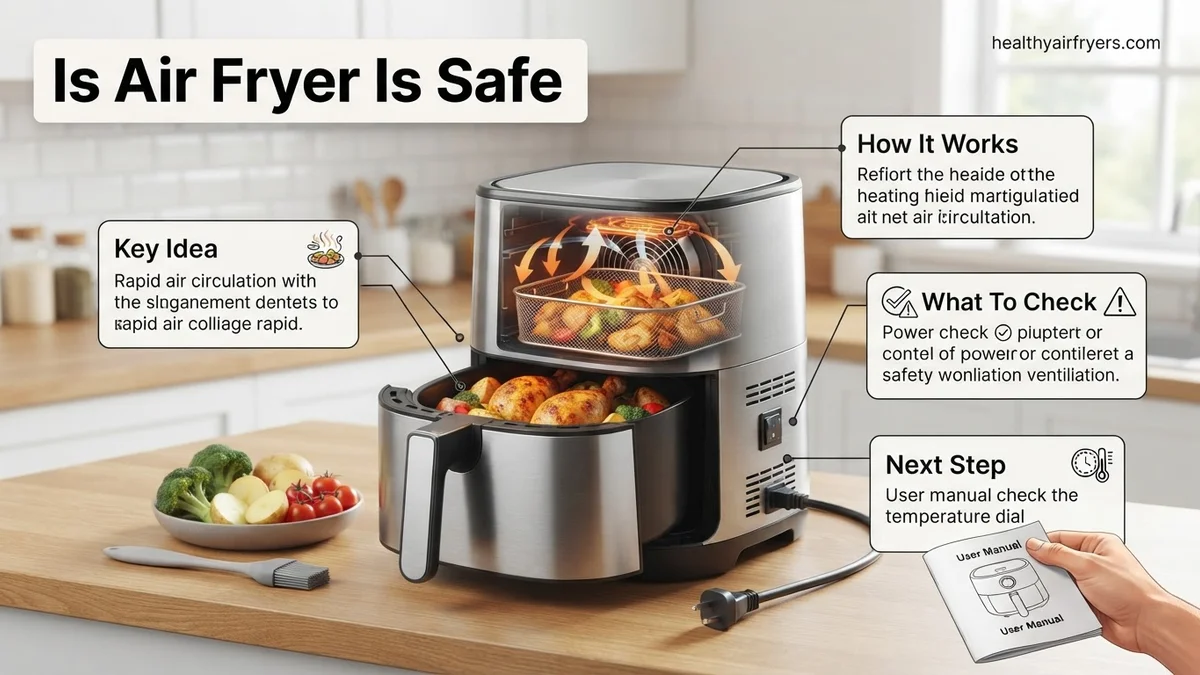
Air fryers are generally safe to use for daily cooking in 2026, posing no unique radiation or hidden cancer risks compared to standard convection ovens. Because they cook by circulating hot air rapidly around your food, they avoid the dangerous oil splatters and fire hazards associated with traditional deep-fat fryers.
However, safety concerns around non-stick coatings, chemical leaching, and acrylamide formation still require your attention. Understanding how these countertop appliances work and where potential hazards hide ensures you can cook your favorite meals without putting your health at risk.
Key Takeaways
- Air fryers significantly reduce dietary fat compared to traditional deep frying.
- Modern air fryers are free from harmful PFOA chemicals.
- Inspect non-stick baskets regularly and replace them if scratched.
- Avoid overcrowding the basket to prevent uneven cooking and smoke.
- Clean the appliance after every use to prevent grease buildup and fire hazards.
What Causes Safety Concerns and Health Risks in Air Fryers
Non-Stick Coatings and Chemical Leaching
Most modern air fryer baskets feature a non-stick coating to prevent food from sticking. Historically, these coatings contained PFOA, a toxic chemical linked to various health issues. While PFOA has been banned globally for years, current 2026 models often use PTFE or ceramic alternatives.
The primary hazard arises when you overheat an empty air fryer basket. If temperatures exceed 500 degrees Fahrenheit (260 degrees Celsius), PTFE coatings can begin to break down and release toxic polymer fumes. Breathing these fumes can cause polymer fume fever, a temporary flu-like condition. Scratched baskets can also flake small particles into your food, though ingesting minor amounts is generally considered non-toxic by health agencies.
Acrylamide and Cooking Byproducts
High-heat cooking methods often trigger the Maillard reaction, which browns food but can also produce acrylamide. Acrylamide is a chemical compound classified as a potential human carcinogen, frequently found in starchy foods like french fries and potato chips cooked at high temperatures.
Air frying significantly reduces total fat content, but it does not completely eliminate acrylamide formation. In fact, overcooking or charring starchy foods in an air fryer can still produce elevated levels of this chemical. Balancing cook times and avoiding burnt edges remains crucial for minimizing dietary exposure.
How to Fix and Prevent Toxicity, Chemicals, and Fire Hazards
Safe Usage Habits for Daily Cooking
Protecting yourself from air fryer hazards requires simple operational adjustments. Never preheat your air fryer empty for extended periods, as this rapidly spikes the internal temperature and stresses the non-stick coating. Always place food inside before turning on the heating element.
Implement these practices to keep your kitchen safe in 2026:
- Inspect your baskets: Replace your air fryer basket immediately if the non-stick coating begins to flake, peel, or show deep scratches.
- Use wooden or silicone tools: Avoid metal utensils, forks, or abrasive scouring pads that permanently damage the interior coating.
- Monitor cooking temperatures: Keep your cooking temperatures under 400 degrees Fahrenheit unless the manufacturer specifically approves higher heat settings.
Preventing Fire and Electrical Hazards
Electrical safety and fire prevention are major concerns with high-wattage kitchen appliances. Air fryers draw significant electrical current, meaning plugging them into overloaded extension cords or multi-outlet adapters can cause overheating, melted plastic, or electrical fires.
Always plug your air fryer directly into a grounded wall outlet. Leave at least five inches of clearance around the back and sides of the unit to allow proper ventilation. Regularly clean the grease trap and bottom of the basket, as accumulated oil drippings are the primary fuel source for unexpected kitchen flare-ups.
Step-by-Step Guide to Safe Daily Air Fryer Operation
Operating your appliance correctly minimizes risks related to chemical leaching and electrical failure. Food safety authorities emphasize proper preheating and ventilation to maintain indoor air quality during high-heat cooking.
1. Preheating and Ventilation
Always preheat your air fryer for three to five minutes before adding food to reduce total cooking time. Ensure the appliance sits at least five inches away from walls and backsplashes to prevent heat damage to your kitchen surfaces. Proper clearance also allows the exhaust vent to release steam and smoke safely without triggering household smoke alarms.
2. Basket Loading and Coating
Never overcrowd the cooking basket, as restricted airflow leads to uneven heating and prolonged cooking cycles. Avoid using aerosol cooking sprays directly on non-stick baskets, because propellant chemicals degrade PTFE coatings prematurely. Instead, use a refillable oil mister with high-smoke-point oils like avocado or grapeseed oil.
- Place the air fryer on a stable, heat-resistant, and level countertop surface.
- Plug the power cord directly into a wall outlet without using extension cords or overloaded power strips.
- Preheat the unit according to the manufacturer guidelines for your specific model type.
- Add food in a single layer to ensure maximum hot-air circulation and even internal temperature reach.
- Unplug the unit immediately after use and allow it to cool completely before starting the cleaning process.
What If Your Air Fryer Still Smells or Shows Damage
Persistent chemical odors or visible wear require immediate troubleshooting to prevent potential safety hazards or electrical malfunctions. If standard cleaning and burnout cycles fail to eliminate unusual plastic smells or smoke, underlying component failure is often the root cause.
1. Inspecting Heating Elements and Wiring
Unplug the appliance and inspect the interior ceiling where grease splatters frequently accumulate on exposed heating coils. Residue buildup on these coils burns continuously during operation, creating acrid smoke and unpleasant odors that taint food flavor profiles.
- Perform a deep cleaning cycle using a paste of baking soda and water to scrub stubborn grease off the interior heating element guard.
- Check the power cord for fraying, exposed copper wires, or melting around the plug prongs, which indicates dangerous electrical resistance.
- Examine the non-stick coating for deep scratches, flaking, or blistering that exposes the underlying base metal.
- Contact the manufacturer customer service department if structural damage or persistent electrical faults occur within the warranty period.
- Replace the appliance if repair estimates exceed fifty percent of a new unit cost, with replacement models typically ranging from sixty to one hundred fifty dollars.
Conclusion
Ensuring your air fryer remains safe to use involves vigilant daily operation, proper chemical-free cleaning routines, and timely replacement of damaged non-stick baskets. According to verified research and consumer product safety experts, maintaining proper electrical clearance and avoiding damaged coatings eliminates virtually all health risks associated with modern countertop convection cooking. Take action today by inspecting your appliance power cord and non-stick interior surfaces for signs of wear before your next meal preparation.
❓ Frequently Asked Questions
Are air fryer non-stick coatings dangerous to health?
Most air fryers use a polytetrafluoroethylene (PTFE) coating to prevent food from sticking. While safe at normal cooking temperatures, heating these coatings above 400°F to 500°F can cause them to break down and release polymer fumes. Always operate your air fryer within recommended temperature limits and discard baskets with peeling or deep scratches.
Do air fryers produce acrylamide like traditional frying?
Acrylamide is a chemical compound that can form in starchy foods when cooked at high temperatures. Because air fryers use rapid air circulation requiring little to no oil, they actually reduce acrylamide formation by up to 90% compared to traditional deep-fat frying methods.
Do air fryers emit electromagnetic fields (EMF) or radiation?
Air fryers do not emit harmful ionizing radiation. They operate similarly to a small convection oven, using a heating element and a fan to circulate hot air. While they do produce low-level electromagnetic fields (EMF) while running, these levels are well within safety limits and pose no health risk.
What should I do if my air fryer smells like burning plastic?
A slight plastic odor is common during the first few uses of a brand-new air fryer due to manufacturing residue burning off. However, if an older air fryer smells like burning plastic, stop using it immediately, as this indicates exposed wiring, overheating, or melting internal components that require professional repair.
How can I clean my air fryer safely to prevent damage?
Always unplug your air fryer and let it cool completely before cleaning. Use a soft sponge, warm water, and mild dish soap to wash the basket and tray, avoiding abrasive metal scouring pads that strip the non-stick coating. Ensure the unit is completely dry before plugging it back in.
Is it safe to use aluminum foil or parchment paper in an air fryer?
Yes, but you must follow safety precautions. Always ensure the foil or parchment paper is weighted down by food so it does not get sucked into the heating element, which can cause a fire. Never cover the entire bottom mesh or basket holes completely, as this blocks proper airflow.