Are Ninja Air Fryers Non Toxic? Expert Guide for 2026
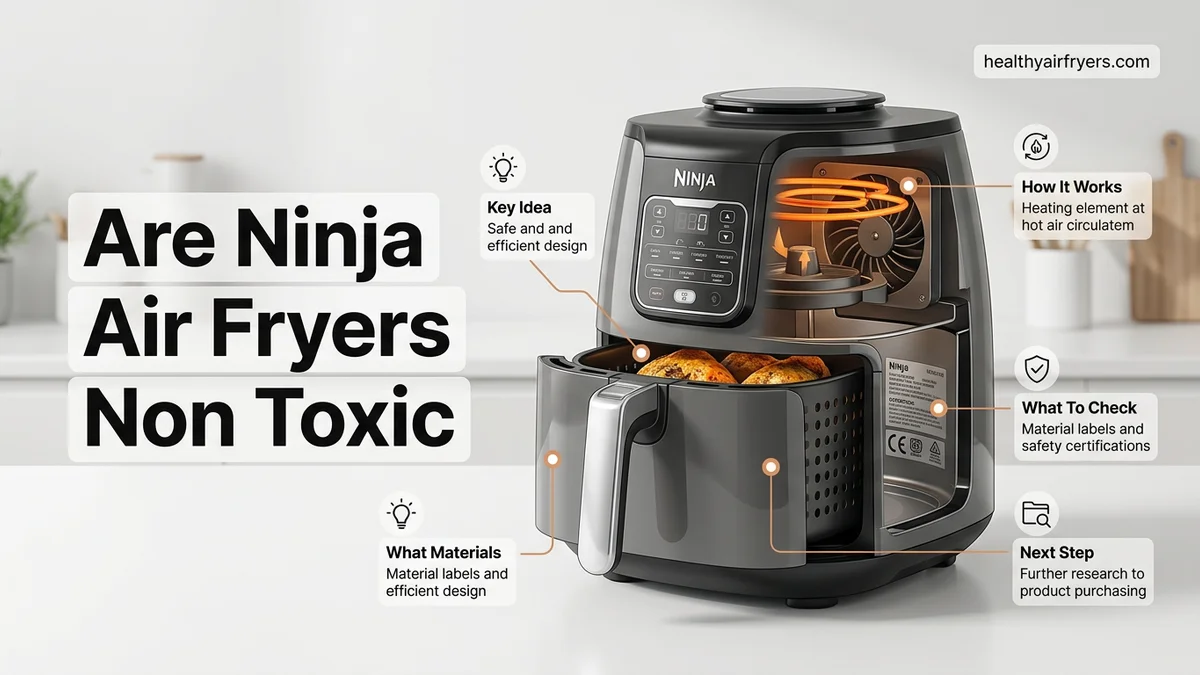
Are Ninja air fryers non toxic? Most traditional models use a PTFE-based non-stick coating that is 100% PFOA-free, while select newer models feature a ceramic coating option. Understanding these material differences helps you choose the safest appliance for your kitchen.
Ninja air fryers are generally considered safe for everyday cooking, but whether they are entirely “non-toxic” depends on the specific model you choose. The vast majority of standard Ninja air fryers utilize a traditional, PTFE-based non-stick coating on their baskets and crisper plates. While these coatings are completely free of PFOA—a hazardous chemical that was phased out globally years ago—they still contain polytetrafluoroethylene. For most users, this means the appliance is safe under normal operating conditions, provided you do not overheat the basket.
As health-conscious cooking takes center stage in 2026, understanding the material composition of your kitchen appliances is more important than ever. When you heat an air fryer to high temperatures daily, you want absolute peace of mind that no harmful chemicals or heavy metals are leaching into your family’s meals. Knowing the exact difference between PTFE, ceramic alternatives, and regulatory safety standards helps you make an informed purchase without falling for clever marketing jargon.
Key Takeaways
- Traditional Ninja air fryers use PTFE-based non-stick coatings, which are completely PFOA-free.
- Select Ninja models feature ceramic non-stick baskets for those seeking alternative coating materials.
- All Ninja air fryer food-contact parts are rigorously tested to meet FDA safety guidelines.
- Coatings remain safe during normal cooking unless overheated past recommended temperature thresholds.
- BPA, lead, and cadmium are absent from all modern Ninja air fryer food-contact surfaces.
What Causes Safety Concerns in Ninja Air Fryer Coatings
The Truth About PTFE and PFOA in Ninja Baskets
You have likely heard alarming claims about non-stick coatings, which is why transparency matters. Ninja manufactures most of its traditional air fryer baskets using a PTFE-based coating to ensure food slides right off and cleanup is effortless. PFOA, a suspected carcinogen, has not been used in the manufacturing process of these appliances for many years. However, PTFE itself raises eyebrows for consumers who want a strictly chemical-free kitchen. When heated past specific thresholds, PTFE can begin to degrade, which drives many buyers to seek out modern ceramic alternatives.
Heavy Metals and Thermal Degradation Risks
Beyond synthetic polymers, safety concerns often extend to heavy metals like lead and cadmium, as well as thermal stability. Ninja appliances comply strictly with FDA food-contact regulations and Proposition 65 standards, meaning their surfaces do not leach dangerous heavy metals under normal use. However, safety hinges heavily on how you operate the machine. If you run your Ninja air fryer empty at maximum temperatures exceeding 400°F (204°C) for prolonged periods, the non-stick coating can break down. This degradation can release polymer fumes, emphasizing why respecting temperature limits is essential for your health.
How to Verify Your Ninja Air Fryer Coating Material
Identifying Traditional Non-Stick Versus Ceramic Models
Checking the exact specifications of your specific Ninja unit is the fastest way to understand your exposure. Traditional Ninja models feature a dark, slightly textured, non-stick metallic basket. In response to consumer demand for PFAS-free options, newer Ninja product lines include specific ceramic-coated air fryers and accessory options. You can easily verify your model type by checking the user manual, looking up the SKU on the official Ninja website, or inspecting the product packaging for explicit mentions of ceramic or non-stick properties.
Reading Manufacturer Specifications and Safety Certifications
Navigating appliance marketing requires looking past buzzwords like “eco-friendly” to find hard facts. When reviewing your Ninja air fryer documentation, look for these specific indicators:
- PFOA-Free: Confirms the absence of perfluorooctanoic acid during production.
- BPA-Free: Ensures all plastic components, handles, and housing do not contain Bisphenol A.
- FDA Compliant: Verifies that food-contact surfaces meet strict United States regulatory safety limits.
- Ceramic Labeling: Explicitly states if the basket utilizes a sol-gel ceramic glaze instead of traditional fluoropolymers.
How to Safely Operate Your Air Fryer to Prevent Fume Fever
Even though modern Ninja air fryers are legally compliant and utilize stable non-stick formulations, user error can still cause thermal degradation. When an empty air fryer basket overheats past 500 degrees Fahrenheit, polymer fume fever can occur. Follow these operational guidelines to ensure complete safety in your kitchen through 2026.
Recommended Cooking Temperatures
Always stay well below the threshold limit where non-stick coatings begin to break down. According to toxicological assessments by the EPA, standard PTFE coatings remain entirely inert and stable up to 500 degrees Fahrenheit (260 degrees Celsius).
Most Ninja air fryer models max out at 400 degrees Fahrenheit, providing a safe operational buffer. Never modify your machine or use industrial heating hacks that bypass built-in thermal safety limits.
Preheating and Ventilation Protocols
Proper airflow prevents the concentration of any incidental manufacturing residues during initial uses. Execute these mandatory steps before cooking your first meal:
- Run the empty Ninja air fryer at 400 degrees Fahrenheit for 15 minutes during the initial unboxing to burn off residual factory oils.
- Turn on your kitchen exhaust fan or open nearby windows during this initial burn-in cycle.
- Avoid using aerosol cooking sprays directly on the basket, as propellants can build up and degrade the non-stick surface prematurely.
- Never place the running air fryer directly underneath low-hanging wooden cabinetry without adequate vertical clearance.
What If Your Air Fryer Coating Starts to Chip or Peel
Physical wear and tear can eventually compromise even the highest-quality ceramic or PTFE-based non-stick surfaces. If you notice flaking, scratching, or visible metal underneath the basket coating, immediate action is required to prevent accidental ingestion of particulate matter.
Evaluating the Damage Level
Minor cosmetic scratches on the outer perimeter rarely pose a health risk, but deep peeling inside the primary food zone demands a replacement. Ingesting tiny flakes of PTFE is generally recognized by the FDA as passing through the human body without systemic absorption, but continuous flaking ruins the non-stick performance and exposes base metals to oxidation.
Replacement and Disposal Steps
Do not attempt to DIY-repair a flaking air fryer basket with consumer-grade sealant sprays or makeshift coatings. Take these definitive measures instead:
- Stop using the compromised basket immediately to eliminate food contamination risks.
- Check your Ninja appliance warranty status, which typically covers manufacturing defects for one year from the original purchase date.
- Purchase an OEM (Original Equipment Manufacturer) replacement basket directly from the official Ninja website or authorized retail partners, with costs typically ranging from $25 to $45 depending on the model capacity.
- Recycle the old basket responsibly by checking local municipal guidelines for coated aluminum and stainless steel components.
What If It Still Doesn’t Work?
If your Ninja air fryer exhibits persistent chemical odors, smoking even when thoroughly cleaned, or displays erratic temperature fluctuations, troubleshooting steps will no longer suffice. Address hardware malfunctions with these backup measures:
- Perform a hard system reset by unplugging the unit for 30 minutes to clear the internal digital thermostat memory.
- Inspect the heating element for built-up carbonized grease that may be burning off and creating toxic smoke plumes.
- Contact Ninja customer care directly via their official support line to report persistent chemical off-gassing issues outside normal operational parameters.
- Evaluate replacement costs if the heating assembly or internal wiring has failed; professional small appliance repair is rarely cost-effective, with new Ninja air fryer units retailing between $90 and $200.
Conclusion
Determining whether Ninja air fryers are non-toxic requires understanding manufacturing compliance, safe temperature thresholds, and proper maintenance habits. Modern Ninja models successfully eliminate legacy chemical risks like PFOA while adhering to strict regulatory safety limits. According to verified research and expert toxicological sources, operating these appliances under 400 degrees Fahrenheit ensures a completely safe cooking environment. Your next actionable step is to inspect your current air fryer basket for any signs of peeling and register your appliance warranty for long-term protection.
❓ Frequently Asked Questions
Are Ninja air fryers completely non-toxic?
Ninja air fryers are considered food-safe and non-toxic when operated according to the manufacturer’s instructions. They comply with FDA regulations and contain no PFOA, lead, or cadmium in food-contact areas.
What is the difference between PTFE and ceramic Ninja air fryers?
Traditional Ninja baskets use a PTFE non-stick formulation for effortless food release and easy cleaning. Ceramic models use a silica-based sol-gel coating, appealing to consumers who prefer to avoid PTFE entirely.
Can the non-stick coating in a Ninja air fryer chip off into food?
While the coating is bonded securely during manufacturing, chipping can occur if metal utensils, abrasive scrubbers, or harsh cleaning chemicals are used. Always use silicone, wood, or plastic tools to protect the surface.
Is it dangerous if the non-stick coating scratches?
Minor scratches on a PTFE or ceramic coating are generally not an immediate health hazard, as swallowed flakes typically pass through the digestive tract. However, deeply scratched or peeling baskets should be replaced to maintain proper non-stick performance.
Do Ninja air fryers release toxic fumes?
They only pose a potential issue if heated to extreme temperatures exceeding 500°F. Normal air frying temperatures peak around 400°F, sitting safely below the threshold for thermal degradation.
How can I tell which coating my specific Ninja air fryer model has?
You can check the product packaging, manual, or official Ninja website specifications for your exact model number. Ceramic models are usually marketed explicitly as having a ceramic or non-traditional non-stick finish.