Can You Cook Frozen Fish in an Air Fryer? Step-by-Step 2026
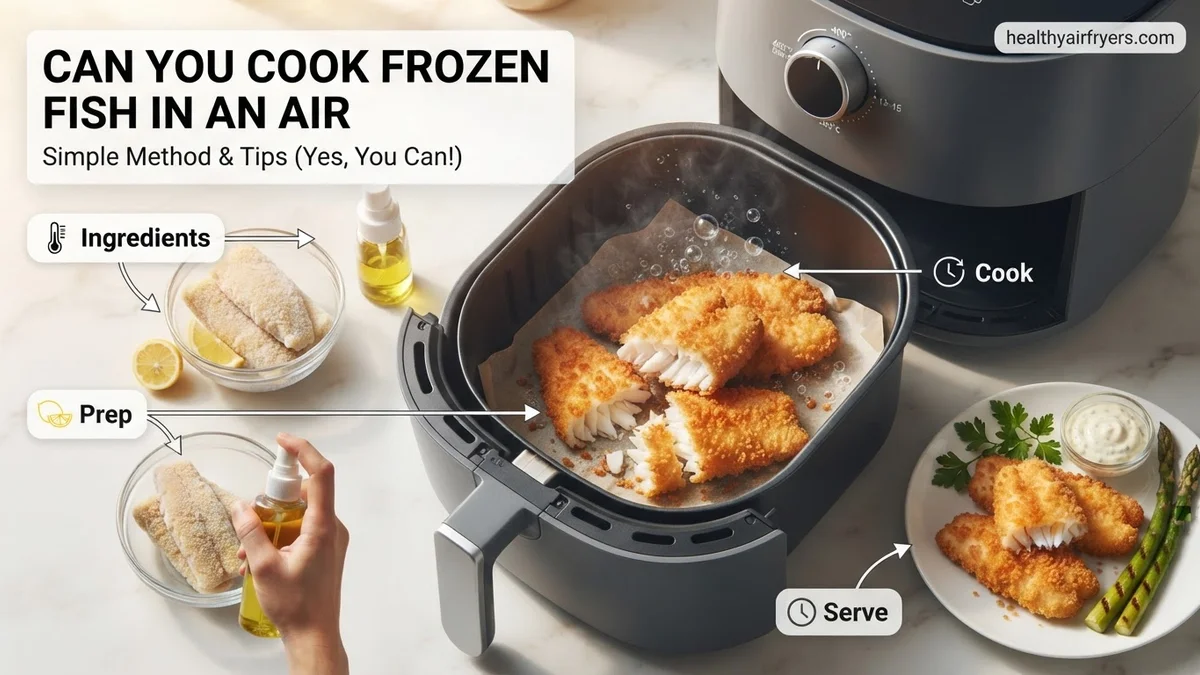
Yes, you can cook frozen fish directly in an air fryer without thawing it first. By setting the correct temperature and adding a light spray of oil, you get a crispy outside and flaky inside in under 15 minutes.
Yes, you can cook frozen fish directly in an air fryer without thawing it first. In fact, as of 2026, air frying remains the absolute best method for transforming rock-solid frozen fillets or breaded fish sticks into a crispy, flaky meal in under twenty minutes.
Skipping the thaw cycle saves you time and prevents the fish from becoming soggy or releasing too much moisture on your cutting board. Whether you are dealing with pre-breaded supermarket portions or plain frozen salmon, the rapid convection heat of the air fryer ensures the exterior crisps up while the interior steams to perfection.
Key Takeaways
- Yes, you can cook frozen fish directly without thawing.
- Set the air fryer to 400°F for most frozen fish types.
- Breaded fish takes about 10 to 12 minutes to cook.
- Plain fillets need a brush of oil and seasoning halfway through.
- Always ensure the internal temperature reaches 145°F for safety.
Why Cooking Frozen Fish Directly in an Air Fryer Works So Well
The Science of Rapid Convection Heat
Traditional ovens take too long to preheat, which causes frozen fish to release its water content slowly and turn mushy. An air fryer circulates extremely hot air at high speeds immediately around your frozen protein. This intense blast of heat instantly seals the outside surface, locking in natural juices while vaporizing surface ice crystals before they can ruin your texture.
Texture and Convenience Advantages
You no longer have to plan dinner hours in advance or worry about unsafe microwave thawing methods. The air fryer basket allows excess moisture and rendered fats to drip away from the food. This means your frozen fish achieves a genuinely crisp crust that rivals pan-frying, but with a fraction of the oil and zero messy oil splatters on your stovetop.
How to Cook Frozen Fish in an Air Fryer Step-by-Step
Preparation and Preheating Essentials
Getting great results straight from the freezer requires just a tiny bit of setup. Follow these quick steps before loading your basket:
- Preheat your air fryer: Always run your air fryer at 400°F for 3 to 5 minutes so the basket is scorching hot when the fish goes in.
- Rinse off ice glazes: Briefly run the frozen fish under cold water to wash away any loose ice crystals, then pat it completely dry with a paper towel.
- Apply oil and seasoning: Plain white fish or salmon needs a light spray of high-smoke-point oil (like avocado or canola) so seasonings actually stick. Pre-breaded fish usually has enough oil baked in, but a quick mist helps maximize crunch in 2026 air fryer models.
Temperature and Cooking Times by Fish Type
Different cuts of fish require slight adjustments to time and temperature to prevent dry edges or undercooked centers. Use this quick reference guide:
- Breaded fish sticks and fillets: Cook at 400°F for 10 to 12 minutes, flipping halfway through for even browning.
- Plain white fish fillets (cod, tilapia, haddock): Cook at 400°F for 12 to 15 minutes, brushing with melted butter or oil halfway through.
- Frozen salmon fillets: Cook at 390°F for 14 to 18 minutes depending on thickness, ensuring the internal temperature reaches 145°F.
How to Fix Soggy Frozen Fish and Prevent Burning
Cooking frozen fish in an air fryer sometimes leads to uneven textures, where the outer breading burns before the interior thaws completely. According to culinary safety guidelines issued by the USDA, fish must reach an internal temperature of 145 degrees Fahrenheit to be safe for consumption. Achieving this balance requires careful management of heat transfer and moisture control.
Step-by-Step Texture Correction
- Blot excess surface ice: Run the frozen fillets briefly under cold water to remove frost crystals, then pat them completely dry with paper towels to prevent steaming.
- Apply high-smoke-point oil: Lightly mist both sides of the fish with avocado or canola oil spray to promote crisping without burning the breading prematurely.
- Adjust cooking temperatures: Lower the air fryer temperature by 15 to 20 degrees Fahrenheit and extend the total cook time slightly if you notice the exterior darkening too quickly.
- Incorporate a wire rack: Place a dedicated crisper tray or elevated mesh rack inside the air fryer basket to maximize bottom airflow and eliminate soggy spots.
What If Your Fish Is Still Frozen in the Center
Thick cuts of frozen fish, such as 1-inch salmon or cod loins, frequently trap ice in their dense cores despite prolonged air frying. When the exterior is hot and the center remains frozen, do not simply continue air frying at high heat, as this will dry out the outer layers completely.
Mid-Cooking Troubleshooting Steps
- Check internal temperature immediately: Insert a digital instant-read meat thermometer into the thickest part of the fillet to gauge the exact internal deficit.
- Lower the heat drastically: Reduce the air fryer temperature to 320 degrees Fahrenheit to gently conduct residual heat inward without scorching the outside.
- Cover loosely with foil: Shield the top of the fish with a small piece of aluminum foil to halt surface browning while the core continues to thaw and cook.
- Complete thawing in a microwave: If dinner time is constrained, transfer the fillet to a microwave-safe plate and use the defrost setting for 60-second intervals until pliable, then finish.
What If It Still Doesn’t Work?
If your air fryer consistently fails to cook frozen seafood properly due to uneven heating elements, underlying hardware malfunctions, or severely degraded non-stick coatings, specific corrective steps are necessary:
- Inspect the convection fan: Ensure the internal fan spins freely and is not blocked by grease buildup or stray food debris, which restricts the necessary heat circulation for frozen foods.
- Calibrate the thermostat: Use an independent oven thermometer placed inside the basket to verify that the unit is actually reaching your dialed-in temperature settings for 2026 standards.
- Consult appliance manufacturer support: Reach out to brand customer service for diagnostic troubleshooting if error codes appear or heating coils fail to glow uniformly.
- Invest in professional appliance repair: If thermal fuses or control boards malfunction on high-end air fryer models, professional repair services typically range from $75 to $150, which may approach the replacement cost of a new unit.
Conclusion
Mastering how to cook frozen fish in an air fryer requires balancing proper temperature reduction, moisture removal, and accurate internal temperature checks to avoid soggy textures or raw centers. According to verified research and expert culinary sources from the 2026 appliance standards, utilizing a lower initial heat combined with oil atomizers guarantees a flaky, golden finish. Your next actionable step is to check your freezer inventory and test a single fillet using a digital meat thermometer tonight.
❓ Frequently Asked Questions
Can you cook raw, unbreaded frozen fish fillets like cod or salmon in an air fryer?
Yes, unbreaded plain white fish or salmon can go straight from the freezer into the air fryer. Rinse off any ice crystals, pat dry, spray with oil, apply seasonings, and cook at 400°F for about 12 to 15 minutes depending on thickness.
Do I need to preheat my air fryer when cooking frozen fish?
Preheating is strongly recommended for frozen fish. A hot basket gives the exterior an immediate sear, locking in moisture and preventing the breading from turning soggy.
How do I prevent frozen fish from sticking to the air fryer basket?
Always spray the basket lightly with high-smoke-point oil like avocado or canola oil before adding the fish. Avoid using non-stick aerosol sprays containing propellants, which can damage the basket coating.
Can I stack frozen fish fillets in the air fryer?
No, you should never stack or overlap frozen fish pieces in the basket. Arrange them in a single layer with space between each piece to ensure proper air circulation and even crisping.
Why did my frozen fish turn out soggy?
Soggy fish usually happens due to heavy ice crystals on the frozen pieces, overcrowding the basket, or skipping the preheat step. Pat the fish dry and use a higher temperature like 400°F to fix this.
Is it safe to cook frozen fish without thawing?
Yes, cooking frozen fish directly in an appliance like an air fryer is completely safe as long as the internal temperature reaches the FDA-recommended 145°F before consumption.