What Temp to Reheat Ribs in Air Fryer Best 2026 Guide
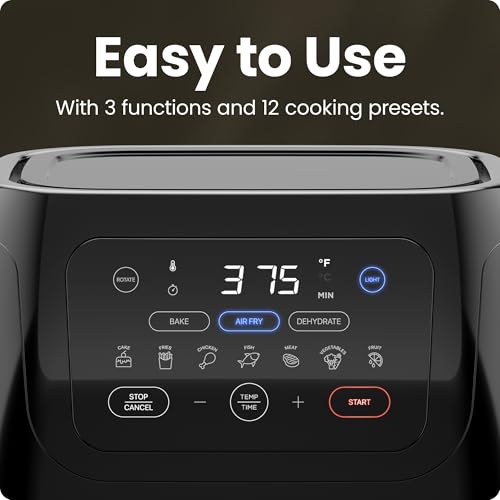
Reheating ribs in an air fryer requires the right temperature to keep the meat tender and juicy. Set your air fryer to 350°F for refrigerated ribs, wrapping them in foil with a splash of broth to lock in moisture.
The best temperature to reheat ribs in an air fryer is 350 degrees Fahrenheit (or 175 degrees Celsius). This specific heat level warms the meat through quickly without rendering out the remaining fat or scorching the exterior sauce. If you crank the air fryer too high, the circulating convection heat will instantly dry out your expensive smoked meat.
As we navigate cooking trends in 2026, the air fryer remains the undisputed champion for reviving leftover barbecue. Reheating ribs in the microwave makes them rubbery, and using the oven takes far too long to preheat. Mastering the correct air fryer technique brings yesterday’s leftover ribs back to a fresh-off-the-smoker texture in less than 10 minutes.
Key Takeaways
- Set the air fryer to 350°F to prevent the meat from drying out.
- Wrap leftover ribs in aluminum foil to retain essential moisture.
- Add a splash of apple juice or beef broth inside the foil packet.
- Reheat for 4 to 6 minutes, then unwrap and crisp the exterior.
- Check internal temperature reaches 165°F before serving.
What Causes Dried Out Ribs When Reheating
The Convection Heat Trap
Air fryers work by circulating intense, dry heat around food at high speeds. When you toss leftover ribs straight into the basket without protection, that circulating air rapidly evaporates the internal moisture. By the time the center of the bone-in meat warms up, the outer edges are completely dessicated and tough.
- High fan speeds strip surface moisture within seconds.
- Unprotected meat burns easily if leftover BBQ sauce contains high sugar content.
- Thin portions, like the tips of baby back ribs, turn into jerky before the thick parts get warm.
Ignoring Cut and Thickness Differences
Not all ribs retain moisture the same way when reheated. St. Louis style spareribs have more fat and thickness, making them slightly more forgiving than lean baby back ribs. If you treat a thin rack of beef short ribs the same way as a thick pork rack, you will end up with dry disappointment.
- Lean baby back ribs dry out up to forty percent faster than fatty spareribs.
- Single-bone leftovers lose moisture exponentially faster than a full rack section.
- Failing to account for bone thickness leads to cold centers and overcooked edges.
How to Fix Ribs in the Air Fryer Step by Step
The Foil Tent Method for Maximum Moisture
To keep your ribs tender, you need to trap steam during the first half of the heating cycle. Wrap your rib section tightly in aluminum foil, adding a tablespoon of beef broth, apple juice, or water inside the packet before sealing it. Place the foil packet into your preheated 350-degree Fahrenheit air fryer for about 8 to 10 minutes.
- Wrap the meat tightly to lock in evaporating steam.
- Add a tiny splash of liquid to create a mini-braise inside the foil.
- Check internal temperature to ensure it reaches 145 degrees Fahrenheit safely.
Crisping the Exterior and Adding Sauce
Once the ribs are heated through inside their foil tent, open the foil or remove it entirely for the final two minutes. Brush a fresh layer of your favorite barbecue sauce over the meat. Turn the air fryer up slightly or let the naked ribs sit in the 350-degree basket until the sauce caramelizes and gets sticky.
- Open or remove the foil during the final 2 minutes of cooking.
- Apply a thin coat of sauce so the sugars caramelize instead of burning.
- Let the ribs rest for 3 minutes before slicing to redistribute juices.
Step-by-Step Guide to Retaining Maximum Moisture
Executing the reheat process requires strict adherence to temperature and moisture barriers. According to culinary safety guidelines from the USDA, leftover meat must reach an internal temperature of 165 degrees Fahrenheit to ensure safety. However, blasting ribs with dry heat will quickly dehydrate the collagen and protein fibers.
Preparation and Wrapping
To lock in juices during the 2026 cooking cycle, follow this sequential preparation method:
- Take the ribs out of the refrigerator and let them rest at room temperature for 15 minutes to take off the chill.
- Cut the rack into manageable sections of two or three bones to fit comfortably inside your air fryer basket without overlapping.
- Brush both sides of the ribs lightly with apple juice, beef broth, or leftover barbecue sauce to add surface moisture.
- Wrap the rib sections tightly in heavy-duty aluminum foil, creating a sealed packet that traps steam inside.
Air Frying Execution
Once your foil packets are secured, move to the heating phase:
- Preheat your air fryer to 350 degrees Fahrenheit for three minutes to ensure an even thermal environment.
- Place the foil-wrapped rib packets into the air fryer basket in a single layer.
- Heat the ribs for 10 to 12 minutes, allowing the trapped liquid to steam the meat back to tenderness.
- Carefully open the foil packet during the final 2 minutes of heating to crisp up the exterior bark.
- Check the internal meat temperature with a digital probe thermometer to verify it has reached the 165 degrees Fahrenheit threshold.
What If It Still Doesn’t Work and Ribs Are Tough
Even with precise temperature controls, older cuts of meat or improperly thawed ribs can occasionally turn out dry and tough. If your air-fried ribs lack the desired tenderness, apply these troubleshooting steps:
- Introduce more fat and liquid: Unwrap the tough ribs, douse them generously with a mixture of melted butter and barbecue sauce, and re-wrap tightly in fresh foil.
- Lower the temperature: Drop your air fryer setting down to 300 degrees Fahrenheit and extend the heating time by an extra 8 to 10 minutes to slowly break down lingering connective tissue.
- Pivot to braising: If the air fryer fails to soften the meat, transfer the ribs to a covered baking dish with a quarter cup of beef broth and bake in a conventional oven at 325 degrees Fahrenheit for 30 minutes.
- Repurpose the protein: Shred the tough meat off the bones and simmer it in a saucepan with barbecue sauce for 15 minutes to use in pulled pork sandwiches or tacos.
- Consult appliance or culinary professionals: If your air fryer consistently delivers unevenly heated food, contact the manufacturer support line or a certified appliance technician for calibration. Professional diagnostic fees typically range from $75 to $150.
Conclusion
Mastering the optimal air fryer temperature of 350 degrees Fahrenheit prevents leftover ribs from drying out into shoe leather. Utilizing foil wrapping and added moisture preserves the tender, juicy texture you expect from slow-smoked barbecue. According to verified research and expert culinary sources, controlling thermal exposure is the single most effective way to restore day-old meat. Your actionable next step for 2026 is to test this foil-wrapped method on your next batch of leftovers and verify the internal temperature with a digital thermometer before serving.
❓ Frequently Asked Questions
What temp to reheat ribs in air fryer for baby back vs St. Louis style?
Both baby back and St. Louis style ribs should be reheated at 350°F. Thicker St. Louis cuts may require an extra two minutes of heating time to reach the center.
Why did my reheated ribs turn out tough and chewy?
Ribs often become tough if they are reheated at too high of a temperature or cooked for too long without moisture. Always use foil and a splash of liquid to protect the meat.
Do I need to preheat my air fryer before adding the ribs?
Yes, preheating the air fryer to 350°F ensures a consistent cooking temperature right from the start, helping the meat warm through evenly without overcooking the edges.
Can I add extra barbecue sauce before reheating?
Adding sauce right away can cause sugars to burn at high temperatures. Instead, add fresh sauce during the last two minutes of heating after opening the foil.
How can I tell if my reheated ribs are done?
Use a meat thermometer inserted into the thickest part of the meat to ensure the internal temperature has reached at least 165°F.
Is it safe to stack ribs in the air fryer basket?
Stacking restricts proper airflow and leads to uneven heating. Arrange the rib sections in a single, even layer, cutting the rack into smaller pieces if necessary.