Do You Have to Preheat a Ninja Air Fryer 2026 Expert Guide
No, you do not strictly have to preheat a Ninja air fryer for every meal, but doing so provides the best crispiness for meats and frozen foods. Skipping the preheat cycle means you will need to add 1 to 3 minutes of cooking time to ensure your food cooks thoroughly.
You do not strictly have to preheat a Ninja air fryer for every meal, but skipping this step will change your cooking results. For foods like frozen convenience snacks or thick cuts of meat, tossing them into a cold basket works just fine if you add a few minutes to the timer. However, if you want a genuinely crispy exterior on breaded items, fresh wings, or delicate pastries, preheating is essential.
By 2026, modern kitchen appliances like the Ninja air fryer lineup have evolved with faster heating elements, yet the basic physics of rapid air circulation remain the same. Knowing when you can skip the preheat cycle saves you time, while knowing when to use it guarantees restaurant-quality texture right at home.
Key Takeaways
- Preheating is recommended by Ninja for optimal crispiness and texture.
- You can skip preheating for leftovers, bulk vegetables, and packaged frozen snacks.
- Add 1 to 3 extra minutes to the total cook time if you skip preheating.
- Models with a dedicated preheat button make the cycle automatic.
- Manual preheating simply requires running the air fryer empty at the target temperature for 3 minutes.
Why Preheating Matters for Ninja Air Fryer Performance
Understanding how your Ninja air fryer handles heat helps you decide whether to wait for the preheat cycle to finish. Air fryers cook by circulating intensely hot air around food, creating a Maillard reaction that browns and crisps the surface.
When Preheating Is Necessary
- Crispy breaded foods: Items coated in breadcrumbs, batter, or flour need an immediate blast of heat to set the crust before it absorbs excess oil and gets soggy.
- Quick-cooking items: Thin chicken cutlets, shrimp, and vegetables that cook in under 10 minutes rely on a hot basket to start searing instantly.
- Baking and pastries: Cakes, cookies, and biscuits require a stable, hot environment to rise correctly and achieve the right texture.
When You Can Skip Preheating
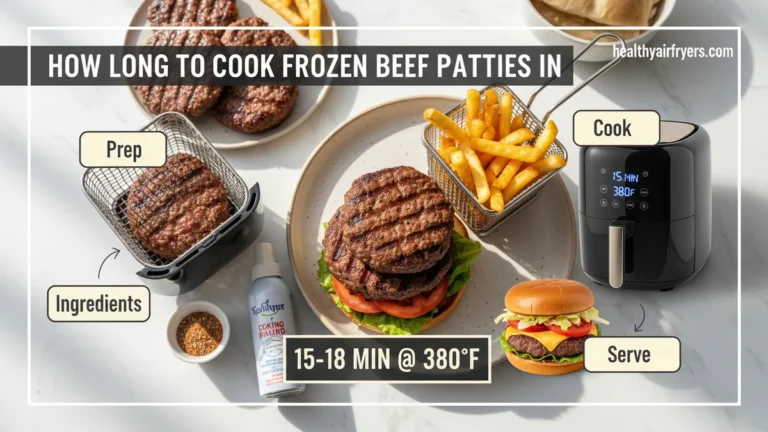
- Frozen convenience foods: French fries, chicken nuggets, and mozzarella sticks are engineered to handle a gradual temperature rise. Simply add 3 to 4 minutes to your total cooking time.
- Thick cuts of meat: Steaks, thick chicken breasts, and pork chops benefit from a slightly slower start, which prevents the exterior from burning before the center reaches a safe temperature.
- Reheating leftovers: Warming up pizza or yesterday’s takeout does not require a preheated basket.
How to Preheat Your Ninja Air Fryer Using Built-In and Manual Methods
Ninja designs its appliances for convenience, offering dedicated preheat cycles on most digital models alongside simple manual workarounds for units without a specific button. Getting your appliance up to temperature takes only a fraction of the time a traditional oven requires.
Using the Built-In Preheat Function
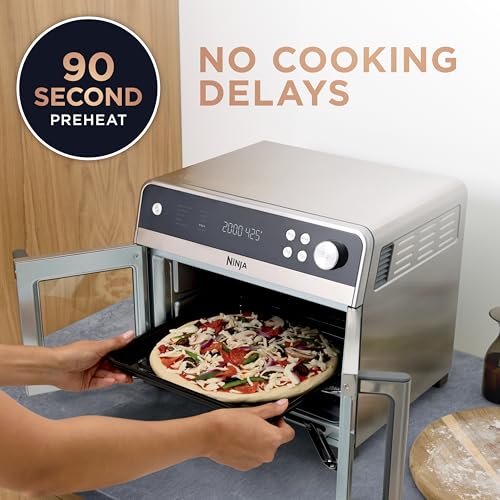
Most modern Ninja digital air fryers feature an automated preheat phase built right into their cooking programs. When you select functions like Air Fry, Roast, or Reheat, the unit automatically initiates a 3-minute preheat cycle.
- Select your desired cooking function using the control panel.
- Adjust the temperature using the arrows to your target setting (for example, 400°F).
- Press the Start/Pause button. The display will show “PrE” while the unit heats up.
- Once the unit reaches the correct temperature, it will beep and display “Add Food.”
- Insert your basket, load your ingredients, and the timer will automatically begin countdown.
Manual Preheating for Older or Simpler Models
If your Ninja model lacks a dedicated preheat setting, or if you are using a dual-zone basket model where you want precise manual control, you can easily replicate the process.
- Turn on your air fryer and set it to your desired cooking temperature.
- Set the manual timer for 3 minutes (or 5 minutes for larger dual-zone models).
- Let the empty basket or crisper plate heat up while the timer runs down.
- When the time expires, pull out the basket, add your food, and reset the timer for the actual recipe duration.
What If Your Food Still Isn’t Crispy Without Preheating
Skipping the preheat cycle on your Ninja air fryer can occasionally leave meals soggy rather than crunchy. Culinary tests show that starting with a cold basket increases total cook times by 20 to 30 percent, which traps moisture inside breaded items. If your non-preheated meals fail to achieve a golden-brown finish, specific adjustments will correct the texture.
Adjusting Cooking Parameters
- Extend the total cooking time by 3 to 5 minutes to compensate for the gradual ramp-up in thermal energy inside the basket.
- Increase the operating temperature by 10 to 15 degrees Fahrenheit to accelerate moisture evaporation on the food surface.
- Apply a light, even mist of high-smoke-point cooking oil, such as avocado or canola, to jump-start the lipid-heat reaction necessary for crisping.
Managing Basket Capacity
- Reduce the volume of food in the basket by 25 percent to ensure optimal airflow around every single piece.
- Pause the cooking cycle halfway through to vigorously shake the basket or flip individual items for uniform heat distribution.
- Remove any overlapping pieces that trap steam and prevent the convection currents from rendering fats properly.
Foods That Require Preheating Versus Foods That Do Not
Maximizing the efficiency of your Ninja air fryer in 2026 requires understanding which ingredients benefit from a hot start. Manufacturer specifications and culinary research indicate that baseline thermal energy plays a massive role in structural integrity and texture development for different food categories.
Foods That Always Require Preheating
- Raw or battered proteins like chicken wings and fish fillets need an instant sear to lock in internal juices and prevent sticking to the crisper plate.
- Delicate pastries, homemade doughs, and frozen baked goods require immediate, high heat to activate rising agents and create a flaky crust.
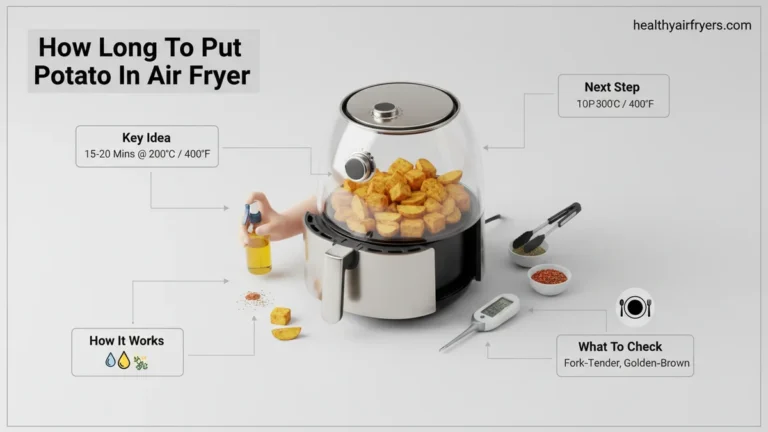
- Starch-heavy items cut fresh from raw potatoes need an aggressive thermal shock to gelatinize surface starches for maximum crispness.
Foods That Do Not Require Preheating
- Pre-cooked and frozen convenience foods, such as chicken nuggets, french fries, and mozzarella sticks, tolerate a cold start exceptionally well.
- Thick cuts of root vegetables like carrots and broccoli florets cook evenly without preheating because their internal moisture evaporates gradually.
- Reheating leftovers like pizza or roasted meats benefits from a cold start to warm the interior without burning the exterior.
What If It Still Doesn’t Work?
If adjusting your cooking time and managing basket capacity fail to produce crispy results, your Ninja air fryer may require technical troubleshooting or hardware replacement. According to appliance repair data for 2026, persistent performance failures typically stem from restricted airflow or heating element degradation. Implement these fallback steps to resolve the issue:
- Inspect the heating coil located at the top of the cooking chamber for grease buildup or carbon residue, which inhibits thermal transfer. Clean the coil thoroughly with a damp microfiber cloth and mild dish soap after the unit has completely cooled.
- Verify that the internal convection fan spins freely and is not obstructed by warped crisper plates or built-up food debris.
- Perform a hard reset by unplugging the air fryer from the wall outlet for ten minutes to clear any electrical glitches in the digital control board.
- Test the internal thermostat accuracy with an independent digital probe thermometer to ensure the appliance reaches its programmed temperature set points.
- Contact Ninja customer support or an authorized appliance repair technician if the heating element fails to glow red during operation. Professional diagnostic fees and thermostat replacements typically range from $45 to $120, depending on your local service market and warranty status.
Conclusion
Deciding whether to preheat your Ninja air fryer depends entirely on the specific ingredients you are cooking and your desired texture. While convenience foods and dense vegetables thrive with a cold start, battered proteins and fresh doughs demand immediate thermal energy for optimal crispness. According to verified research and expert culinary sources, matching your preheating habits to food chemistry eliminates guesswork and guarantees superior culinary results every time. Take the next step by testing a cold start on your favorite frozen snack today, noting the exact time adjustments needed for your specific model.
❓ Frequently Asked Questions
Do you have to preheat a Ninja air fryer every time?
No, you do not need to preheat every time. Foods like leftovers, single portions, and large batches of vegetables often turn out fine when started in a cold basket.
How do I use the preheat function on my Ninja air fryer?
If your model has a preheat button, select your cooking function, set the temperature, press ‘Preheat’, and hit the start button. The unit will beep when it reaches the correct temperature and prompt you to add food.
How do I manually preheat a Ninja air fryer without a preheat button?
Set your desired cooking temperature, adjust the timer to 3 minutes, and press start. Once the timer finishes, open the basket, add your food, and set the full cooking time.
Does skipping preheat ruin meat in a Ninja air fryer?
It will not ruin the meat, but skipping preheat means the meat misses out on an initial sear, which can slightly reduce exterior crispiness and extend cooking times.
Does preheating really make a noticeable difference?
For frozen foods and foods that benefit from a quick outer sear, preheating creates a noticeable difference in crispiness and prevents soggy results.
Will skipping preheat damage my Ninja air fryer?
No, skipping the preheat cycle will not damage the heating elements or the nonstick basket. It simply alters the cooking duration for that specific batch of food.