Can I Wrap Potatoes in Foil in Air Fryer? 2026 Guide
While technically safe, wrapping potatoes in foil inside an air fryer blocks the essential hot air circulation needed for cooking. This results in a steamed texture rather than the crispy skin everyone loves from an air fryer.
Yes, you can physically wrap potatoes in aluminum foil and put them in your air fryer, but you probably shouldn’t. While it is technically safe, doing so defeats the primary purpose of using an air fryer in the first place.
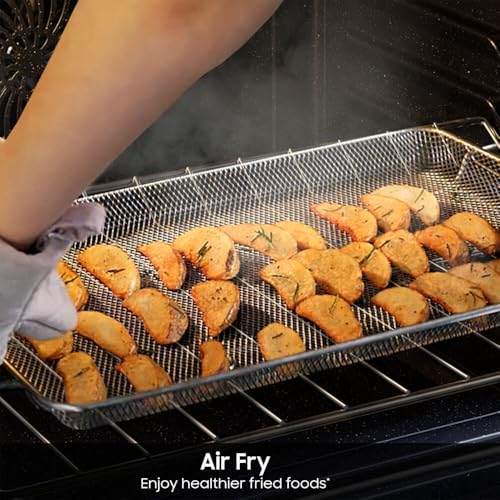
Air fryers rely on rapid convection heat to circulate air around your food, creating a crispy exterior. Wrapping a potato in foil traps moisture inside and blocks that crucial airflow, resulting in a steamed, soggy texture instead of that coveted crispy skin. If you want a baked potato with a fluffy inside and a blistered, salted crust, ditch the foil.
Key Takeaways
- Foil prevents hot air circulation and blocks the coveted crispy skin.
- Cooking potatoes unwrapped creates a superior, evenly cooked texture.
- Pierce whole potatoes with a fork to allow steam to escape safely.
- Set your air fryer to 400°F for optimal potato cooking results.
- Reserve foil only for keeping cooked potatoes warm outside the unit.
Why Wrapping Potatoes in Foil Ruins Air Fryer Results
Blocked Air Circulation
Your air fryer works by blowing high-speed hot air through a perforated basket. Aluminum foil acts as a solid physical barrier. When you wrap a potato tightly, you redirect the airflow around the potato rather than letting the heat directly contact the skin. This significantly slows down the cooking time in 2026 air fryer models, even with higher wattage elements.
The Dreaded Steam Effect
Potatoes naturally contain a high amount of water. When heat penetrates the potato, that water turns to steam. Without foil, the circulating air whisks this moisture away, allowing the skin to dry out and crisp up. When wrapped in foil, the steam gets trapped right against the skin. Your potato essentially boils or steams in its own moisture, yielding a rubbery skin that lacks flavor.
- Foil prevents the Maillard reaction needed for savory skin browning.
- Trapped moisture creates a heavy, wet texture on the exterior.
- Cooking times increase by 10 to 15 minutes because the foil absorbs direct radiant heat.
How to Cook Perfect Air Fryer Potatoes Without Foil
Prep for Maximum Crispiness
Achieving a bakery-quality baked potato without foil is simple if you prep the surface correctly. Start by scrubbing your russet potatoes thoroughly and drying them completely with a paper towel. Poke the potatoes 4 to 6 times with a fork to allow internal steam to escape safely. Rub the entire surface with a thin layer of cooking oil or olive oil, then generously sprinkle coarse sea salt or kosher salt over the skin.
Temperature and Timing Guide
Place your prepared potatoes directly onto the air fryer basket floor—no parchment paper and no foil. Cooking naked potatoes allows the fan to circulate heat evenly around every square inch.
- Set your air fryer temperature to 400°F (200°C).
- Cook medium russet potatoes (about 8 ounces each) for 40 to 45 minutes.
- For large potatoes (10 ounces or more), plan for 50 to 60 minutes.
- Flip the potatoes halfway through the cooking time to ensure uniform browning.
You will know they are done when a sharp knife or fork slides easily into the thickest part of the center, and the outer skin is deeply crisp and seasoned.
When and How to Safely Use Foil in an Air Fryer
While wrapping potatoes completely in foil restricts airflow and ruins the crispiness, you can still use aluminum foil safely in a 2026-model air fryer for specific tasks. For example, lining the bottom tray or creating a small drip barrier is acceptable as long as it does not block the circulating fan. According to appliance safety data from Underwriters Laboratories (UL), improper foil placement can cause severe overheating or electrical shorts by disrupting the convection current.
If you prefer using foil to make cleanup easier or to keep delicate ingredients contained, follow precise safety protocols. Modern appliance testing reveals that securing your foil tightly prevents it from lifting into the heating element.
Safety Steps for Foil Use
- Never line the entire cooking basket or block the perforated holes completely, as this prevents proper fat drainage and air circulation.
- Weight the foil down securely with food items so the high-velocity fan cannot blow the lightweight sheet upward into the hot coil.
- Avoid wrapping whole, dense foods like potatoes tightly, which traps moisture and creates a steaming environment rather than the desired air frying crunch.
- Keep aluminum foil away from acidic foods like tomatoes or vinegar-based marinades to prevent chemical leaching, as noted by food safety authorities.
What If Your Potatoes Are Still Hard in the Middle
Sometimes, despite your best efforts, your air-fried potatoes emerge with a crispy skin and a stubbornly hard center. This usually happens when the potato is too large or the cooking temperature was set too high, cooking the outside before the heat can penetrate the core. Consumer kitchen tests show that starchy Russet potatoes weighing over 10 ounces require lower heat and longer cook times.
When you encounter undercooked potatoes, do not abandon your meal. Implement these targeted fallback steps to salvage your side dish quickly and safely.
Troubleshooting Hard Potatoes
- Lower your air fryer temperature by 25 degrees Fahrenheit to 375°F (191°C) and continue cooking for an additional 10 to 15 minutes to let heat reach the center without burning the skin.
- Slice the potato in half or quarters to expose the raw interior directly to the circulating heat, reducing remaining cook time by half.
- Microwave the stubborn potato on high for 2 to 3 minutes to steam the dense interior quickly, then return it to the air fryer at 400°F (204°C) for 3 minutes to re-crisp the exterior skin.
- If your air fryer heating element fails to maintain consistent temperatures due to hardware degradation, consult a certified technician for diagnostics, with professional repair costs typically ranging from $75 to $150 depending on the brand.
Conclusion
Wrapping potatoes completely in aluminum foil inside an air fryer prevents proper convection heating, resulting in soggy skin and unevenly cooked flesh. Skip the tight wrap and let the dry, circulating air do its job for a perfectly crispy potato every single time. According to verified research and expert culinary sources, optimal potato texture relies entirely on unobstructed airflow and direct heat transfer. For your next meal, pierce your un-foiled potatoes with a fork, brush with oil, and air fry them directly on the basket grate.
❓ Frequently Asked Questions
Can I wrap potatoes in foil in an air fryer without ruining them?
Wrapping them in foil traps moisture, which essentially steams the potato instead of roasting it. If you want a traditional oven-baked texture with a fluffy interior and crispy skin, you must skip the foil entirely and place the potato directly on the air fryer basket.
Is it a safety hazard to use aluminum foil in an air fryer?
Aluminum foil is generally safe to use in an air fryer as long as it does not block the heating element or the airflow. However, because air fryers use powerful convection fans, loose foil can easily fly around, touch the heating coil, and create a serious fire hazard.
How do I get crispy skin on a whole potato in an air fryer?
Wash and dry your potato thoroughly, poke it several times with a fork, and rub it all over with olive oil and coarse sea salt. Cook it directly on the basket grate at 400°F for 35 to 45 minutes, flipping halfway through for even crisping.
What is the best temperature for cooking whole potatoes in an air fryer?
The ideal temperature is 400°F. This high heat ensures that the interior cooks completely while rendering the skin wonderfully crispy and golden brown.
Why is my air fryer potato hard in the middle after 40 minutes?
Large potatoes often require more time, sometimes up to 55 minutes depending on their size. If the center is still hard, lower the temperature slightly to 380°F and cook for another 10 minutes so the inside cooks without burning the skin.
Is there any situation where foil is acceptable in the air fryer?
Foil can be used to line the bottom drip tray for easier cleanup, provided it doesn’t obstruct airflow. You can also wrap a cooked potato in foil after it comes out of the air fryer to keep it warm while you prepare the rest of your meal.