Can You Have A Air Fryer In Dorm Can You Have an Air 2026
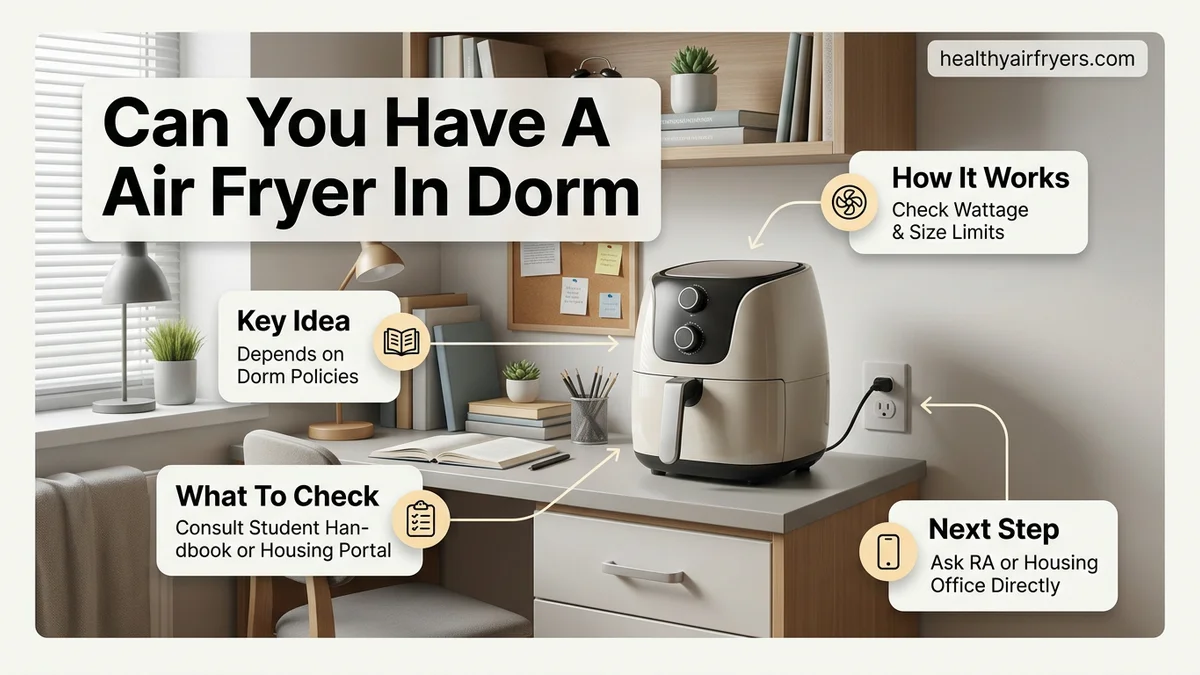
In most cases, air fryers are strictly banned in college dormitories due to high wattage requirements and fire safety hazards involving heating elements. You must check your specific university housing policy before bringing any kitchen appliances to campus to avoid confiscation or fines.
In most cases, you cannot have an air fryer in a traditional college dorm room for the 2026 academic year. University housing departments consistently classify air fryers as prohibited high-wattage heating appliances that violate standard fire safety regulations.
Navigating dorm appliance policies can be frustrating when you just want a quick, crispy meal between classes. However, understanding the exact reasoning behind these bans and knowing how to properly verify your specific campus rules will save you from heavy fines, confiscated property, or potential lease violations.
Key Takeaways
- Always check your specific university housing handbook before packing kitchen appliances.
- Air fryers are generally banned because they have high wattage that trips circuit breakers.
- Exposed heating elements and high heat generation violate standard dorm fire codes.
- Getting caught with a banned appliance usually results in confiscation and standard fines.
- Microwaves and mini-fridges are typically the only approved cooking appliances allowed.
Why Air Fryers Are Banned in Most College Dorms
High-Wattage Electrical Loads
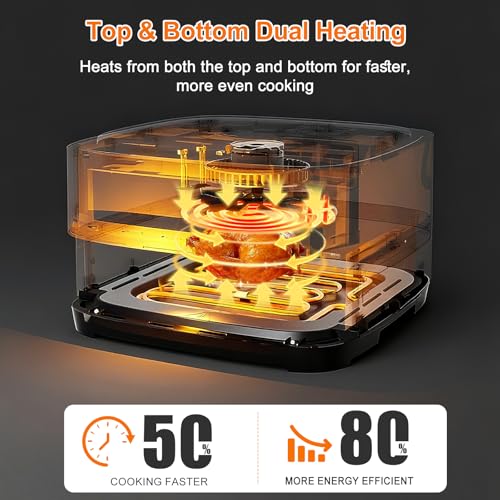
Standard dorm rooms are simply not wired to handle the massive electrical draw of modern kitchen appliances. Most air fryers operate between 1500 and 1800 watts, which is comparable to a space heater or a heavy-duty hair dryer. When multiple students plug high-wattage devices into older dorm circuits:
- Circuit breakers trip repeatedly, plunging hallways and rooms into darkness.
- Outlets can overheat due to excessive electrical current draw.
- The risk of electrical fires increases exponentially across older residential buildings.
Fire Safety and Open Heating Elements
Campus fire marshals enforce strict regulations to protect hundreds of students living in close proximity. Even though air fryers are technically countertop convection ovens rather than deep fryers, they still pose unique safety challenges:
- Exposed or high-heat internal coils reach temperatures well over 400 degrees Fahrenheit.
- Grease and food residue can build up rapidly in a busy college setting, creating a severe combustion hazard.
- Distracted studying or late-night fatigue often leads to unattended cooking, which is the leading cause of campus residential fires.
How to Check Your University Housing Rules and Fire Safety Codes
Locating the Official Residential Life Policy Manual
Never rely on word-of-mouth from upperclassmen when it comes to dorm appliances. Housing policies change frequently, and enforcement can vary by building type. To find your true status for 2026, take these specific steps:
- Log into your university housing portal and download the current year residential life handbook.
- Search the document specifically for terms like prohibited items, electrical appliances, and cooking devices.
- Pay attention to distinctions between traditional dorms with communal kitchens and suite-style living that includes micro-kitchens.
Understanding Campus Fire Marshal Inspections
Even if your Resident Advisor looks the other way, official campus-wide fire safety inspections are completely out of their hands. Local fire codes override university housing guidelines in many jurisdictions. Keep these realities in mind:
- Random health and safety checks occur multiple times per semester without warning.
- Prohibited items found during inspections are typically confiscated immediately with no return policy.
- Repeat violations can result in formal disciplinary action or forced removal from campus housing.
Step-by-Step Guide to Finding Approved Dorm Kitchen Appliances
Navigating campus housing policies requires a systematic approach to prevent costly confiscations or safety violations. Most universities publish strict guidelines regarding prohibited heating elements, making proactive research essential for students moving into dorms in 2026.
1. Review the Official Housing Handbook
Begin by thoroughly examining the residential life housing agreement and packing guidelines published by your specific institution. Look specifically for keywords like open-heating elements, automatic shut-off, and UL certification to determine if an air fryer is permitted.
2. Contact Residential Life Directly
If the written policy remains ambiguous regarding countertop convection devices, submit a formal written inquiry to your campus housing director. Written confirmation provides necessary protection if RA inspections occur later in the semester.
3. Explore Designated Campus Kitchens
According to safety data from the National Fire Protection Association (NFPA), cooking equipment remains a leading cause of campus fires. Therefore, many universities that ban appliances in individual rooms provide communal floor kitchens where high-wattage air fryers are fully permitted for student use.
What to Do If Your Air Fryer Is Confiscated or Banned
Discovering that your appliance has been confiscated during a room inspection can be stressful, but following proper protocol ensures a swift resolution. Residence life staff typically store seized items until the end of the term or require a parent pick-up.
1. Review the Confiscation Notice
Locate the official receipt or notification left by housing staff to identify the exact policy violation and the designated storage location for retrieved items.
2. Arrange Off-Campus Storage
Contact the housing office promptly to schedule a time to retrieve your appliance. Immediately relocate the device to an off-campus apartment or a secure storage unit to avoid repeated infractions.
3. Appeal with Medical or Dietary Accommodations
If you require specialized cooking for severe food allergies or medical diets, submit documentation to the campus accessibility office. According to verified university ADA compliance guidelines, approved medical exemptions occasionally permit alternative cooking appliances in residential halls.
What If It Still Doesn’t Work?
If your permitted mini appliance fails to operate properly or trips the dorm’s circuit breaker, systematic troubleshooting can prevent permanent electrical damage. Try the following fallback steps before seeking outside assistance:
- Check the circuit load: Unplug other high-wattage devices like hair dryers or mini-fridges from the same circuit, as standard dorm rooms often limit total amperage to 15 amps.
- Test another wall outlet: Move the appliance to a different outlet in the room to rule out a localized electrical wiring failure.
- Inspect the power cord: Look for frayed wiring, melting, or physical damage, which requires immediate disposal due to severe fire risks.
- Consult manufacturer support: Contact customer service if the unit is still covered under warranty. Professional repair or replacement typically ranges from $30 to $80 depending on the model.
Conclusion
Determining whether you can have an air fryer in your dorm for 2026 depends entirely on your specific campus housing regulations, fire safety codes, and electrical capacities. Always prioritize official university guidelines over general internet advice to avoid penalties. According to verified research and expert sources from safety organizations like the NFPA, proactive communication with housing officials remains the safest path forward. Your next step is to download and review your university’s current residential housing handbook today.
❓ Frequently Asked Questions
Why do colleges have such strict rules about air fryers in dorm rooms?
Colleges enforce strict appliance bans primarily to prevent electrical fires and avoid overloading older electrical grids in campus residence halls. High-wattage heating devices can easily trip circuit breakers and pose severe safety risks.
Do any dorms allow air fryers under certain conditions?
Some upperclassman dorms or apartment-style campus housing equipped with full kitchens may permit air fryers. However, traditional double-occupancy freshman dorm rooms almost universally ban them.
What are the best alternatives to an air fryer for dorm cooking?
Approved alternatives usually include standard micro-fridges, electric kettles with auto-shutoff features, and coffee makers. Always verify that these appliances comply with your specific housing wattage limits.
Can I hide my air fryer during dorm room inspections?
Hiding a banned appliance is strongly discouraged because routine health and safety inspections happen regularly. Getting caught hiding a prohibited item often results in harsher disciplinary actions.
How can I find out the exact wattage limit for my dorm room?
Your university’s residence life website or housing contract will list specific rules regarding permitted electrical devices. You can also contact your residential director directly to ask.
If my roommate bought an air fryer, am I responsible too?
Yes, if a banned appliance is found out in the open during an inspection, both roommates can face disciplinary action or fines regardless of who purchased it.