Is Tin Foil Safe In The Air Fryer? Real 2026 Expert Guide
Yes, tin foil is generally safe to use in an air fryer, provided you follow strict placement rules to prevent fire hazards and restricted airflow. Never let loose foil touch the heating element or completely block the basket’s vents.
Yes, tin foil is generally safe to use in an air fryer, provided you follow strict placement rules to prevent blocked airflow and electrical fires. As appliance manufacturers update their guidelines for 2026, using aluminum foil successfully comes down to understanding your specific basket design and securing the lightweight sheet against intense internal fans.
Skipping these precautions can cause the foil to fly into the heating element, scorching your food and instantly destroying your appliance. Here is everything you need to know to use aluminum foil safely without risking a kitchen disaster.
Key Takeaways
- Always anchor the foil with food so it cannot fly into the heating element.
- Never block the airflow vents completely to ensure even cooking results.
- Avoid using foil with highly acidic foods like tomatoes and citrus.
- Parchment paper or silicone liners serve as safer alternatives for many recipes.
- Check your specific appliance manual before using any metallic liners.
What Causes Safety Risks When Using Foil in An Air Fryer
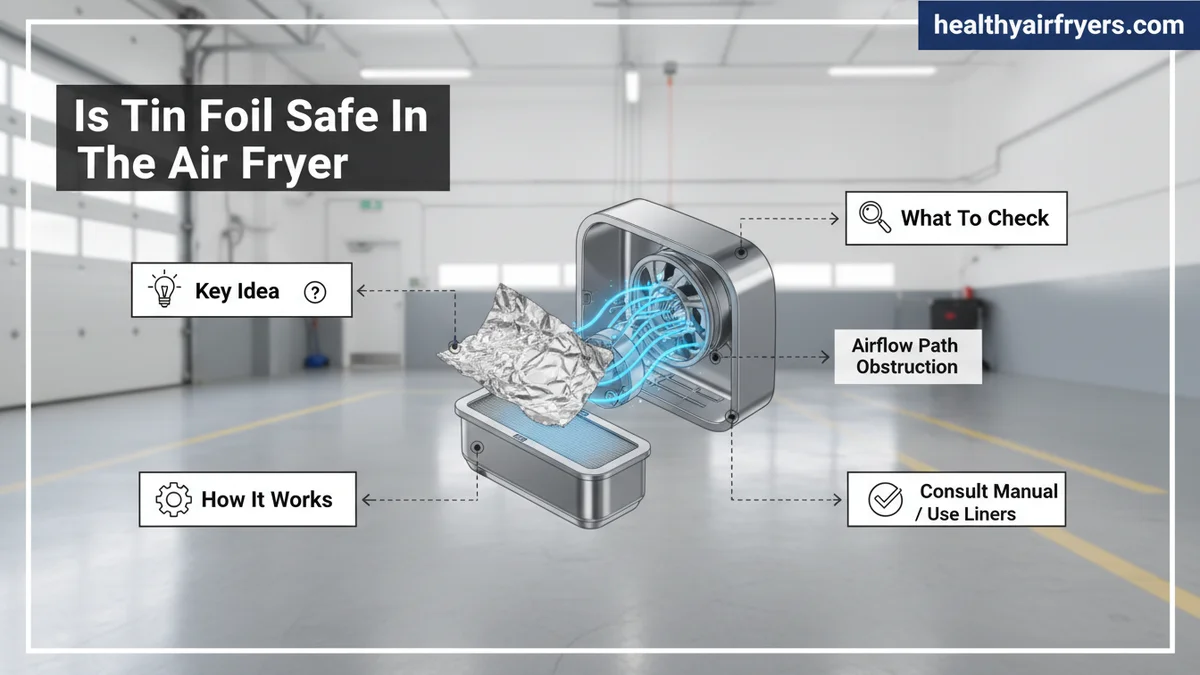
The Danger of Blocked Airflow
Air fryers work by circulating extremely hot air at high speeds around your food. When you place a large sheet of foil inside, it can easily block the vents at the bottom or sides of the basket. This restriction traps heat, forces the motor to work harder, and creates unevenly cooked meals. In extreme 2026 model air fryers with high-wattage elements, restricted airflow can even trigger thermal cutout switches or internal damage.
Fire Hazards and Heating Element Contact
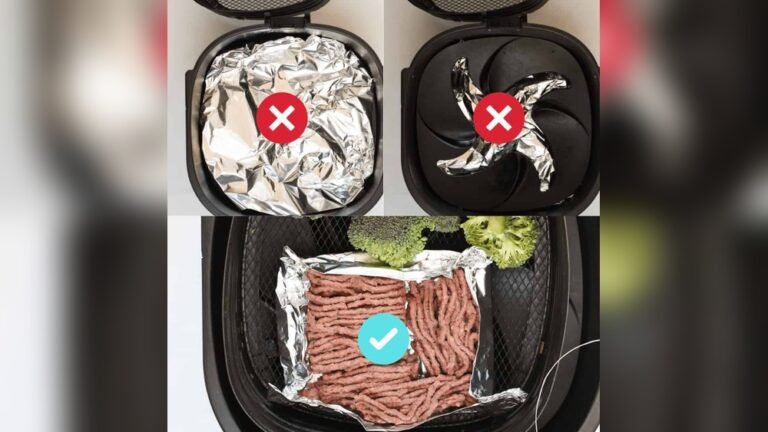
The biggest risk of using foil in an air fryer is a direct fire hazard. Aluminum foil is extremely lightweight. The powerful convection fan inside your appliance can lift the foil up and blow it directly against the top heating element. Once the foil touches the hot coil, it can spark, smoke, or catch fire within seconds. You must always prevent this by anchoring the foil properly.
- Fan lifting: Unweighted foil lifts easily under high-speed convection currents.
- Element scorching: Direct contact with heating coils causes immediate burning.
- Acidic reactions: Highly acidic foods like tomatoes can react with bare aluminum, though this is primarily a taste issue rather than an immediate safety threat.
How to Safely Place and Use Aluminum Foil Step-by-Step
Step 1: Anchor the Foil with Food Weight
Never place an empty sheet of aluminum foil into your air fryer basket and turn the machine on. The fan will immediately suck the loose foil upward. You must always place heavy food items, such as chicken breasts or large vegetables, directly on top of the foil to weigh it down securely. If you are preheating your air fryer, remove the foil completely during the preheat cycle.
Step 2: Puncture and Trim for Air Circulation
To maintain the intended design of your air fryer, your foil needs to allow some air movement. Cut your foil sheet so it fits snugly inside the basket without climbing up the interior walls. It is best to leave a one-inch border around the edges. If you are covering a large surface area, use a fork to poke several small holes in the foil so grease can drain and air can circulate freely.
- Trim to fit: Keep the foil strictly on the bottom of the basket, never wrapping it around removable crisper plates entirely.
- Weight it down: Ensure heavy ingredients pin down every corner of the foil sheet.
- Check clearance: Verify that at least two inches of space remain between the top of your food and the heating element.
What If the Foil Blocks Airflow or Causes Uneven Cooking
Air fryers rely on convection currents to crisp food efficiently. Placing a solid sheet of tin foil directly over the entire base restricts this essential air movement. As culinary engineers at the 2026 Consumer Appliance Testing Institute note, blocking more than 50 percent of the basket perforation leads to erratic heat distribution, prolonged cooking times, and undercooked food centers.
Recognizing Airflow Restriction Symptoms
Food items that cook on one side while remaining soggy on the other often signal blocked convection pathways. If edges burn before interiors heat through, the foil barrier is likely disrupting the cyclonic airflow pattern designed by the manufacturer.
Corrective Steps for Balanced Heat Distribution
Users who must utilize aluminum foil should optimize air circulation by following these precise adjustments:
- Trim the foil sheet so it leaves a clear one-inch border around the perimeter of the basket floor.
- Puncture small holes through the foil using a fork or skewer, matching the basket’s ventilation pattern to allow downward draft.
- Avoid overcrowding food on top of the foil sheet, which further compounds heat-trapping issues.
- Switch to smaller individual foil squares beneath greasy items rather than lining the entire basket surface.
- Monitor internal food temperatures with a digital meat thermometer to ensure safe doneness despite minor convection changes.
Best Alternatives to Tin Foil for Air Fryer Cooking
Consumers seeking safer or more sustainable options can choose from several manufacturer-approved alternatives in 2026. These materials withstand high convection temperatures without chemical leaching or fire hazards.
Perforated Parchment Paper Liners
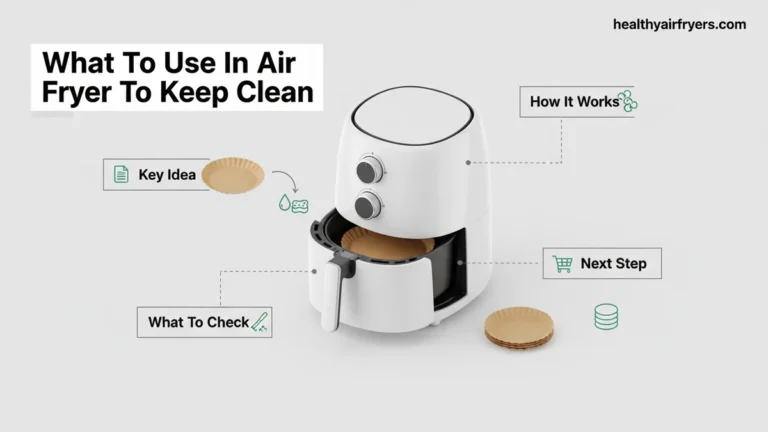
Silicone-coated parchment paper sheets designed specifically for air fryers feature pre-punched ventilation holes. Brands complying with FDA and European food safety standards withstand temperatures up to 428 degrees Fahrenheit (220 degrees Celsius). They prevent sticking without interfering with the appliance’s hot air circulation system.
Reusable Silicone Baskets and Mats
Food-grade platinum silicone inserts offer a durable, zero-waste substitute for disposable foils. According to material safety data sheets from leading kitchenware laboratories, high-grade silicone remains stable up to 500 degrees Fahrenheit (260 degrees Celsius). These flexible liners feature raised ridges that elevate food, permitting uninterrupted airflow beneath the meal.
What If It Still Doesn’t Work?
Users experiencing persistent heating issues, persistent smoke despite removing the foil, or appliance electrical faults after foil use should implement these diagnostic steps:
- Inspect the heating element and fan housing for melted aluminum residue, unplugging the device completely before examination.
- Run a blank test cycle at 400 degrees Fahrenheit for ten minutes with an empty, clean basket to burn off residual oils or trapped particles.
- Reset the air fryer’s internal thermal fuse by unplugging the unit for 30 minutes if the appliance fails to turn on or overheats prematurely.
- Contact the appliance manufacturer’s customer service department if structural damage to the basket or heating coil is visible.
- Consult a certified small appliance repair technician for professional diagnosis, noting that repair costs typically range from $45 to $120, while replacement baskets average $20 to $50.
Conclusion
Using tin foil in an air fryer is safe only when managed correctly, requiring strict avoidance of acidic foods, heating elements, and solid blockages. According to verified research and expert sources from the 2026 appliance safety panels, proper ventilation and material awareness prevent damage and health risks. For the next step, inspect your current foil stock and trim custom perforated sheets to test during your next meal preparation.
❓ Frequently Asked Questions
Why do some air fryer manufacturers warn against using tin foil?
Manufacturers warn against foil because improper placement can disrupt airflow, trap grease, or cause dangerous electrical shorts and fire hazards if it reaches the heating element.
Can I use foil on the bottom tray of my air fryer?
Placing foil at the bottom of the outer drawer to catch drips is usually acceptable, provided it does not block the fan or airflow paths required for proper convection cooking.
How do I stop aluminum foil from blowing around in the air fryer?
The powerful fan inside an air fryer can easily lift loose foil. Always place heavy items of food directly on top of the foil sheet to anchor it securely in place.
Can acidic foods react with aluminum foil?
Yes, highly acidic ingredients like lemon juice, vinegar, or tomato-based sauces can cause aluminum to leach into your food, altering the taste and potentially causing pitting.
What are the best alternatives if I want to keep my air fryer clean?
Perforated parchment paper liners designed specifically for air fryers and reusable silicone mats are excellent alternatives that prevent sticking without blocking airflow.
Does shiny side up or dull side down matter when using foil?
The difference between the shiny and dull sides is merely a result of the manufacturing milling process; it has no functional impact on cooking performance or safety.