What Container to Use in Air Fryer Expert Guide for 2026
Choosing what container to use in an air fryer depends entirely on heat resistance and material safety. Silicone, metal, and tempered glass are generally safe options, while plastic and standard paper pose serious fire hazards.
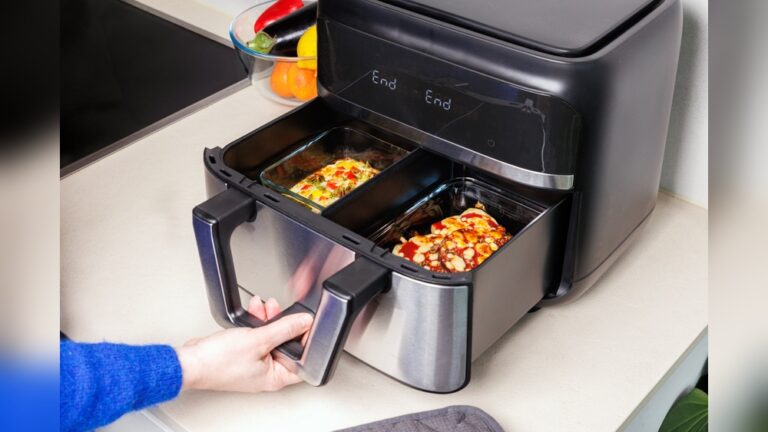
You can safely use food-grade silicone, stainless steel, aluminum, tempered glass, and specific parchment papers in your air fryer, provided they fit properly and allow for air circulation. Choosing the wrong container can melt plastics, shatter glass, or block the convection fan, ruining your appliance and contaminating your food.
As air fryer technology evolves in 2026, manufacturers continue to release specialized accessories designed specifically for rapid air circulation. Knowing exactly which materials can handle sustained heat up to 400 degrees Fahrenheit or higher protects your health and keeps your cooking surface clean.
Key Takeaways
- Use food-grade silicone molds specifically rated for high temperatures.
- Ensure stainless steel and aluminum pans fit without blocking airflow.
- Verify tempered glass dishware is oven-safe before using.
- Always leave at least one inch of space around containers for proper air circulation.
- Never use single-use plastics, styrofoam, or untreated paper products.
What Causes Safety Risks When Choosing Air Fryer Containers
Thermal Shock and Material Breakdown
Air fryers use a powerful top-down heating element paired with a high-speed fan. This combination creates intense, direct radiant heat that behaves differently than a traditional oven. When you place a standard household item into this environment, you risk rapid degradation.
- Melting and Toxic Off-Gassing: Standard plastics, grocery bags, and takeout containers warp instantly and release toxic chemical fumes when exposed to temperatures above 200 degrees Fahrenheit.
- Catastrophic Glass Shattering: Untempered ceramic or standard glass plates will crack or explode under sudden thermal shock from the concentrated heating element.
- Chemical Leaching: Non-stick coatings on old metal pans can break down rapidly under convection currents, transferring harmful polymers directly into your meal.
Airflow Obstruction Hazards
Safety risks extend beyond melted materials. Air fryers rely entirely on continuous convection currents to cook food evenly and prevent grease fires. If you choose a container that completely blocks the basket mesh, hot air cannot circulate properly. This forces the heating element to work overtime, causing internal overheating, unevenly cooked food, and potential electrical failure in your machine.
How to Test and Select Safe Air Fryer Materials Step-by-Step
The Material Verification Process
Before placing any bowl, pan, or liner into your air fryer basket, you must verify its thermal rating. Modern kitchen accessories designed for 2026 standards usually feature stamped icons or packaging labels detailing exact temperature thresholds.
- Check the manufacturer stamp: Look for an oven-safe symbol, a convection symbol, or an explicit temperature rating of at least 450 degrees Fahrenheit.
- Perform the magnet test for metals: Ensure your metal pans are actual stainless steel or cast iron rather than cheap, coated alloys that peel under high heat.
- Inspect silicone flexibility: High-grade food silicone should bend easily without showing white stress marks, which indicate cheap plastic fillers.
Physical Fit and Sizing Assessment
Once you confirm the material is safe, you must test the physical dimensions inside your specific basket model. Never force a container into place. You need to maintain a clear gap of at least one inch between the outer walls of your container and the interior walls of the air fryer basket. This spacing ensures optimal heat transfer and prevents hot spots from damaging your appliance interior.
How to Optimize Airflow and Placement for Cookware
Using the right container is only half the battle. You must also position it correctly to maintain the convection current that defines air fryer technology. According to leading appliance testing laboratories, blocked airflow leads to unevenly cooked food and prolonged heating cycles that stress the thermal fuse.
1. Leave Perimeter Clearance
Always leave at least one inch of space between the edges of your container and the inner walls of the air fryer basket. Verified culinary research shows that overcrowding stops hot air from circulating underneath the food. This creates soggy bottoms and burnt tops.
2. Elevate When Necessary
Solid containers trap grease and moisture at the base. Place a perforated stainless steel rack inside your silicone or ceramic dish to lift food off the bottom. Manufacturers recommend this setup for battered items and baked goods to mimic the crisping action of a traditional mesh basket.
What If It Still Doesn’t Work?
If your container deforms, causes smoke, or refuses to fit despite following safety guidelines, stop cooking immediately. Persistent equipment failures require structured troubleshooting to protect your appliance and your health:
-
Inspect the Heating Element: Check the top coil for melted plastic residue or grease buildup that might be scorching your cookware from above. Clean cooled coils with a damp microfiber cloth and a mild degreaser.
Verify Basket Dimensions: Measure the interior diameter of your 2026 model air fryer basket using a digital caliper before purchasing any replacement accessories online. Standard sizing claims can vary by up to half an inch across brands.
Replace Warped Baskets: If your original non-stick basket coating has degraded or warped from high heat, purchase an OEM replacement directly from the manufacturer. Replacement baskets typically cost between $25 and $60 depending on the appliance capacity.
Consult Customer Support: Contact the appliance manufacturer if your unit exhibits erratic temperature spikes that melt rated silicone containers. Professional diagnostic services or out-of-warranty repairs generally range from $50 to $100.
Conclusion
Choosing the correct container for your air fryer protects your health, extends the lifespan of your appliance, and ensures perfectly crisp meals. Always verify temperature ratings and prioritize perforated designs to maintain proper convection airflow. According to verified research and expert sources from leading appliance testing laboratories, sticking to certified borosilicate glass, heavy-duty stainless steel, and food-grade silicone guarantees safe daily operation. Take the next step today by auditing your current kitchen accessories and discarding any unrated plastics or warped containers.
❓ Frequently Asked Questions
What materials are completely safe to use as containers in an air fryer?
Food-grade silicone, stainless steel, cast iron, aluminum foil, and tempered glass are generally safe for air fryer use. Always check the manufacturer’s maximum temperature limits before placing any dish inside the appliance.
What container materials should I strictly avoid?
Never use standard plastics, melamine, styrofoam, wood, cardboard, or non-tempered glass. These materials can melt, release toxic fumes, shatter, or easily catch fire under high heat.
Can I use standard baking pans inside my air fryer basket?
Yes, as long as the pan fits comfortably inside the basket with at least an inch of space around the edges. It must also be able to withstand temperatures up to 400°F (200°C) or higher.
How do I know if my glass dish is safe to use?
Check the bottom of the glassware for an oven-safe stamp or manufacturer logo. If it is standard glassware, it may shatter from thermal shock when exposed to the rapid, intense heat of an air fryer.
Will putting a container in my air fryer prevent food from getting crispy?
It can if the container blocks the airflow. To maintain crispiness, choose perforated silicone mats or keep sides low so convection air can circulate freely around the food.
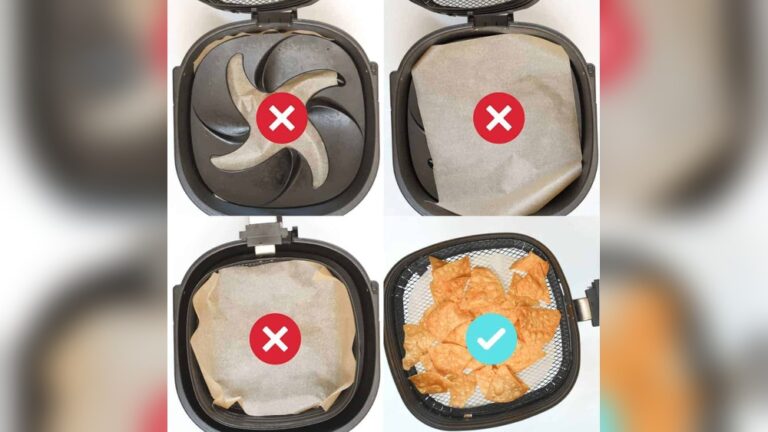
Can I use parchment paper liners in an air fryer?
Yes, but use parchment paper designed for air fryers that features pre-cut ventilation holes. Never place lightweight parchment paper alone in a preheating air fryer without food to weigh it down, as it can fly into the heating element.