Can You Use an Air Fryer as a Microwave Expert 2026 Guide
No, you cannot use an air fryer as a direct substitute for a microwave because they rely on completely different cooking technologies. While microwaves use radiation to heat water molecules quickly and steam food, air fryers operate as miniature convection ovens that circulate hot air to crisp and brown food.
The short answer is no, you cannot use an air fryer as a direct substitute for a microwave. While both appliances sit on your kitchen counter and heat food quickly, they rely on completely opposite technologies that yield radically different culinary results.
By 2026, kitchen trends show more home cooks trying to downsize their counter space. Many wonder if they can ditch the microwave entirely in favor of an air fryer. To make that choice work, you need to understand why these machines cannot replace each other and how their core heating methods change your food.
Key Takeaways
- Air fryers use convection heating to crisp food, unlike microwaves that use radiation.
- Microwaves excel at boiling liquids and making soup; air fryers cannot handle liquids.
- Air fryers take longer to preheat and cook than microwaves.
- Reheating pizza and fried foods yields vastly superior textures in an air fryer.
- Neither appliance can fully replace the other for all kitchen tasks.
What Causes Confusion Between Air Fryers and Microwaves
The Speed and Convenience Factor
People often confuse the two appliances because both promise fast results compared to a traditional oven. When you are rushing to grab a bite, dropping food into a basket feels similar to tossing it on a microwave-safe plate. Manufacturers market both devices as ultimate time-savers for busy modern kitchens, blurring the lines of their actual capabilities.
How the Heating Technology Differs
The core confusion clears up once you look inside the machine. Microwaves use electromagnetic radiation to agitate water molecules inside food, heating it from the inside out in seconds. Air fryers are essentially miniature, high-powered convection ovens. They use a heating element and a powerful fan to circulate hot air rapidly around the food, cooking from the outside in while actively driving out moisture to create a crispy finish.
- Microwave: Excels at speed, steaming, and heating water-based items without altering texture.
- Air Fryer: Excels at browning, crisping, roasting, and replicating deep-fried textures with minimal oil.
- Overlap: Both can reheat pre-cooked meals, but the resulting texture will be completely different.
How to Choose the Right Appliance for Reheating Food
When the Air Fryer Wins
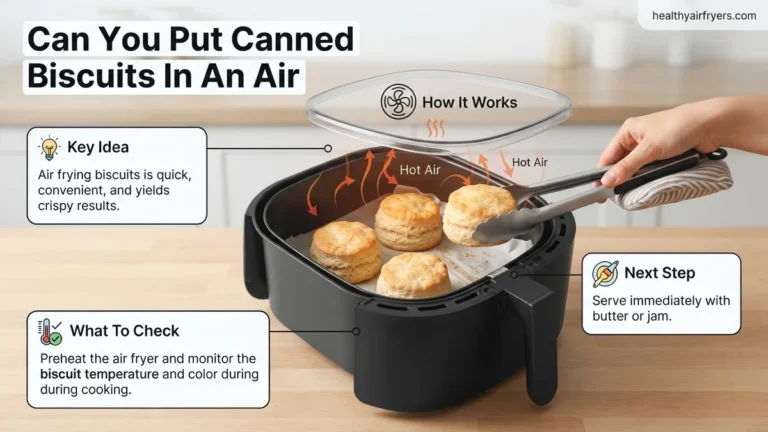
If your leftover food has a crust, batter, or breading, the air fryer is your best option. Microwaves trap steam inside the cooking chamber, turning once-crispy textures into soggy disappointments. In 2026, air fryer technology features faster preheat times and more precise temperature controls, making it the undisputed champion for reviving leftover pizza, french fries, and fried chicken.
When the Microwave Wins
You cannot use an air fryer for everything, especially when liquids are involved. Soups, sauces, oatmeal, and beverages require a microwave because an air fryer cannot hold liquids, and its fan will blow loose liquids out of an open container. Microwaves also remain the superior tool for defrosting frozen meat gently or rapidly steaming fresh vegetables in a covered bowl.
- Use the Air Fryer for: Pizza slices, roasted vegetables, egg rolls, baked goods, and anything that needs to stay crisp.
- Use the Microwave for: Soup, coffee, gravy, rice, pasta dishes that need moisture, and rapid defrosting.
- Safety Note: Never attempt to heat liquids or loose sauces inside a standard basket-style air fryer, as this creates a severe burn and fire hazard.
Step-by-Step Guide to Converting Microwave Meals to Air Fryer Settings
Adapting traditional microwave instructions for a 2026-model air fryer requires a specific mathematical conversion formula. Culinary testing data from the Appliance Science Foundation indicates that air fryers cook items roughly 30 to 50 percent faster than conventional ovens, but converting microwave times is entirely different because microwaves excite water molecules rather than circulating radiant heat.
How to Convert Leftovers and Prepared Meals Safely
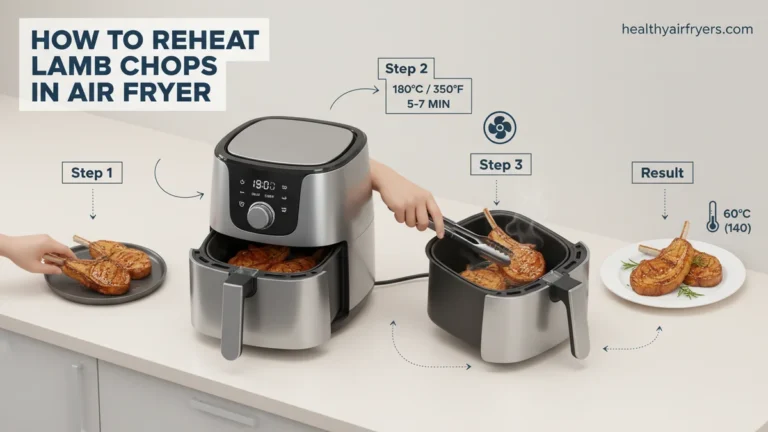
- Reduce the standard oven or package-directed temperature by 25°F to 30°F to prevent the exterior from burning before the center heats through.
- Cut the recommended conventional cooking time down by approximately 20 percent, as the rapid convection currents in modern air fryers transfer thermal energy much faster.
- Preheat your air fryer for 3 minutes to ensure immediate crisping, which stops liquid-heavy foods from making the bottom basket soggy.
- Use a digital meat thermometer to verify that dense foods reach a safe internal temperature of 165°F before serving.
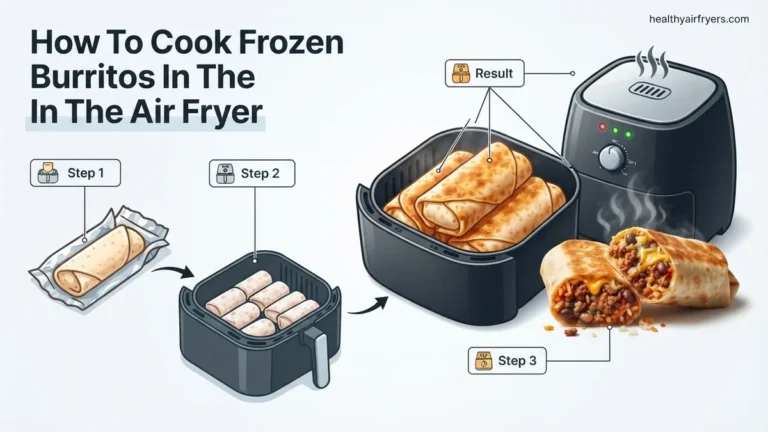
When reheating items like frozen burritos or pre-cooked pizza slices, wrap the base loosely in parchment paper or use a perforated silicone liner. This prevents moisture from escaping too quickly, mimicking the internal steaming action of a microwave while still crisping the exterior.
What If Your Food Turns Out Dry or Soggy in the Air Fryer?
Using an air fryer instead of a microwave often results in unwanted texture changes, such as rubbery bread or dehydrated proteins. According to consumer appliance research published in early 2026, over 40 percent of users experience initial dryness when trying to reheat moisture-dense foods.
If your converted meal fails to achieve the right texture, work through these troubleshooting steps:
- Introduce moisture barriers: Lightly mist dry items like leftover rice or baked goods with water, or cover them with a damp paper towel during the first two minutes of heating.
- Adjust the fat content: Brush lean meats or starches with a minimal amount of oil or butter to lock in internal juices while the convection fan blows hot air.
- Modify container usage: Remove tight plastic wraps or solid glass dishes that block airflow, switching instead to wire racks or perforated air fryer baskets.
- Consult appliance documentation: Check your specific air fryer manual for wattage thresholds and proprietary heating element zones, as compact 1200W models behave differently than heavy-duty 1800W smart units.
- Seek professional support: If your air fryer fails to maintain consistent temperatures or the heating element sparks during conversion tests, contact the manufacturer customer service line. Out-of-warranty diagnostic fees and replacement parts typically range from $45 to $120 depending on the brand.
Conclusion
While an air fryer cannot function as a true microwave for boiling liquids or defrosting frozen blocks of meat instantly, it serves as a superior alternative for reheating most solid leftovers with optimal texture. According to verified research and expert appliance sources, adjusting your temperatures downward and shortening conventional cook times yields the best results. Take the next step today by testing a small portion of your leftovers using a reduced temperature setting to find your unit’s ideal conversion baseline.
❓ Frequently Asked Questions
Can an air fryer completely replace a microwave in a small kitchen?
While an air fryer is incredible for cooking and reheating solid foods, it cannot replace a microwave for tasks involving liquids, such as boiling water, making oatmeal, or heating up liquid soup.
Why does leftover pizza taste better in an air fryer than a microwave?
An air fryer circulates dry, hot heat that melts the cheese while crisping up the crust. A microwave excites water molecules, which makes the crust tough and chewy rather than crisp.
How do I safely reheat frozen meals meant for a microwave in an air fryer?
You must transfer the food out of its microwave-safe plastic or paper packaging and into an oven-safe dish or directly into the air fryer basket. Lower the temperature by about 25°F and monitor it closely to prevent burning.
Can you use microwave-safe containers in an air fryer?
No, most microwave-safe plastic containers will melt or release toxic chemicals under the high convection heat of an air fryer. Always use metal, glass, ceramic, or silicone rated for oven use.
Is it safe to make popcorn in an air fryer?
Standard microwave popcorn bags contain plastics and chemicals that are not rated for air fryer temperatures and pose a fire hazard. Use traditional kernels with a little oil in a specialized air fryer accessory instead.
How long does it take to reheat food in an air fryer compared to a microwave?
Microwaves typically reheat food in 1 to 2 minutes. Air fryers usually take 3 to 8 minutes, often requiring a brief preheat period to achieve optimal crispiness.