
Is It Safe to Use Silicone Air Fryer Liners: Expert Safety Tips
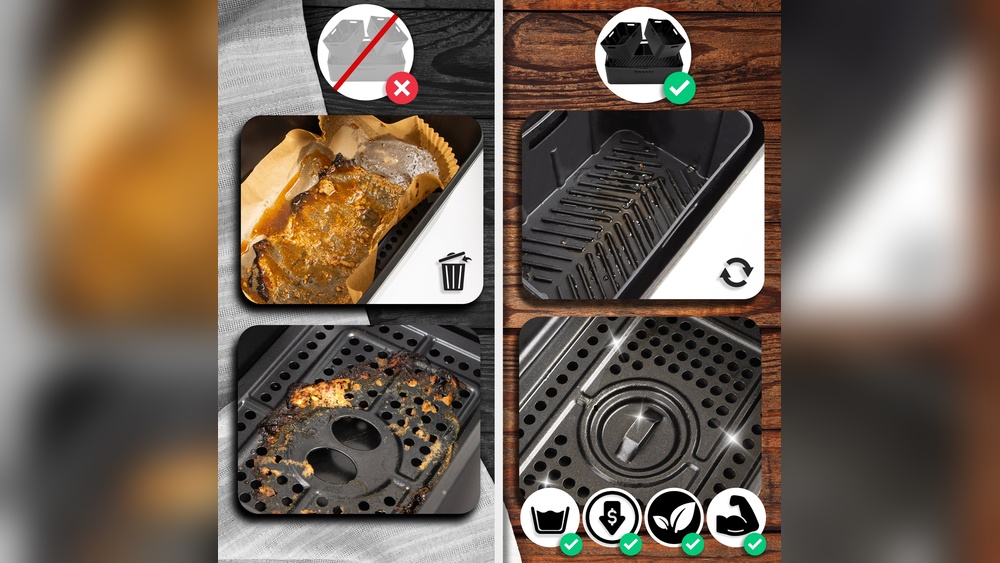
Are you tired of scrubbing your air fryer after every meal? Silicone air fryer liners promise an easy cleanup and a mess-free cooking experience.
But before you place one in your basket, you might be wondering—are these liners really safe to use? You want to protect your health and keep your food tasting great. You’ll discover the truth about silicone air fryer liners, how they work, and whether they’re the right choice for your kitchen.
Keep reading to make an informed decision that keeps your meals delicious and your cooking safe.
Silicone Air Fryer Liners Basics
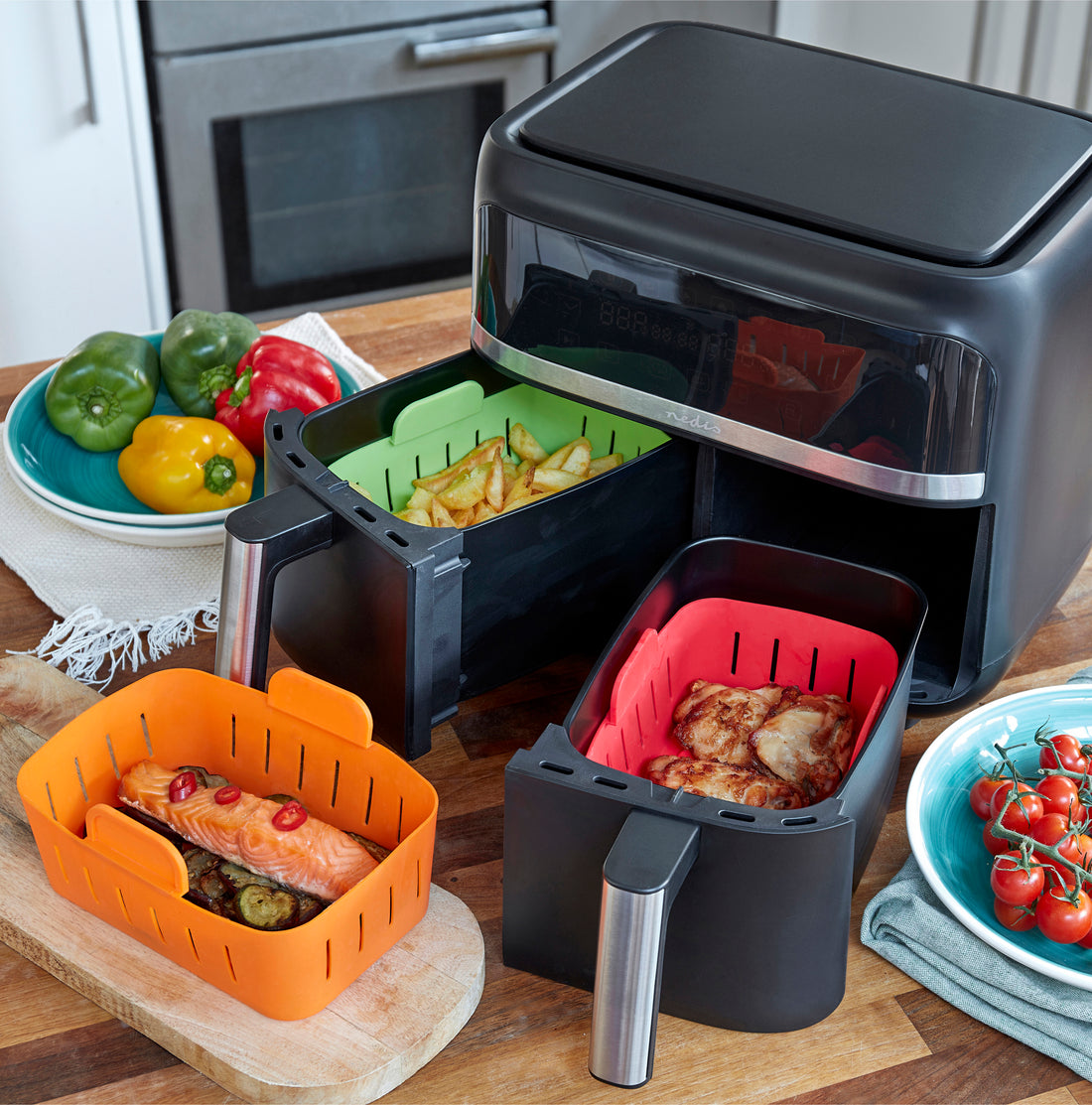
Silicone air fryer liners make cooking and cleaning easier. They fit inside your air fryer basket and catch food drips. This stops food from sticking and helps keep your air fryer clean. Understanding these liners can help you decide if they are safe and useful for your cooking.
Material Properties
Silicone air fryer liners are made from food-grade silicone. This material is heat resistant and flexible. It can handle temperatures up to about 450°F. Silicone does not melt or release harmful chemicals at normal cooking temperatures. It is non-stick, which makes food easy to remove. Silicone is also reusable and easy to clean.
Common Uses In Cooking
These liners are mainly used to keep air fryer baskets clean. They catch grease, crumbs, and sauce spills. People use them for cooking items like fries, chicken, or vegetables. The liners allow hot air to circulate while protecting the basket. They help prevent food from sticking and burning. Some liners have holes to improve airflow and crispiness.

Credit: wafebrands.com
Health And Safety Concerns
Silicone air fryer liners are popular for easy cooking and cleaning. Safety is a top question many people ask. Understanding health and safety concerns helps you use them right.
These liners must handle heat well and not release harmful chemicals. Some users worry about allergies or other risks. This section explains key safety facts.
Heat Resistance Limits
Silicone liners can usually handle temperatures up to 450°F. Going beyond this limit may cause damage or melting. Always check the product label for exact heat limits. Overheating can release unpleasant smells and reduce liner life.
Chemical Safety And Food Contact
Food-grade silicone is safe for cooking and baking. It does not leach chemicals into food at recommended temperatures. Cheap or low-quality silicone may contain fillers or toxins. Buy liners from trusted brands to avoid unsafe materials.
Potential Risks And Allergies
Most people do not have silicone allergies. Rare cases of skin sensitivity or irritation exist. Avoid direct skin contact if you have sensitive skin. Also, clean liners well to prevent bacteria buildup and food contamination.
Expert Safety Tips
Using silicone air fryer liners can make cooking easier and cleanup faster. Safety matters most when using these liners. Follow expert safety tips to keep your kitchen safe and your food healthy.
Choosing Quality Liners
Select liners made from 100% food-grade silicone. Check for certifications like FDA approval. Avoid cheap liners with unknown materials. Quality liners resist heat and stay safe during cooking. Read reviews to find trusted brands. Proper liners prevent melting and harmful fumes.
Proper Usage And Maintenance
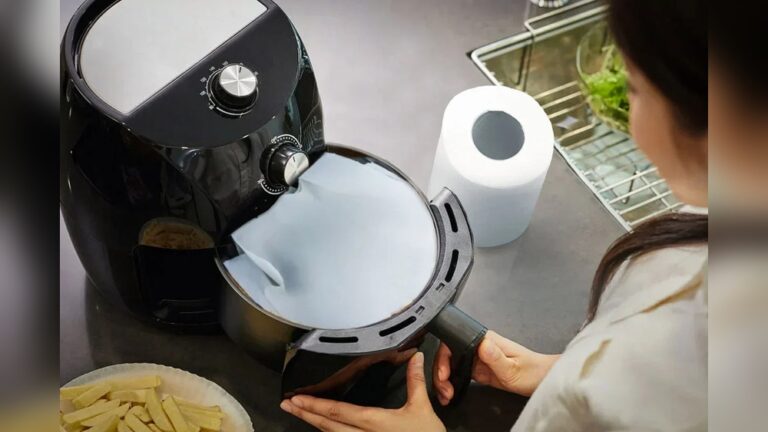
Place liners flat in the air fryer basket. Do not fold or crumple them. Avoid using liners at temperatures above their limit, usually 450°F. Do not use liners with sharp utensils. Replace liners that show damage or wear. Always follow manufacturer instructions for best use.
Cleaning And Storage Recommendations
Wash liners with warm, soapy water after each use. Avoid harsh scrubbing tools that can damage silicone. Dry liners completely before storing to prevent mold. Store liners flat or rolled gently. Keep liners away from direct sunlight and heat sources. Proper care extends liner life and keeps them safe.
Comparing Alternatives
Choosing the right liner for your air fryer can improve cooking and cleanup. Several options exist beyond silicone liners. Each alternative has its own benefits and drawbacks. Understanding these helps pick the best choice for your needs.
Parchment Paper Liners
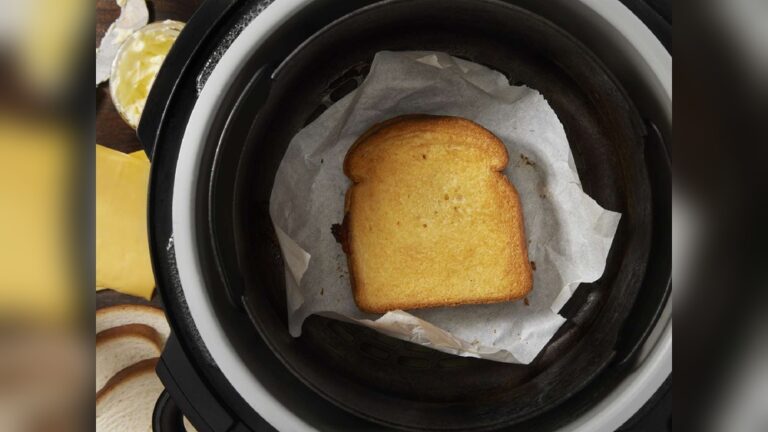
Parchment paper liners are popular and easy to use. They resist heat and prevent food from sticking. These liners are disposable, so cleanup is quick. They come pre-cut or can be trimmed to fit your air fryer. Parchment paper is safe up to high temperatures but can burn if exposed to direct heating elements.
Reusable Mesh Liners
Reusable mesh liners are made from heat-resistant materials like fiberglass. They allow air to circulate well, promoting even cooking. These liners are easy to clean and can be used many times. They do not stick, making them good for delicate foods. Some mesh liners may wear out over time or catch small food particles.
Non-stick Spray Options
Non-stick sprays create a thin coating on the air fryer basket. They prevent food from sticking without adding liners. Sprays are simple and cost-effective. Overuse of sprays may cause buildup and affect taste. Some sprays contain additives, so choose those labeled safe for high heat and food use.
User Experiences And Reviews
Many people who use silicone air fryer liners share their thoughts online. Their reviews help others decide if these liners are safe and useful. Users talk about what they like and dislike. They also share tips on how to get the best results.
Benefits Noted By Users
Users say silicone liners stop food from sticking. This makes cleaning much easier and faster. Many notice less smoke while cooking. The liners often last a long time and resist heat well. People appreciate the liners’ flexibility and non-toxic nature.
Common Complaints
Some users find liners a bit small for big air fryers. A few mention liners can tear after heavy use. Others say liners sometimes affect the crispiness of food. A few users worry about slight odors when liners are new. Some find cleaning tricky if grease builds up.
Best Practices From The Community
Many suggest washing liners before first use to remove odors. Users recommend cutting liners to fit larger baskets. It helps to avoid placing heavy or sharp foods directly on liners. Air dry liners after washing to keep them fresh. Users advise avoiding high temperature settings beyond the liner’s limit.

Credit: mncmea.org
Credit: wafebrands.com
Frequently Asked Questions
Are Silicone Air Fryer Liners Safe To Use?
Yes, silicone air fryer liners are safe when made from food-grade silicone. They resist high temperatures and prevent sticking without releasing harmful chemicals.
Can Silicone Liners Withstand Air Fryer Heat?
Silicone liners can handle temperatures up to 450°F, which covers typical air fryer cooking ranges. This heat resistance ensures they won’t melt or degrade during use.
Do Silicone Liners Affect Air Fryer Cooking Results?
No, silicone liners do not block airflow or affect cooking. They allow hot air circulation, ensuring your food cooks evenly and crisply.
How Do I Clean Silicone Air Fryer Liners?
Simply wash silicone liners with warm, soapy water or place them in the dishwasher. They are reusable and easy to maintain.
Conclusion
Silicone air fryer liners offer a safe and convenient cooking option. They resist heat well and do not release harmful chemicals. Cleaning becomes easier, and food cooks evenly without sticking. Choose high-quality liners made from food-grade silicone for best results.
Always follow the manufacturer’s instructions to ensure safety. Using these liners can protect your air fryer and save time. They provide a practical, reusable alternative to paper liners. Overall, silicone liners can make air frying cleaner and more efficient. Safe, simple, and helpful—worth trying in your kitchen.
2 Comments