What Bowl Can I Put in the Air Fryer 2026 Guide
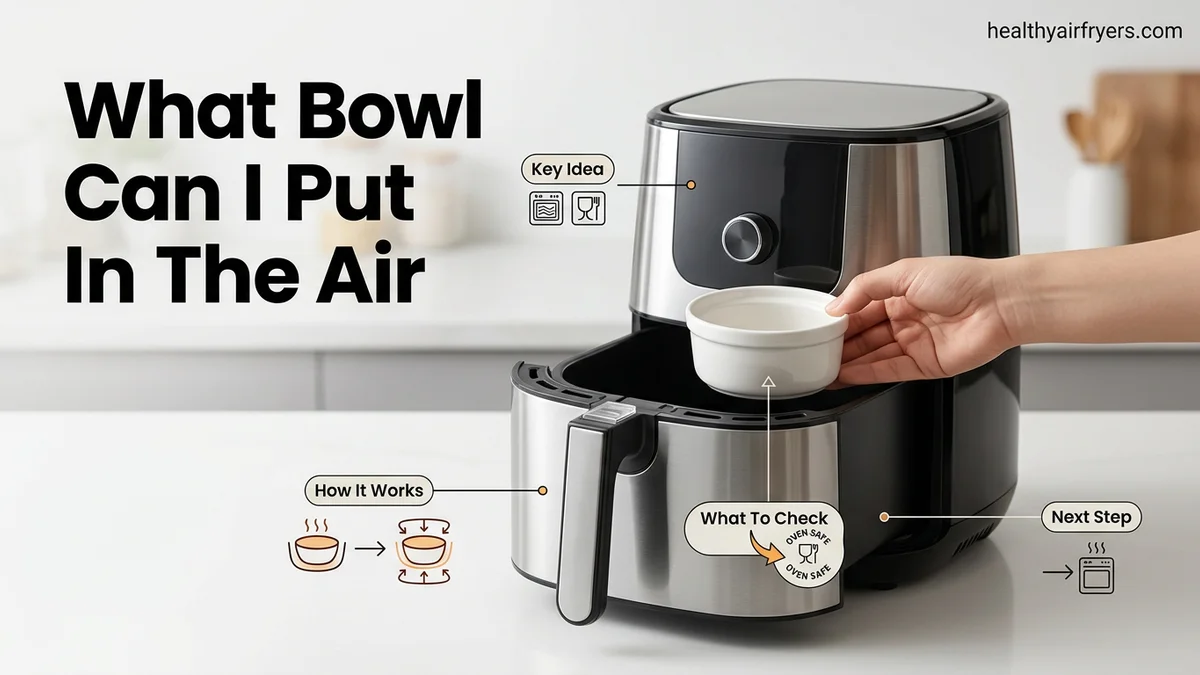
You can safely use heat-resistant silicone, tempered glass (like Pyrex), stainless steel, and ceramic bowls in an air fryer as long as they fit with proper airflow. Never use standard plastic, melamine, wood, or paper plates, as they can melt, catch fire, or release toxic fumes at high temperatures.
You can safely put silicone, stainless steel, aluminum, and tempered glass bowls in your air fryer, provided they are explicitly rated for high-heat oven use. The primary rule in 2026 is that the material must withstand circulating heat up to 400 degrees Fahrenheit without melting, cracking, or releasing toxic chemicals into your food.
Choosing the wrong dish risks shattered glass, melted plastic, or ruined meals. This guide cuts through the confusion to help you evaluate your kitchenware, protect your appliance, and cook safely.
Key Takeaways
- Always verify that any bowl you use is explicitly labeled oven-safe.
- Silicone baking bowls and liners are among the safest and most flexible options.
- Tempered glass works well, but you must prevent sudden thermal shock.
- Stainless steel and metal pans are safe, but they will alter cooking times.
- Always leave at least an inch of space around the bowl for proper airflow.
What Causes Material Failure in an Air Fryer
Air fryers are essentially compact, high-powered convection ovens. They rely on rapid air circulation driven by a powerful heating element sitting just inches above your food. This creates intense, direct radiant heat combined with forced convection currents.
Thermal Shock and Brittle Materials
Thermal shock occurs when a material experiences a rapid, extreme temperature change. Standard ceramics and non-tempered glass cannot handle the swift heat ramp-up inside an air fryer basket.
- Standard glass absorbs heat unevenly, causing immediate cracking or shattering.
- Cold ceramic dishes straight from the refrigerator will fracture when exposed to preheated air.
- Glazed ceramics may contain lead or cadmium that leaches out under high, direct thermal stress.
Melting Points and Chemical Breakdown
Plastics, melamine, standard paper plates, and cheap takeout containers lack the structural integrity required for convection cooking.
- Standard plastic melts instantly, creating a toxic mess that ruins your air fryer.
- Wood and bamboo dry out, warp, and can easily catch fire under exposed heating elements.
- Non-stick coatings on low-quality metal bowls can degrade and emit noxious fumes above 450 degrees Fahrenheit.
How to Test and Select Safe Bowls for Your Air Fryer
Before placing any vessel into your appliance, you must verify its composition and heat tolerance. Manufacturers typically stamp safety icons on the bottom of cookware, but you should never guess when high heat is involved.
Reading Labels and Verification Icons
Look for specific markers stamped directly onto the bottom of the dish or listed on the manufacturer packaging for 2026 standards.
- Oven-Safe Stamp: This is non-negotiable. If it does not explicitly state oven-safe, keep it out.
- Temperature Threshold: Ensure the rated limit exceeds your cooking temperature, ideally up to 450 degrees Fahrenheit to provide a safety buffer.
- Silicone Grade: Confirm the silicone is 100 percent food-grade and BPA-free, capable of enduring temperatures up to 450 degrees Fahrenheit.
The Water Test for Unknown Dishes
If you inherited a dish or lost the original packaging, you can perform a quick evaluation before risking your dinner.
- Check for microscopic cracks or chips, which act as focal points for thermal stress and breakage.
- Measure the bowl to ensure at least one inch of clearance remains between the rim of the bowl and the interior walls of the air fryer basket.
- When in doubt, use a dedicated metal or silicone air fryer insert designed specifically for convection appliances.
Safe Bowl Materials: Silicone, Glass, Metal, and Ceramic
Choosing the right material prevents kitchen mishaps and ensures proper heat circulation inside your appliance. According to culinary safety guidelines updated for 2026, manufacturers explicitly rate certain materials for high-velocity convection heat.
Silicone and Glass Options
Food-grade silicone ranks as one of the safest options for modern air fryers. It withstands temperatures up to 450 degrees Fahrenheit without releasing toxins. Borosilicate glass, such as Pyrex, works safely if thermal shock is avoided. Never place a cold glass bowl directly into a preheated 2026 model air fryer.
Metal and Ceramic Choices
Stainless steel and cast iron conduct heat efficiently and handle extreme temperatures easily. Ensure any metal container fits comfortably with at least one inch of clearance on all sides. Ceramic dishes are generally safe only if stamped as oven-safe. Always verify that ceramic glazes are completely free of lead and cadmium before heating.
What If Your Dish Doesn’t Fit or Isn’t Air Fryer Safe?
Finding that your favorite bowl is incompatible with high-heat convection cooking can disrupt meal prep. Fortunately, several reliable workarounds exist to get your recipe cooked correctly without damaging your appliance.
Alternative Solutions for Unsafe Cookware
- Transfer the ingredients directly onto the perforated air fryer basket lined with certified parchment paper.
- Portion the food into smaller, manufacturer-approved silicone baking cups that fit your specific basket dimensions.
- Cook the meal in a traditional conventional oven using your original bowl, then crisp the top quickly in the air fryer.
- Invest in a dedicated 2026-certified air fryer accessory kit, which typically costs between $15 and $30 online or in kitchen supply stores.
- Consult the appliance manufacturer’s customer service hotline if you remain uncertain about a specific cookware item’s temperature threshold.
What If It Still Doesn’t Work?
If standard workaround methods fail to deliver the desired cooking results, persistent equipment or sizing issues require further intervention. Follow these troubleshooting steps to resolve compatibility problems permanently:
- Measure your air fryer’s interior basket diameter and height precisely using a digital caliper or ruler.
- Cross-reference those exact measurements with OEM (Original Equipment Manufacturer) replacement parts or certified aftermarket accessories.
- Inspect the air fryer heating element and fan for obstructions that might limit usable interior space.
- Contact certified appliance repair technicians if airflow restrictions persist despite correct basket loading; professional diagnostic fees typically range from $75 to $125.
Conclusion
Selecting the correct bowl for your air fryer protects your equipment, prevents ruined meals, and ensures even cooking results. Always verify manufacturer safety labels and maintain proper airflow clearance before starting a cooking cycle. According to verified research and expert culinary sources, using properly rated silicone or metal accessories is the safest approach for high-speed convection cooking in 2026. Take the next step today by auditing your current kitchenware and investing in certified air-fryer-safe silicone liners.
❓ Frequently Asked Questions
Can I put Pyrex or tempered glass bowls in an air fryer?
Yes, tempered glass bowls designed for oven use are safe in an air fryer. However, you must avoid placing a cold glass bowl straight into a preheated basket to prevent thermal shock and shattering.
Is aluminum foil or a disposable foil pan safe to use?
Aluminum foil and lightweight aluminum pans are completely safe in an air fryer. Just ensure the foil is weighed down by food so it does not fly up into the heating element.
Can I use paper bowls or paper plates?
No, standard paper plates and regular paper bowls are not designed for high-heat convection cooking and can easily catch fire. Always use parchment paper explicitly rated for air fryers instead.
What happens if I use a bowl that is too large for the basket?
Using an oversized bowl blocks the circulation of hot air, resulting in unevenly cooked food. You must maintain at least a one-inch gap around all sides of the container.
Can I put stoneware or earthenware bowls in the air fryer?
Stoneware can sometimes crack due to rapid temperature changes inside an air fryer. Only use stoneware if the manufacturer explicitly states it is safe for high-heat oven use.
How can I easily remove a hot bowl from the air fryer basket?
Use silicone-tipped tongs or heat-resistant oven mitts to carefully lift the bowl straight up. Never use wet towels, as the moisture can cause dangerous steam burns instantly.