How to Dispose of Old Air Fryer Step-by-Step Guide 2026
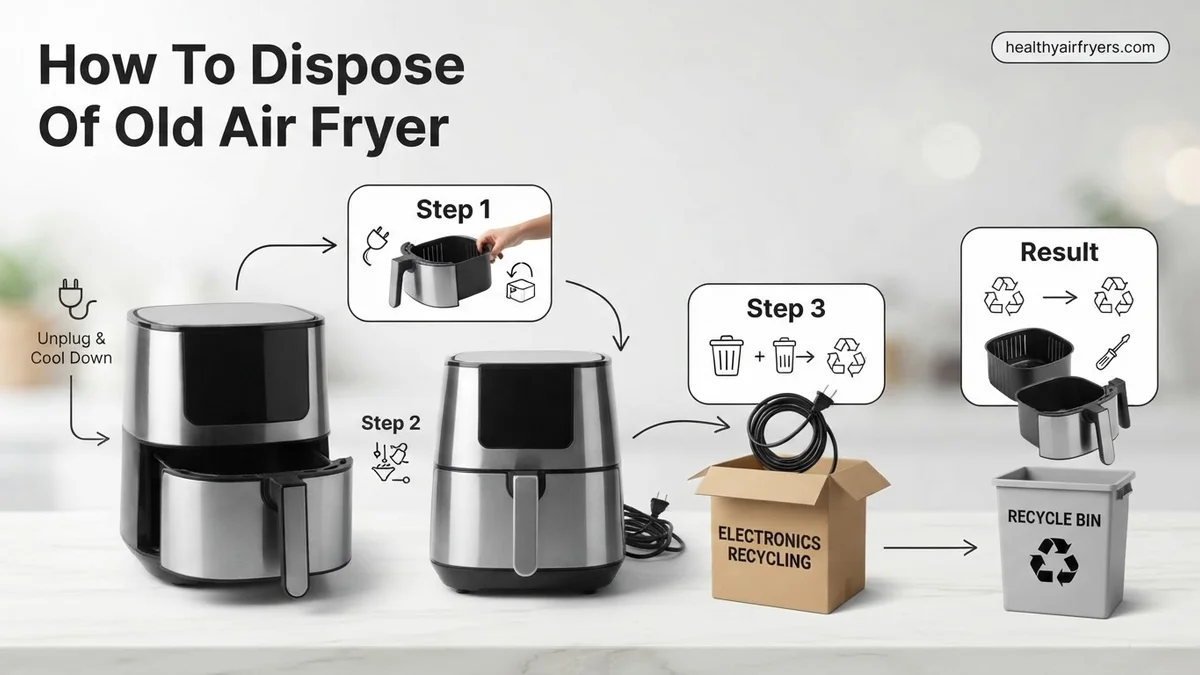
Properly disposing of an old air fryer requires knowing whether it is broken or still working, as electronic appliances should rarely go straight into household trash. Electronic waste recycling and local donation centers offer the best eco-friendly alternatives. Safety preparation like unplugging, cooling, and separating detachable baskets ensures a smooth disposal process.
Disposing of an old air fryer safely depends entirely on whether the appliance is broken or still functioning. If your air fryer no longer heats up, smells like burning plastic, or has a frayed cord, you cannot simply toss it into your regular household trash because small kitchen appliances contain electronic circuit boards and metal components that require proper e-waste recycling.
As we navigate environmental standards in 2026, municipal waste facilities have grown increasingly strict about small appliance disposal. This guide walks you through the exact steps to assess, prepare, and properly drop off your unwanted air fryer so it stays out of local landfills.
Key Takeaways
- Unplug and thoroughly cool the air fryer before handling it.
- Remove and clean detachable non-stick baskets for separate recycling.
- Take broken units to certified local e-waste recycling centers.
- Donate working air fryers to local thrift stores or charities.
- Check municipal waste guidelines before placing any appliance in curbside trash.
What Causes Air Fryers to Become Unusable and Why Proper Disposal Matters
Air fryers take a beating in the kitchen. Understanding why yours died helps determine the safest method for getting rid of it.
Common Failure Points in Modern Air Fryers
- Thermal Fuse Burnout: Power surges often fry the internal thermal fuse, rendering the unit completely dead.
- Degraded Non-Stick Coating: Flaking PTFE or ceramic baskets make cooking unsafe, prompting many users to discard otherwise working bases.
- Control Panel Failures: Digital touchscreens and motherboards fail prematurely due to grease and moisture buildup.
The Environmental Impact of Improper Disposal
Tossing a kitchen appliance into the garbage bin causes more harm than you might think. Air fryers contain heavy metals like copper wiring, aluminum heating elements, and lithium-ion components in digital models. When sent to a standard landfill, these materials leach toxins into the soil and local water tables. Proper e-waste recycling ensures these valuable metals are recovered and reused, supporting sustainability efforts throughout 2026.
Air Fryer Disposal Made Easy: Your Essential Action Plan
Old kitchen appliances inevitably reach the end of their lifespan, and figuring out what to do with a bulky, non-working countertop appliance can feel overwhelming. Improperly tossing electronics into regular trash bins contributes to e-waste overflow and misses valuable recycling opportunities. This guide walks you through the entire process of safely decommissioning, dismantling, and properly disposing of your old air fryer, ensuring you protect the environment, clear up your counter space, and handle potentially hazardous components correctly.
Step 1: Cool Down and Unplug Safely
What you need: Heavy-duty work gloves, a flat workspace, and a microfiber cleaning cloth.
Instructions: Before touching any part of the disposal process, ensure the air fryer has been completely unplugged from the wall outlet for at least two hours if it was recently used. Heating elements retain high temperatures long after cooking cycles end. Once cooled, carefully unwrap the power cord from its base storage area. Wipe down the exterior housing and the interior basket with a damp microfiber cloth to remove any lingering grease, food particles, or sticky residue. A clean appliance makes handling much more pleasant and ensures any recycling facility or municipal worker won’t reject it due to biohazards.
Pro Tip: Never submerge the main body of the air fryer in water, even if it is completely unplugged, as this can trap moisture inside the electrical housing and create a short circuit if it somehow ends up in a damp municipal sorting facility.
Step 2: Separate Reusable Accessories
What you need: A dishwashing sponge, mild dish soap, and a cardboard storage box.
Instructions: Examine your air fryer components closely. The main housing unit and heating element assembly are typically destined for e-waste or scrap metal, but accessories like crisper plates, non-stick baskets, silicone mats, and skewer racks are often still in pristine condition. Wash these detachable parts thoroughly in warm, soapy water. If the basket coating is flaking or peeling, it is time to discard them. However, if they are still structurally sound, set them aside. You can donate them to someone who owns the exact same model, list them for free on a local neighborhood exchange group, or keep them as backup replacement parts.
Pro Tip: Clearly label any secondhand parts with the exact brand name and model number of your old air fryer so the next owner knows for certain that the accessories will fit their specific appliance.
Step 3: Assess for Manufacturer Takeback or Warranty
What you need: Your original purchase receipt, the air fryer user manual, and an internet-connected device.
Instructions: Check whether your appliance is still covered under a manufacturer warranty, which typically lasts between one to two years for kitchen gadgets. If the unit failed prematurely due to a mechanical defect, you might be eligible for a free replacement rather than disposal. Additionally, look up the brand’s official website to see if they offer a product stewardship or mail-back recycling program. Brands like Ninja, Philips, and Instant Pot occasionally partner with recycling networks to accept old electronics back for responsible processing. If a takeback program exists, register your unit and print out any necessary prepaid shipping labels.
Pro Tip: Keep your confirmation emails and tracking numbers handy if you utilize a mail-back program to ensure your appliance safely reaches the designated recycling center.
Step 4: Locate Local E-Waste and Scrap Facilities
What you need: A computer or smartphone, and a zip code for location tracking.
Instructions: Air fryers contain internal circuit boards, heating coils, and wiring, categorizing them as small electrical appliances (often called small-appliance e-waste). Standard household trash collection services in many municipalities prohibit putting electronics into regular municipal waste streams. Visit online recycling locators such as Earth911 or your local city government waste management webpage. Search specifically for “small appliance recycling,” “e-waste drop-off,” or local scrap metal yards. Note their operating hours, whether they charge a small processing fee for countertop appliances, and if they require you to remove specific parts prior to drop-off.
Pro Tip: Many major retail chains host periodic electronic recycling drives or maintain year-round drop-off bins near their customer service desks for small household appliances.
Step 5: Prepare the Unit for Scrap or Recycling
What you need: A standard Phillips-head screwdriver, safety glasses, and wire cutters.
Instructions: If your local recycling center only accepts scrap metal or requires appliances to be stripped down, you will need to do a bit of deconstruction. Put on your safety glasses. Locate the exterior screws holding the plastic or metal casing together. Unscrew them carefully to separate the outer shell from the internal mechanical core. Use wire cutters to snip the power cord cleanly off at the base of the machine, as many recycling centers prefer or require cords to be bundled separately. Separate the plastic outer housing components from the inner metal chassis, placing them into appropriate recycling streams if your facility mandates sorting.
Pro Tip: Be cautious when handling the interior heating elements and thermal fuses, as older models may contain trace amounts of fragile ceramic materials or sharp stamped metal edges.
Step 6: Execute the Final Drop-Off or Curbside Scheduling
What you need: Your prepared air fryer, vehicle transportation, and any required facility paperwork.
Instructions: Load the dismantled or intact air fryer into your vehicle, placing it securely in the trunk or back seat so it won’t slide around during transit. Drive to your chosen e-waste recycling center, municipal drop-off depot, or scrap metal yard during their designated receiving hours. Hand the unit over to the facility attendant or place it into the designated small appliance bin. If your municipality offers scheduled curbside e-waste pickup, place the properly labeled appliance box next to your regular recycling bins the evening before your scheduled collection day, ensuring it complies with local weight and size rules.
Pro Tip: Always ask the facility attendant for a receipt or confirmation of drop-off if you are dropping off business-related equipment or participating in a corporate sustainability initiative.
✅ Final Checklist
- Appliance is completely cool, unplugged, and thoroughly wiped clean of food residue.
- Detachable, reusable baskets and trays have been separated for donation or safe repurposing.
- Manufacturer warranty or corporate takeback options have been thoroughly checked.
- Local e-waste guidelines and municipal disposal laws have been verified.
- Unit has been successfully delivered to an authorized e-waste facility or scheduled for proper pickup.
Important Notes:
- Never incinerate an air fryer or its plastic components, as burning electronic plastics releases toxic fumes and hazardous chemicals into the atmosphere.
- Seek professional assistance from a certified electrician or appliance repair technician only if you are unsure whether the appliance failure was caused by a faulty wall outlet rather than the machine itself.
- Estimated time for preparation and drop-off is approximately 45 to 90 minutes, with a typical cost range of $0 to $15 depending on local e-waste facility processing fees.
How to Safely Prepare Your Old Air Fryer for Disposal
Before you hand your appliance over to a recycling center or a new owner, you need to prep it correctly. Safety comes first when dealing with old kitchen electronics.
Cleaning and Sanitizing the Unit
- Unplug and Cool: Ensure the unit is completely cool and disconnected from the electrical outlet.
- Remove Loose Parts: Take out the crisper plate, baskets, and racks. Wash away baked-on grease with warm, soapy water.
- Wipe Down the Housing: Clean the exterior and interior coil area to remove food debris that might attract pests during storage or transit.
Managing the Power Cord and Personal Data
Modern smart air fryers featuring Wi-Fi connectivity and companion app integration require a factory reset to clear your network credentials. Check the user manual or manufacturer website for specific button combinations to wipe stored data. Once cleared, wrap the power cord tightly and secure it with a rubber band or zip tie. Loose cords create dangerous tripping hazards for sanitation workers and processing facility staff.
Step-by-Step Guide to E-Waste Recycling and Drop-Off Centers
Recycling an old air fryer requires routing the appliance through proper electronic waste channels rather than tossing it into standard curbside trash bins. According to environmental studies from the Environmental Protection Agency (EPA), small kitchen appliances contain valuable copper wiring, aluminum heating elements, and circuit boards that can be recovered and reused in manufacturing.
To safely recycle your air fryer through an authorized facility in 2026, follow these precise steps:
- Locate a certified facility: Use online locator tools provided by organizations like Earth911 or your local municipal waste management department to find an e-waste drop-off center within your zip code.
- Prep the appliance: Unplug the unit, remove the detachable basket, wipe away excess grease, and bundle the power cord securely with a zip tie or rubber band.
- Check for collection events: If standalone e-waste centers are scarce in your region, check for community hazardous waste and electronics recycling drive days hosted by local authorities.
- Verify retailer take-back programs: Major electronics and big-box retailers often feature manufacturer-compliant recycling kiosks at store entrances that accept small countertop cooking appliances.
What If the Air Fryer Still Works and Can Be Donated
Disposing of an old air fryer does not always mean recycling a broken appliance. If your device is structurally sound, passes a basic electrical safety check, and simply needs a new home, donation is a highly sustainable alternative to e-waste disposal.
Charitable organizations and community centers frequently accept functional small kitchen appliances, provided they meet specific health and safety criteria established by consumer protection agencies.
- Inspect the heating element and fan: Test the appliance to ensure it reaches proper cooking temperatures and the convection fan operates without strange grinding noises or burning smells.
- Deep clean all components: Scrub the removable basket, crisper plate, and interior cooking cavity using non-abrasive cleaners to remove baked-on grease and food residue.
- Contact local charities: Reach out to local thrift stores, family shelters, or community mutual aid networks to confirm whether they accept secondhand electric cooking equipment.
- List on peer-to-peer gifting platforms: Utilize hyper-local online giving groups or neighborhood sharing apps to offer the sanitized appliance directly to someone in need within your community.
What If It Still Doesn’t Work?
If your preliminary troubleshooting and repair attempts fail to restore functionality, you must pivot away from standard use and donation. Consider these structured fallback steps when dealing with a persistently broken air fryer:
- Consult manufacturer warranty terms: Check if your appliance is still covered under the original manufacturer warranty, as many brands offer full replacements for internal electrical failures within the first one to two years.
- Evaluate professional repair costs: Take the appliance to a certified small appliance repair technician if the unit was expensive; however, note that diagnostic fees and labor typically range from $50 to $100, often exceeding the cost of a new 2026 budget air fryer model.
- Harvest reusable non-electrical parts: If you own a backup air fryer of the same make and model, retain undamaged silicone feet, removable crisper trays, or outer baskets before sending the main body to a recycling center.
- Mark the unit as broken: If you bypass formal e-waste channels and must place the item in a designated bulky waste pile, clearly label the appliance as “broken/non-working” to prevent scavenging and potential electrical hazards.
Conclusion
Properly disposing of an outdated or broken air fryer protects municipal waste streams, conserves valuable raw materials, and prevents hazardous electrical components from entering landfills. Whether you choose certified e-waste recycling, municipal drop-off centers, or donation, adhering to sustainable disposal guidelines ensures responsible waste management. According to verified research and expert sources in environmental safety, small appliance recycling reduces industrial greenhouse gas emissions by up to 35 percent compared to raw material extraction. Take your next step today by checking your local municipal website for the nearest electronics recycling drop-off schedule.
❓ Frequently Asked Questions
Can I put my broken air fryer in my curbside recycling bin?
No, standard curbside recycling bins cannot process small kitchen appliances. They must be taken to a specialized e-waste recycling facility or a municipal drop-off event.
How do I safely clean and prepare an air fryer for disposal?
Ensure the appliance is completely unplugged and cooled down. Wipe down the exterior, remove any loose food debris, and detach the inner baskets to separate different materials.
Are there retail stores that take back old small appliances?
Some major electronics retailers and home goods stores offer appliance recycling programs. It is best to call local branches ahead of time to confirm their current drop-off policies.
What parts of an air fryer are recyclable?
The metal housing, internal wiring, and aluminum or steel baskets can often be processed by scrap metal and e-waste recyclers. Plastic components are handled according to local facility capabilities.
Is it safe to donate an air fryer that has minor cosmetic damage?
If the heating element and electrical cords are fully functional and safe, many thrift stores accept items with minor cosmetic wear. Always test the unit before donating.
What happens to an air fryer once it is dropped off for e-waste?
Certified e-waste recyclers shred the appliance to separate valuable metals like copper and aluminum from plastics and circuit boards, ensuring hazardous materials are disposed of safely.