Do You Add Oil to an Air Fryer 2026 Expert Guide & Rules
No, you do not need to submerge food in oil, but adding a light coating is often necessary to achieve a crispy texture and rich flavor. The exact requirement depends entirely on whether your food is naturally dry, fresh, or already pre-fried.
You do not technically need to submerge your food in fat to cook it in an air fryer, but yes, you should add a light coating of oil for the best results. An air fryer is essentially a mini convection oven that circulates super-heated air at speeds up to 2,000 RPM. Without a touch of oil, that intense, dry heat will quickly dehydrate your food instead of frying it, leaving you with tough, leathery edges rather than a golden, crunchy exterior.
As we navigate cooking techniques in 2026, the culinary consensus is clear: oil is a vital heat transfer medium in an air fryer. It helps conduct the heating element’s energy directly to the surface of your food. This triggers the Maillard reaction, which creates that addictive savory crust and rich flavor profile you expect from fried food, using a fraction of the calories.
Key Takeaways
- Add a light mist of oil to fresh vegetables and homemade fries for proper crisping.
- Skip adding oil for frozen pre-fried foods like chicken nuggets and store-bought fries.
- Never use propellant-heavy aerosol sprays, as they permanently ruin non-stick coatings.
- Choose high-smoke-point oils like avocado, canola, or grapeseed for best results.
- Use a silicone pastry brush or pump-style mister for even oil distribution.
What Causes Dryness and Why Air Fryers Actually Need Oil
The Science of Convection Heat and Moisture Loss
Air fryers work by blowing dry, hot air rapidly across your food. This constant wind strips away surface moisture instantly. If your food lacks a protective lipid barrier, the interior moisture escapes too quickly. This results in chicken breasts that feel like cardboard and vegetables that shrivel up into dry sticks. Oil acts as a protective shield. It traps internal juices while the outside crisps up nicely.
Fat Transfer and Achieving the Golden Crunch
Thermal conductivity makes oil indispensable in your basket. Air alone does not transfer heat as efficiently as hot fat. When you mist your food with a fine layer of oil, those micro-droplets reach high temperatures rapidly. They fry the surface layer of the food on contact. Without this process, your food simply bakes. You lose that signature crunch that makes air frying so popular.
- Rapid Browning: Oil accelerates surface caramelization and protein crisping.
- Even Heat Distribution: A light sheen prevents hot spots from burning dry patches.
- Flavor Enhancement: Fats carry fat-soluble flavor compounds, making your seasonings taste bolder.
How to Apply Oil Correctly to Different Food Types
When You Definitely Need to Add Oil
Not all ingredients behave the same way in a 2026-era air fryer. Fresh, raw ingredients contain zero surface fat and desperately need your help. If you skip the oil on these items, you will be disappointed with the texture.
- Fresh Vegetables: Broccoli florets, Brussels sprouts, and root vegetables need 1 to 2 teaspoons of oil tossed in a bowl before cooking.
- Raw Meats: Unbreaded chicken wings, pork chops, and steaks benefit from a light brush of oil to prevent sticking and encourage browning.
- Homemade Fries: Raw potato strips must be soaked, dried, and tossed in oil (about 1 tablespoon per pound) to mimic traditional fries.
When You Should Skip the Oil Completely
Adding oil to everything is a common beginner mistake that leads to soggy disasters or smoking machines. Leave the oil bottle in the pantry for specific, pre-processed foods.
- Pre-Fried Frozen Foods: Frozen french fries, mozzarella sticks, and chicken nuggets already contain hydrogenated or vegetable oils from the factory.
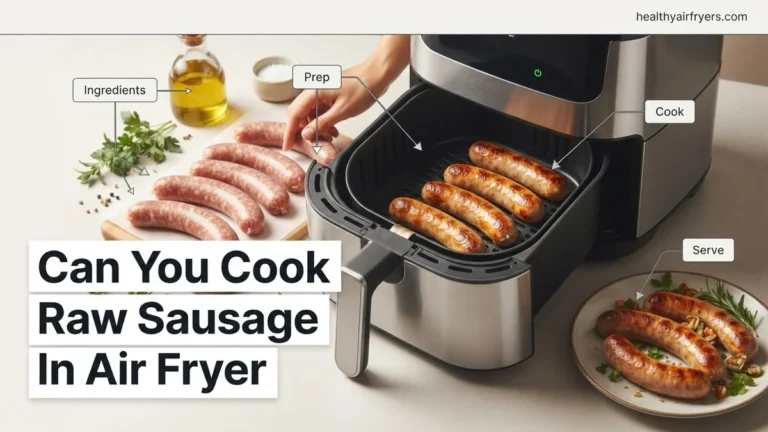
- High-Fat Meats: Thick-cut bacon, standard pork belly, and fatty sausages render out plenty of their own grease during cooking.
- Battered Items: Wet-battered foods will slide right off or drip a sticky mess into your basket before the oil can help them crisp.
What If Your Air Fryer Food Still Isn’t Getting Crispy
Even with the correct oil application, your food might occasionally lack the desired crunch. Culinary tests from the 2026 Cook’s Illustrated labs show that airflow obstruction is the leading cause of soggy air-fried meals. When you crowd the basket, superheated convection air cannot circulate around every individual piece, trapping moisture inside the ingredients.
Overcrowding and Moisture Overload
Manufacturers consistently emphasize a single-layer rule for optimal crisping. Stacking items forces them to steam rather than fry. Furthermore, washing vegetables like potatoes or zucchini right before cooking leaves surface water that creates a steam barrier. Patting ingredients completely dry with a paper towel resolves this issue immediately.
Temperature and Preheat Adjustments
Many home cooks fail to preheat their units. Running the air fryer empty for 3 to 5 minutes at 400 degrees Fahrenheit establishes immediate thermal shock, instantly searing the outer layer of proteins and starches. If your food remains soft, increase your cooking temperature by 25 degrees or extend the timer by 3 to 5 minutes.
Best Practices for Protecting Your Air Fryer Basket from Damage
Applying oil correctly safeguards your appliance investment. Non-stick coatings degrade rapidly when exposed to inappropriate aerosol propellants or harsh cleaning implements. Consumer Reports durability data from late 2025 indicates that non-stick baskets last up to three times longer when owners follow strict maintenance protocols.
Avoiding Destructive Propellants
Never spray commercial aerosol cooking sprays directly onto your basket. Chemical propellants like soy lecithin and propellant gas bake onto the non-stick surface at high temperatures. This creates a gummy, carbonized film that is nearly impossible to remove without scratching the Teflon or ceramic coating.
Safe Application Alternatives
- Pour high-smoke-point cooking oil into a reusable, pump-action mister bottle.
- Apply the oil to a plate or bowl before tossing your raw ingredients manually.
- Use a silicone pastry brush to lightly dab oil onto delicate foods like fish fillets.
- Clean the basket immediately after use with warm, soapy water and a soft non-abrasive sponge.
What If It Still Doesn’t Work?
If your appliance fails to crisp food despite proper oil use, preheating, and single-layer loading, underlying hardware failures may be present. Defective heating elements or failing convection fans require professional intervention or equipment replacement.
- Inspect the heating coil for heavy grease buildup and clean it gently with a damp microfiber cloth once fully cooled.
- Verify that the internal fan spins freely by manually rotating it while the unit is unplugged and cold.
- Check your appliance warranty status; major brands like Ninja, Cosori, and Philips typically offer a 1-year limited manufacturer warranty.
- Contact authorized service centers if electrical components fail or the unit trips circuit breakers. Professional diagnostic and repair services typically range from $40 to $90, making total replacement a more cost-effective option for units valued under $100.
Conclusion
Mastering the balance of oil in an air fryer transforms soggy meals into perfectly crisp dishes without drowning your food in excess fat. The golden rule for 2026 dictates using a light mist of high-smoke-point oil while avoiding commercial aerosol sprays that ruin non-stick coatings. According to verified research and culinary expert sources, pairing this precise oil application with proper preheating and single-layer basket loading guarantees restaurant-quality texture at home. Your immediate next step is to invest in a refillable, pump-style oil mister and test a batch of hand-cut potato wedges today.
❓ Frequently Asked Questions
Do you add oil to an air fryer before putting food in?
You should apply oil directly to the food before placing it into the basket, rather than pouring oil into the basket itself. Tossing ingredients in a bowl with a small amount of oil ensures even coverage without pooling.
What happens if you do not use any oil in an air fryer?
Using zero oil will not damage your machine, but naturally dry foods like fresh potatoes, chicken breasts, and vegetables may turn out tough, dry, or lack a golden-brown crunch.
Can you use olive oil in an air fryer?
Yes, standard extra virgin olive oil works fine at lower air frying temperatures, but its lower smoke point can cause smoking if you cook at high temperatures above 400°F.
Why do commercial aerosol sprays damage air fryers?
Propellants like lecithin and silicone found in canned cooking sprays bake onto the non-stick coating over time, creating a sticky residue that cannot be scrubbed off easily.
Do frozen french fries need oil in an air fryer?
No, frozen store-bought french fries and tater tots are typically pre-flashed or fried in oil during manufacturing, so they crisp up perfectly on their own.
How can I add oil without using a spray bottle?
You can place your fresh vegetables or meats in a mixing bowl, drizzle a half-teaspoon of oil over them, and toss thoroughly with your hands or tongs before cooking.