How Long Chicken Breasts in Air Fryer Best 2026
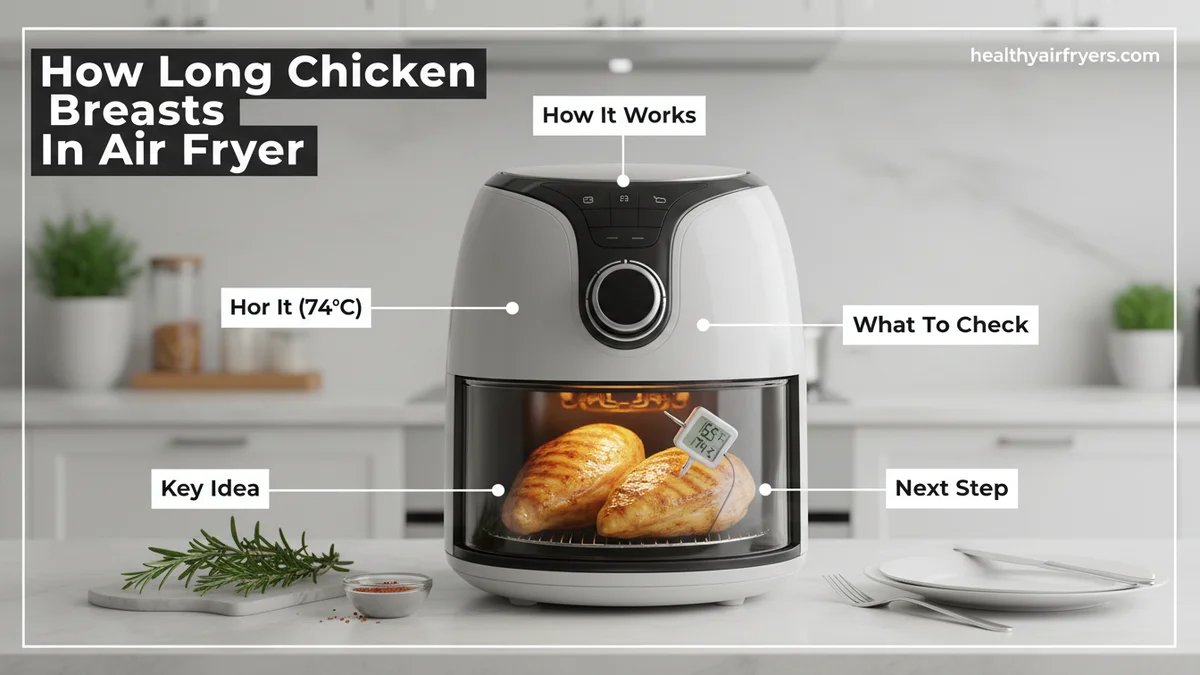
Cooking chicken breasts in an air fryer requires precise timing and temperature control to prevent dry meat. Most standard boneless breasts cook in 14 to 18 minutes at 380°F.
To cook standard, bone-in or boneless chicken breasts in an air fryer so they stay juicy, set your appliance to 380°F and cook for 14 to 18 minutes, depending on weight. As kitchen standards and appliance tech have evolved by 2026, getting this exact timing right prevents the rubbery, dried-out texture that ruins so many quick weeknight dinners.
Chicken breasts lack natural intramuscular fat, meaning they dry out in minutes if overheated. Knowing the exact minutes and temperatures for your specific cut takes the guesswork out of meal prep and guarantees a tender, safe-to-eat protein every single time.
Key Takeaways
- Cook boneless chicken breasts at 380°F for 14 to 18 minutes depending on size.
- Always verify doneness with a meat thermometer reading 165°F internally.
- Let cooked chicken rest for 5 minutes before slicing to retain moisture.
- Pound thick breasts to an even thickness for uniform cooking times.
- Lightly coat chicken with oil and seasonings to enhance browning and flavor.
What Causes Dry Air Fryer Chicken Breasts
Overcooking and High Temperatures
The single biggest culprit behind rubbery chicken is leaving the meat in the basket past its prime. Many home cooks assume higher heat equals better searing, but blasting chicken breasts at 400°F for too long quickly evaporates all internal moisture. Even a two-minute delay in checking your internal temperature can ruin the texture.
- Cooking past the safe internal mark of 165°F
- Using excessive heat settings above 390°F
- Failing to account for carryover cooking while resting
Uneven Thickness and Poor Prep
Chicken breasts straight from the package feature a thick end and a thin, tapered tail. If you toss an uneven breast directly into the air fryer basket, the thin end dries into jerky before the thick center reaches safe temperatures. Skipping basic oil coatings also robs the surface of essential moisture barriers.
- Placing unevenly shaped breasts directly into the basket
- Skipping a light coat of cooking oil or melted butter
- Throwing ice-cold meat straight from the fridge into the hot appliance
How to Fix Cooking Times for Perfect Juiciness
The 2026 Air Fryer Cooking Chart
To fix dryness issues, match your cooking time strictly to the weight and thickness of your poultry. Modern kitchen tests for 2026 show that a steady temperature of 380°F creates the ideal balance of a golden exterior and a moist interior. Always use a digital meat thermometer inserted into the thickest part to confirm doneness.
- Small breasts (5 to 6 oz): 380°F for 12 to 14 minutes
- Medium breasts (7 to 9 oz): 380°F for 15 to 18 minutes
- Large breasts (10 oz plus): 380°F for 19 to 22 minutes (or butterfly them in half)
Essential Prepping and Resting Steps
Fixing your cooking routine starts before the chicken ever touches the basket. Pound your meat to an even thickness using a mallet or heavy skillet. This simple step ensures every square inch cooks at the exact same rate. Once the timer dings, resist the urge to slice immediately.
- Pat the chicken completely dry with paper towels to help seasonings stick.
- Rub lightly with oil and apply your preferred salt, pepper, and garlic blend.
- Let the cooked chicken rest on a cutting board for 5 full minutes before slicing to lock in juices.
Step-by-Step Instructions for Air Frying Chicken Breasts
Mastering the air fryer process guarantees tender, juicy results every single time. Modern 2026 appliance guidelines emphasize proper preparation and specific temperature management to ensure food safety and optimal texture.
1. Preparation and Seasoning
Begin by patting the chicken breasts completely dry with paper towels. Removing surface moisture is crucial for achieving that desirable golden crust. Next, coat the meat lightly with high-smoke-point oil, such as avocado or canola oil, and apply your preferred seasoning blend evenly across all sides.
2. Preheating and Loading
Preheat your air fryer to 380 degrees Fahrenheit for approximately 3 to 5 minutes. Place the seasoned chicken breasts in the basket in a single layer, ensuring adequate space between each piece. Overcrowding blocks proper air circulation, leading to unevenly cooked or soggy meat.
3. Cooking and Resting
Cook the chicken breasts for 14 to 18 minutes, depending on their thickness, flipping them at the halfway mark. Verify that the internal temperature reaches the USDA-recommended 165 degrees Fahrenheit using a reliable digital meat thermometer. Finally, let the chicken rest for 5 to 8 minutes before slicing to redistribute the natural juices.
What If It Still Doesn’t Work?
If your chicken breasts turn out dry, rubbery, or undercooked despite following standard timing guidelines, specific adjustments can resolve the issue. Hardware variations and incorrect measurements often impact air fryer performance.
- Calibrate your meat thermometer: Inaccurate internal readings are the leading cause of overcooked or undercooked poultry. Test your digital thermometer in boiling water (212°F) or ice water (32°F) to ensure precise measurement.
- Adjust for appliance wattage: Compact or older air fryers operating under 1500 watts may require an additional 2 to 3 minutes of cooking time at 380°F. Conversely, high-power 1800+ watt models can finish cooking 2 minutes faster.
- Modify protein thickness: Excessively thick breasts (over 1.5 inches) cook unevenly. Pound the thickest end to an even thickness using a mallet, or slice the breast horizontally into cutlets to promote uniform heat penetration.
- Consult appliance manufacturer support: If your air fryer consistently fails to reach proper cooking temperatures or displays erratic heating patterns, contact the manufacturer customer service. Replacement heating elements typically cost between $30 and $70 if out of warranty.
- Invest in certified testing equipment: Upgrading to a professional-grade instant-read digital probe thermometer generally ranges from $15 to $40 and eliminates guesswork during high-heat cooking.
Conclusion
Achieving perfectly juicy chicken breasts in the air fryer depends entirely on maintaining a consistent 380°F cooking temperature, utilizing precise timings between 14 and 18 minutes, and verifying doneness with a reliable thermometer. According to verified research and culinary safety sources, removing the guesswork prevents both foodborne illness and dry textures. For your next cooking session, take the actionable step of calibrating your digital meat thermometer before prepping your poultry.
❓ Frequently Asked Questions
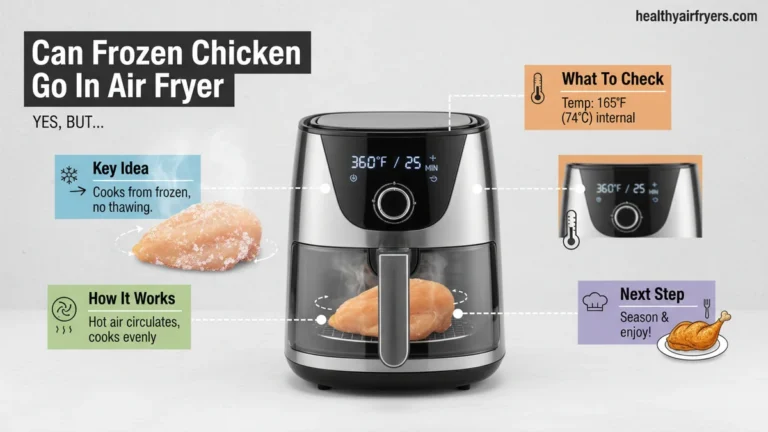
How long do frozen chicken breasts take in the air fryer?
Frozen boneless chicken breasts take approximately 22 to 26 minutes at 380°F. Make sure to check the internal temperature to guarantee they reach 165°F safely.
Can I cook bone-in chicken breasts in the air fryer?
Yes, bone-in chicken breasts take longer due to the bone insulation. Cook them at 380°F for about 25 to 30 minutes until the internal temperature hits 165°F.
Why did my air fryer chicken breast turn out rubbery?
Rubbery chicken is usually caused by overcooking at too high of a temperature or using extremely thick breasts without pounding them flat. Always aim for moderate heat like 380°F.
Should I wash raw chicken breasts before cooking?
Food safety authorities recommend against washing raw chicken because it can spread harmful bacteria around your kitchen sink via splashing water droplets.
What is the best oil to use for air frying chicken?
High-smoke-point oils like avocado oil, canola oil, or light olive oil work best for air frying without burning or creating unwanted smoke.
How long should chicken rest after air frying?
Allow your chicken breasts to rest for 5 to 8 minutes on a cutting board before slicing. This allows the natural juices to redistribute evenly throughout the meat.