Is Silicone Safe in Air Fryer Expert Guide for 2026
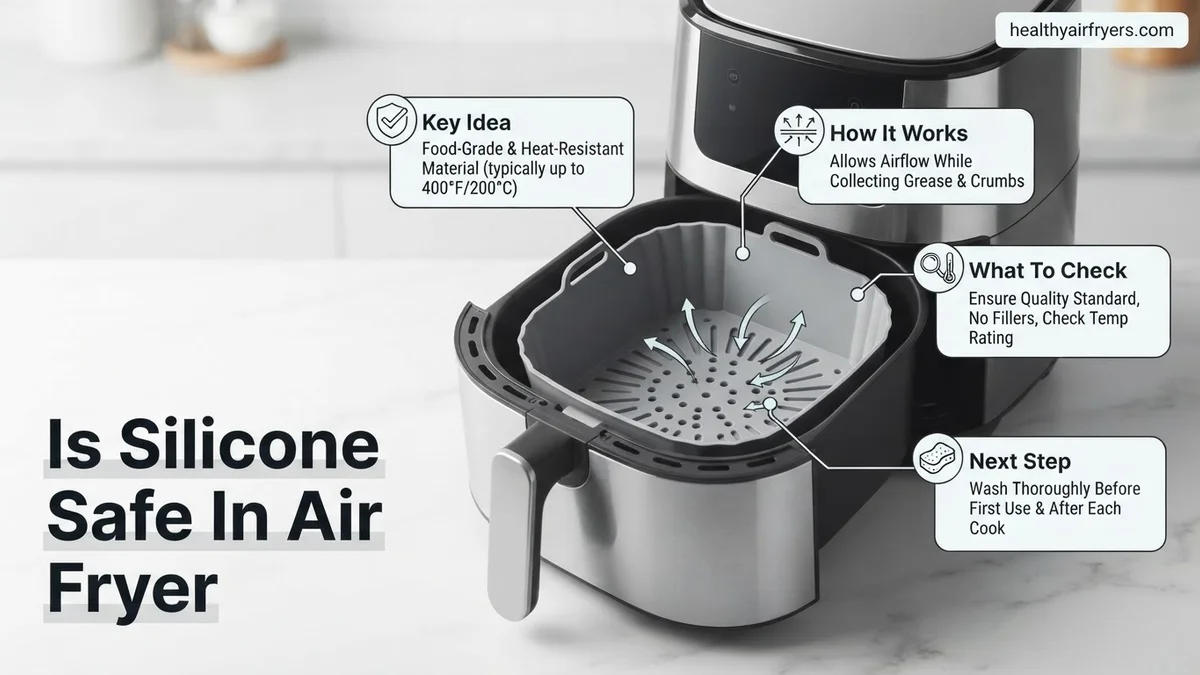
Yes, food-grade silicone is generally safe to use in an air fryer as long as it meets strict safety standards and stays within its temperature limits. However, low-quality silicone containing fillers can degrade, melt, or leach harmful chemicals at high heat. Always check for FDA or LFGB certifications before use.
Yes, food-grade silicone is generally safe to use in your air fryer, provided it is 100% pure, rated for high heat, and manufactured to strict regulatory standards. As home cooks increasingly rely on reusable silicone liners and baskets for easy cleanup in 2026, understanding the actual thermal limits of these accessories is critical for safe food preparation.
The core safety factor comes down to chemical stability at high temperatures. While quality silicone withstands the intense, circulating heat of a modern air fryer, cheap or contaminated products can break down, release noxious fumes, or leach unwanted chemicals directly into your meals. Knowing the difference between safe cookware and hazardous knockoffs protects your health and your appliance.
Key Takeaways
- High-quality, food-grade silicone is safe for standard air frying temperatures.
- Ensure your silicone accessories do not exceed the 425°F–450°F heat threshold.
- Look for FDA-approved or LFGB-certified labels to guarantee product purity.
- Keep silicone liners safely away from direct contact with heating elements.
- Inspect cookware regularly for cracks, sticky residue, or signs of chemical degradation.
What Causes Safety Risks When Using Silicone in an Air Fryer
Exceeding Maximum Temperature Thresholds
Every piece of silicone cookware has a strict upper temperature limit, usually ranging between 425°F and 450°F (218°C to 232°C). Air fryers circulate dry, rapid heat that can easily spike past your set temperature right next to the heating element. If you push silicone past its rated threshold, the polymer matrix begins to degrade.
- Thermal breakdown can cause the silicone to melt, warp, or become sticky.
- Degraded silicone may release volatile cyclic siloxanes and unpleasant chemical odors.
- Direct contact with open heating coils will instantly scorch and ruin standard silicone liners.
Low-Quality Materials and Chemical Fillers
Not all silicone is created equal. Budget-friendly or unbranded air fryer accessories often use low-grade industrial silicone mixed with cheap chemical fillers like plasticizers, clay, or peroxide catalysts to cut manufacturing costs.
- Cheap fillers drastically lower the heat resistance and structural integrity of the product.
- Unstable fillers can break down under normal cooking temperatures, releasing harmful VOCs.
- Pinch tests often reveal cheap fillers; if a white line appears when you twist the silicone, it likely contains non-silicone additives.
How to Identify and Verify Safe Food-Grade Silicone Products
Checking Certifications and Regulatory Standards
When shopping for air fryer liners in 2026, you cannot rely solely on marketing terms like “eco-friendly” or “heat-resistant.” You need verifiable compliance certifications that prove the product has passed rigorous migration and purity testing.
- Look for explicit FDA approval, which means the material complies with US food-contact regulations.
- Prioritize products meeting the stricter LFGB standard used in Europe, which requires more rigorous testing for chemical leaching and volatile organic compounds.
- Ensure the product packaging or manufacturer specifications explicitly state “100% food-grade silicone” with no hidden blends.
Practical Physical Tests for Purity
You can perform a few simple physical assessments at home to verify whether your silicone air fryer accessories are safe for high-heat cooking.
- The Twist Test: Twist the silicone liner firmly. If the color turns white or lighter at the stretch points, it contains cheap plastic fillers and should be discarded.
- The Odor Test: High-quality, pure silicone is odorless. If your liner smells heavily of chemicals, rubber, or plastic right out of the box, it is not safe for food use.
- The Burn Test (Advanced): Pure silicone burns into a fine white or grey ash without producing toxic black smoke or a strong burning plastic odor.
Step-by-Step Guide to Safely Using Silicone Liners in Your Air Fryer
Maximizing the lifespan of your silicone accessories requires adhering to strict operational protocols established by safety regulators. Following proper setup and usage procedures prevents degradation and ensures food safety standards are met.
1. Verify Temperature Thresholds Before Preheating
Check the embossed temperature rating on the underside of your silicone accessory. Most food-grade items withstand up to 446°F (230°C), but running your air fryer empty during preheating can cause localized heating spikes that exceed this limit. Always place food inside the silicone liner before starting the cooking cycle to act as a heat sink.
2. Position for Optimal Airflow
Air fryers rely on rapid convection currents to cook food evenly. Ensure your silicone liner does not block the heating element or press tightly against the fan housing. Leave at least a one-inch gap around the perimeter of the basket to maintain proper air circulation and prevent burning.
What If Your Silicone Accessories Melt or Fail Quality Checks
Even high-grade culinary silicone can fail prematurely due to manufacturing defects, chemical degradation, or extreme thermal shock. If you notice structural compromise, take immediate action to protect your appliance and your health.
- Cease Use Immediately: Turn off the air fryer, unplug the unit, and allow the interior to cool completely before touching the compromised silicone accessory.
- Inspect for Chemical Residue: Check your food for any sticky residue, discoloration, or unusual odors. Discard any food that was in direct contact with degraded or melted silicone.
- Assess the Appliance Interior: Clean the air fryer basket thoroughly with warm soapy water to remove any silicone transfer. If silicone has fused directly onto the heating element, do not attempt to scrape it off with metal utensils.
- Consult Manufacturer Support: Reach out to the accessory manufacturer for warranty claims, or contact a certified appliance repair technician if the heating element is permanently damaged. Professional appliance cleaning and part replacement typically range from $75 to $150 depending on the severity of the damage.
Conclusion
Ensuring the safe use of silicone in your air fryer comes down to verifying 100% food-grade certifications, respecting maximum temperature thresholds of 446°F (230°C), and maintaining proper airflow. According to verified research and expert safety sources, adhering to these manufacturing guidelines eliminates chemical leaching risks and prevents thermal failure. For your next step, inspect your current kitchen accessories today and discard any unbranded or heat-damaged silicone items immediately.
❓ Frequently Asked Questions
Is silicone toxic when heated in an air fryer?
Pure, food-grade silicone is chemically inert and non-toxic at normal cooking temperatures. Toxicity risks only arise when using cheap products containing plastic fillers that break down under heat.
What is the difference between FDA and LFGB silicone certifications?
FDA testing focuses primarily on basic safety standards for food contact in the United States. LFGB is a stricter European standard that also tests for chemical extractability, making LFGB the gold standard for purity.
How can I prevent silicone air fryer liners from melting?
Always preheat your air fryer safely before adding lightweight liners, as empty liners can blow upward into the heating elements. Keep cooking temperatures below the manufacturer’s maximum specified limit.
Does silicone affect cooking times in an air fryer?
Thick silicone bowls or mats can slightly block airflow around the food, potentially increasing cooking times by a minute or two. Perforated liners help maintain proper air circulation.
How should I clean and maintain air fryer silicone accessories?
Wash silicone items thoroughly with warm, soapy water after every use or place them in the dishwasher. Avoid using abrasive scrubbing pads that can scratch the surface and trap oils.
When should I throw away my air fryer silicone liner?
Discard any silicone item that exhibits deep cracks, permanent discoloration, a greasy sticky residue that won’t wash off, or any strong chemical odors after washing.