
Is Silicone Safe for Air Fryer: Essential Facts You Need to Know
Are you wondering if silicone accessories are safe to use in your air fryer? You’re not alone.
Many people want to enjoy the convenience of air frying but worry about the materials they use inside the basket. Silicone has become popular for its flexibility and non-stick qualities, but is it truly safe when exposed to high heat?
Knowing the answer can protect your health and keep your air fryer working perfectly. Keep reading to find out everything you need to know about using silicone with your air fryer—and make the best choice for your kitchen.

Credit: www.amazon.eg
Silicone Basics
Silicone is a popular material in many kitchens today. It offers flexibility and heat resistance. People trust it for cooking and baking tools. Understanding the basics helps you use silicone safely in air fryers.
This section explains what silicone is and its common kitchen uses. Knowing these facts can help you decide if silicone fits your air fryer needs.
What Is Silicone?
Silicone is a synthetic material made from silicon, oxygen, and other elements. It is soft and flexible, yet strong enough to handle heat. Silicone can withstand temperatures from very low to very high. This makes it safe for most cooking appliances.
The material does not melt easily or release harmful chemicals under heat. It is also water-resistant and does not absorb odors. These features make silicone a good option for kitchen tools and bakeware.
Common Uses In The Kitchen
Silicone is used in many kitchen items. You find it in baking mats, spatulas, muffin cups, and oven mitts. Its non-stick surface helps food release easily without extra oil or butter.
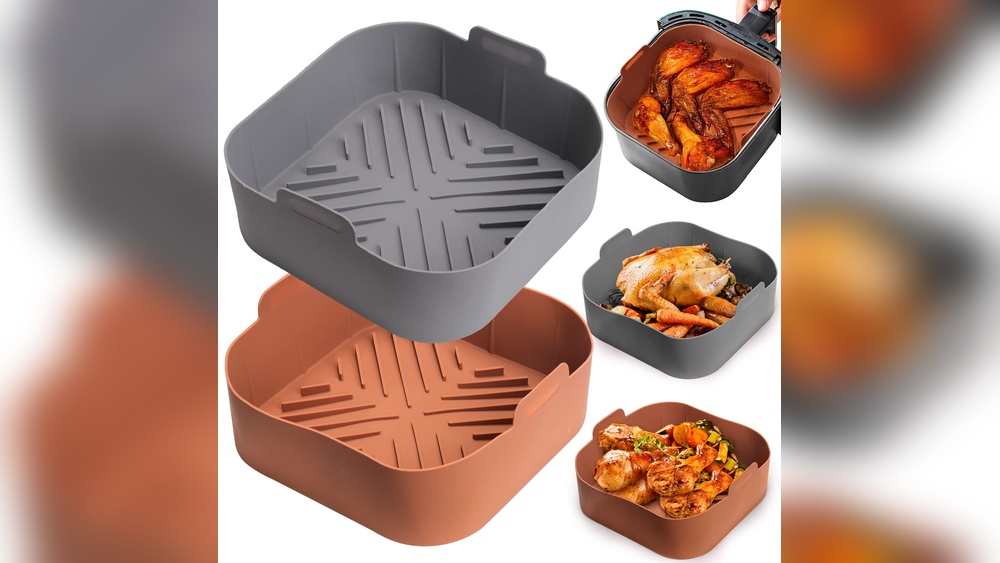
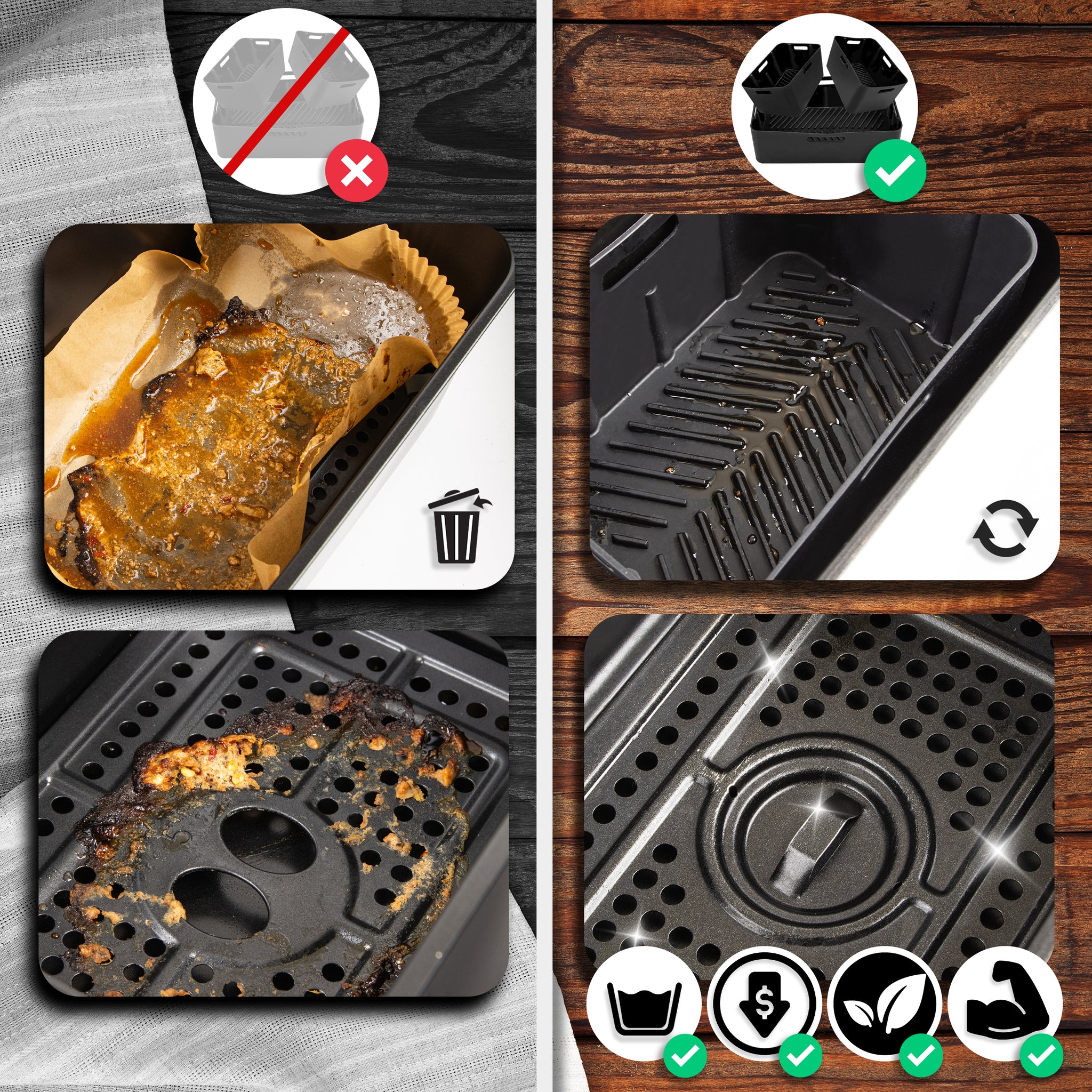
Many people use silicone to line trays or baskets in air fryers. It protects food and keeps the fryer clean. Silicone tools are easy to wash and last a long time.
Silicone And Heat Resistance
Silicone is popular in kitchens for its flexibility and safety. One key reason is its ability to resist heat well. This makes silicone a good choice for use with air fryers. Understanding how silicone reacts to heat helps users feel confident using it in air fryers.
Knowing the limits of silicone’s heat resistance is important. It ensures safe cooking and prevents damage to the material. This section explains how much heat silicone can handle and how it performs in air fryers.
Temperature Limits Of Silicone
Silicone can usually handle temperatures from -40°F to 446°F. Some high-quality silicone products can tolerate up to 500°F. Most air fryers cook food between 300°F and 400°F. This means silicone can safely be used in air fryers without melting or warping. It does not release harmful chemicals at these temperatures. This makes silicone a safe choice for cooking and baking in air fryers.
How Silicone Handles Air Fryer Heat
Silicone stays stable and flexible even when heated. It does not crack or become brittle. The material heats evenly, so food cooks well. Silicone also cools down quickly after cooking. It does not stick to food, which makes cleaning easier. Silicone’s heat resistance adds safety by preventing burns or fires. This makes it reliable for baking cups, mats, and liners used in air fryers.
Safety Concerns
Safety is a key concern for many when using silicone in air fryers. Silicone must withstand high heat without releasing harmful substances. Understanding potential risks helps you make smart choices for your kitchen.
Potential Chemical Leaching
Some worry silicone might release chemicals during cooking. Quality silicone is made to resist heat and chemicals. Poor-quality silicone can leach harmful substances when overheated. Always check the product’s heat tolerance before use. Avoid silicone that smells strong or looks sticky. These signs may mean unsafe materials inside.
Food Safety Certifications
Look for silicone products with clear food safety certifications. Certifications like FDA approval show the product meets safety rules. They ensure the silicone is free from harmful chemicals. Certified silicone is safer for cooking and baking. Always choose silicone with trusted safety labels to protect your health.
Credit: duronic.com
Using Silicone Accessories In Air Fryers
Silicone accessories can make air fryer cooking easier and more efficient. They come in many shapes and sizes. These tools help keep food from sticking and make cleanup faster. Silicone is flexible and heat-resistant, so it fits well inside the air fryer basket. Using the right silicone accessories can improve your cooking experience and protect your air fryer.
Types Of Silicone Accessories
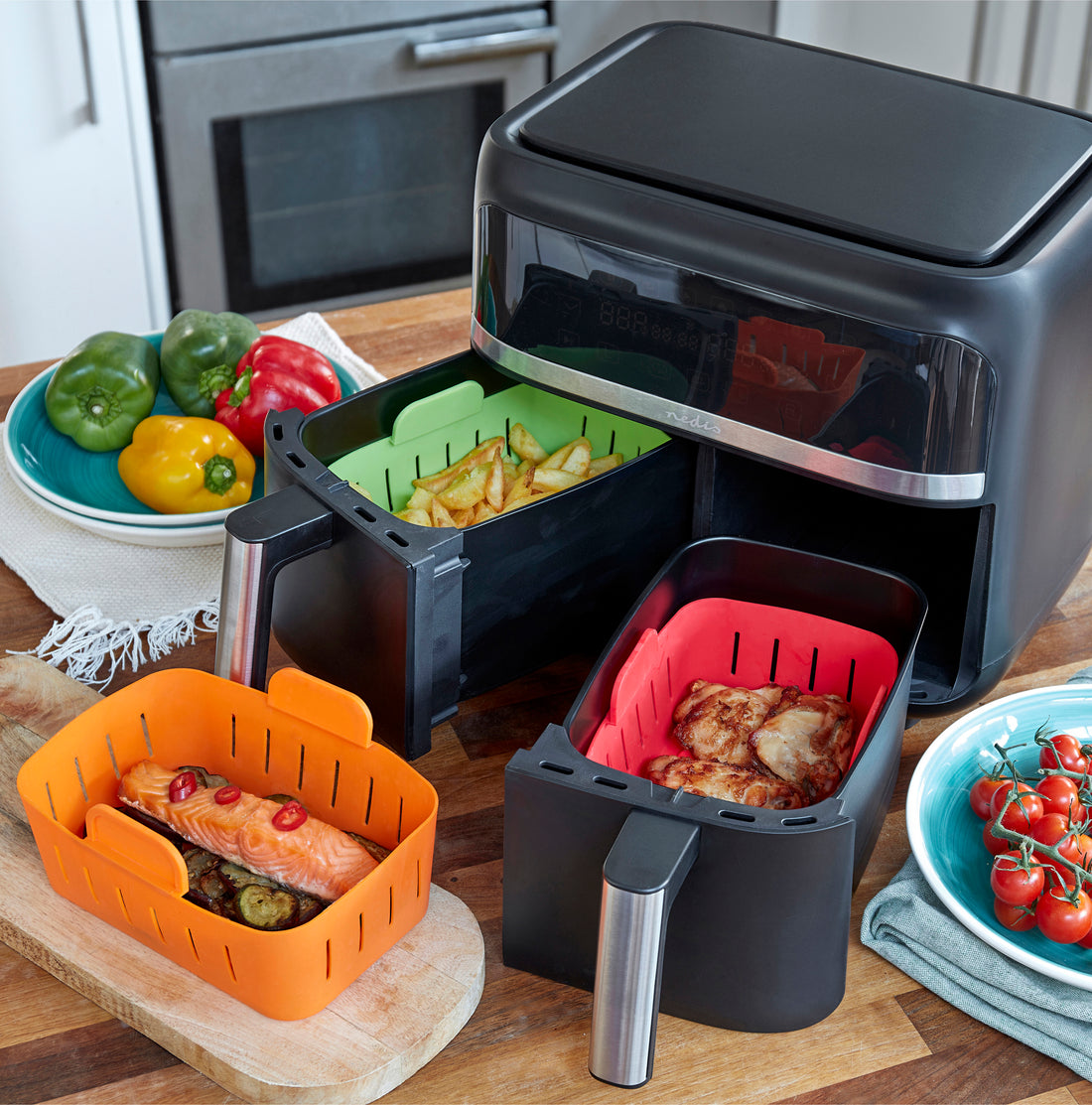
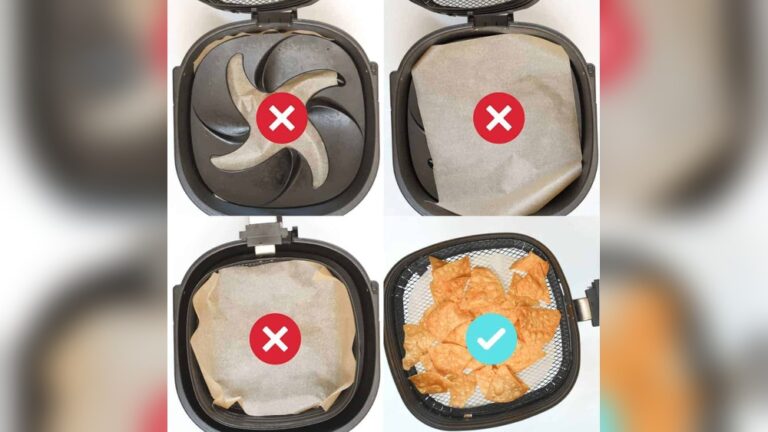
Silicone mats are popular for lining air fryer baskets. They prevent food from sticking and catch drips. Silicone muffin cups help make small treats or egg bites. Silicone tongs and brushes allow safe handling of hot foods. There are also silicone lids designed to cover food while cooking. Each accessory serves a different purpose but shares the benefit of easy cleaning.
Best Practices For Use
Check that the silicone accessory is rated for air fryer temperatures. Most silicone withstands heat up to 450°F. Avoid using damaged or torn silicone pieces. Place accessories flat inside the basket to allow proper air flow. Do not overcrowd the air fryer with too many accessories. Clean silicone tools with warm, soapy water after each use. This keeps them safe and ready for the next meal.
Comparing Silicone To Other Materials
Choosing the right material for air fryer accessories affects cooking and safety. Silicone stands out, but metal and plastic also remain popular. Comparing these materials helps understand their benefits and drawbacks. This guide breaks down silicone versus metal and plastic for air fryer use.
Silicone Vs Metal
Silicone is soft and flexible. It bends without breaking. Metal is rigid and strong. It holds shape well but can scratch non-stick surfaces.
Silicone resists heat up to 450°F, making it safe in air fryers. Metal gets very hot quickly. It may cause burns if touched without protection.
Cleaning silicone is easy. It does not rust or stain. Metal can rust if not dried properly. It may need special cleaners for tough stains.
Silicone is quieter. Metal can clang and make noise inside the air fryer. Silicone’s flexibility also means it fits various shapes better.
Silicone Vs Plastic
Plastic is lightweight and cheap. Silicone feels sturdier and lasts longer. Plastic can melt or warp under high heat.
Silicone handles high temperatures safely. Plastic parts may release harmful chemicals when heated. This risk makes silicone safer for cooking.
Silicone is non-stick and easy to clean. Plastic can stain and hold odors after use. Silicone also resists tearing better than plastic.
Plastic is less flexible than silicone. Silicone molds easily for different kitchen tools. This flexibility adds to its convenience.
Cleaning And Maintenance
Keeping silicone accessories clean is important for safe air fryer use. Proper cleaning stops food smells and grease buildup. It also helps silicone last longer and stay in good shape.
Cleaning Silicone In Air Fryers
Use warm water and mild soap to wash silicone parts. A soft cloth or sponge works well. Avoid harsh scrubbing that can damage the surface. Rinse thoroughly to remove all soap. Let the silicone dry completely before using it again.
For tough stains, soak silicone in warm soapy water for 10 minutes. Use a soft brush to gently scrub the area. Avoid strong chemicals or abrasive cleaners as they can harm silicone.
Avoiding Damage
Do not expose silicone to sharp objects or rough surfaces. This can cause tears or cuts. Avoid using metal utensils inside silicone accessories. Use wooden or silicone tools instead.
Keep silicone away from direct flames or heating elements. Air fryers heat evenly, but direct contact can melt silicone. Store silicone flat or rolled gently to prevent warping or bends.
Tips For Choosing Safe Silicone Products
Choosing the right silicone products for your air fryer is important for safety and performance. Not all silicone is safe for cooking. Some types can release harmful chemicals when heated. Follow simple tips to select safe silicone items. This guide helps you spot good quality silicone for your kitchen.
Identifying Food-grade Silicone
Food-grade silicone is safe for cooking and baking. It does not contain harmful chemicals. Look for labels that say “food-grade” or “FDA approved.” These products meet safety standards. They can handle high temperatures without melting or releasing toxins. Choose silicone that feels flexible but firm. It should not have a strong smell. Clear or brightly colored silicone is common for food use.
Signs Of Low-quality Silicone
Low-quality silicone may have a sticky or rubbery feel. It often smells like chemicals or plastic. This type can break down under heat. Avoid silicone that feels too soft or tears easily. Cheap silicone may have uneven coloring or rough edges. These signs show poor manufacturing. Using low-quality silicone can risk food safety and damage your air fryer.
Credit: wafebrands.com
Frequently Asked Questions
Is Silicone Safe To Use In An Air Fryer?
Yes, food-grade silicone is safe for air fryer use. It can withstand high temperatures up to 450°F without releasing harmful chemicals. Silicone is non-stick, flexible, and durable, making it ideal for cooking or baking in air fryers.
Can Silicone Withstand Air Fryer High Temperatures?
Silicone can typically endure temperatures between 400°F and 450°F. Most air fryers operate within this range, so silicone molds and mats are safe to use. Always check the product’s temperature rating to ensure compatibility with your air fryer.
Does Silicone Affect Food Taste Or Quality In Air Fryers?
No, silicone does not alter food taste or quality. It is odorless and non-toxic, ensuring your food remains fresh and flavorful. Silicone’s non-stick surface also helps cook food evenly without sticking or burning.
How To Clean Silicone Accessories After Air Fryer Use?
Cleaning silicone is simple. Wash with warm, soapy water or place it in the dishwasher. Silicone is stain-resistant and easy to maintain, ensuring long-term safe use in your air fryer.
Conclusion
Silicone is generally safe for use in air fryers. It can handle high temperatures without melting or releasing harmful chemicals. Make sure the silicone product is labeled heat-resistant and food-grade. Avoid using damaged or low-quality silicone items. Clean silicone accessories well after each use.
This helps keep your air fryer safe and working well. Using silicone can make cooking easier and less messy. Choose trusted brands for the best experience. Silicone offers a flexible, safe option for air fryer cooking needs.
One Comment