What’s Wrong With Air Fryers 2026 Expert Guide to Risks
Air fryers present health and safety concerns including potential non-stick coating degradation, acrylamide formation, and fire hazards. Users also face functional drawbacks like limited basket capacity, uneven cooking, and tedious cleaning requirements.
Air fryers have completely transformed home cooking, but behind the crispy convenience lurk hidden health hazards, chemical risks, and unexpected functional headaches. If you rely on your countertop appliance daily, you need to understand the potential downsides that manufacturers rarely advertise.
By 2026, health data and consumer safety reports have highlighted specific risks ranging from toxic non-stick coatings and harmful chemical compounds to fire hazards and counter-space frustration. Knowing these drawbacks allows you to protect your household while still enjoying quick meals.
Key Takeaways
- Monitor non-stick coatings for flaking to avoid ingesting PTFE and other chemicals.
- Avoid high-temperature cooking for prolonged periods to minimize harmful acrylamides.
- Never overcrowd the basket to prevent uneven cooking and potential heating element strain.
- Keep the appliance away from cabinet undersides to reduce serious fire risks.
- Clean grease traps and baskets regularly to prevent smoke accumulation and appliance failure.
What Causes Health and Safety Risks in Air Fryers
The primary concerns regarding air fryers go far beyond simple cooking failures. You face potential exposure to dangerous chemicals and high-temperature hazards every time you press start on certain models.
Chemical and Coating Hazards
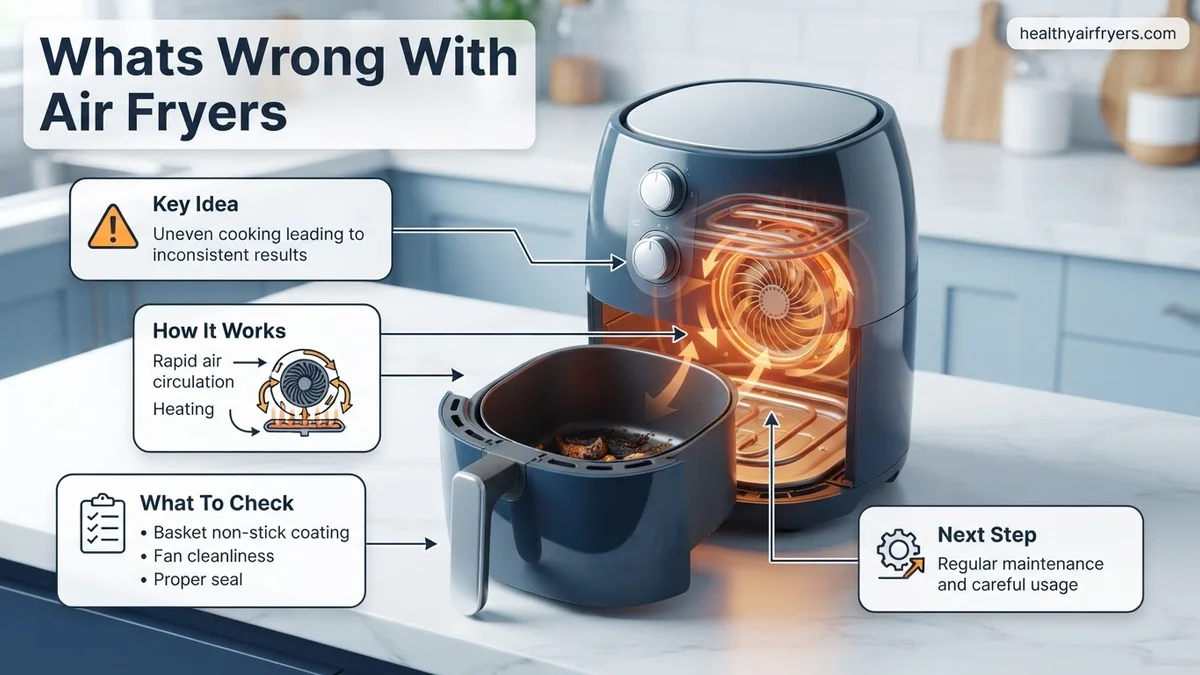
Many traditional air fryer baskets rely on non-stick coatings containing polytetrafluoroethylene (PTFE) or other per- and polyfluoroalkyl substances (PFAS). When these coatings are accidentally scratched or subjected to temperatures exceeding 400 degrees Fahrenheit, they can degrade and release toxic fumes. Ingestion or inhalation of these degraded particles poses documented health risks.
- Scratched baskets release microparticles directly into your food
- Overheating empty baskets triggers harmful polymer fume fever
- Cheaper models may lack strict manufacturing oversight regarding heavy metals
Acrylamide Formation and Fire Dangers
Air frying uses intense dry heat, which can accelerate the formation of acrylamide—a chemical compound that forms in starchy foods when cooked above 250 degrees Fahrenheit. Additionally, poor ventilation and electrical faults make air fryers a notable kitchen fire hazard, especially when grease accumulates in the bottom drawer.
How to Fix Common Functional Drawbacks and Safety Issues
Beyond health risks, air fryers come with practical design flaws that frustrate home cooks. From cramped capacities to nightmarish cleaning routines, these appliances demand more maintenance than standard ovens.
Capacity Limits and Uneven Cooking
Manufacturers often advertise large capacities, but you can only utilize a fraction of that space if you want genuinely crispy food. Overcrowding the basket blocks circulating air, leaving you with half-cooked, soggy meals.
- Batch cooking becomes necessary for families of three or more
- Stacking foods forces you to pause and shake the basket repeatedly
- Bulky designs consume valuable counter space while offering limited internal volume
The Cleaning Burden and Maintenance
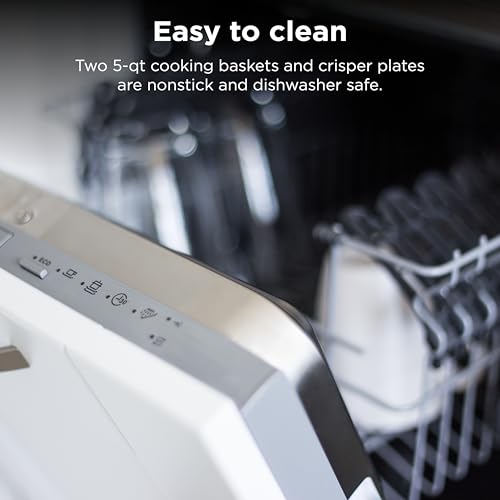
The intricate wiring, perforated trays, and hard-to-reach heating elements make thorough cleaning tedious. Grease splatters easily onto the upper coil, where it burns during subsequent uses, creating persistent smoke and unpleasant odors.
Step-by-Step Guide to Safe Daily Air Fryer Operation
Operating a countertop convection cooker requires strict adherence to safety protocols to prevent material degradation and chemical exposure. Modern kitchen standards emphasize proper loading techniques to maintain airflow and minimize toxic emissions.
Pre-Operation Checks and Preparation
- Inspect the non-stick coating for deep scratches or flaking before every single use.
- Place the appliance on a heat-resistant surface with a mandatory 6-inch clearance from walls and cabinetry to ensure adequate ventilation.
- Line the basket exclusively with perforated parchment paper designed for high-heat cooking, avoiding solid foils that block the convection fan.
Cooking and Post-Use Maintenance
- Load food in a single layer, avoiding overcrowding that forces prolonged heating cycles and increases acrylamide formation.
- Set cooking temperatures below 400 degrees Fahrenheit to prevent the breakdown of polytetrafluoroethylene (PTFE) coatings.
- Allow the unit to cool completely for at least 30 minutes before washing the basket with a soft sponge and mild dish soap.
What If Your Air Fryer Still Produces Smoke or Uneven Food
Persistent smoke and unevenly cooked meals often indicate underlying mechanical failures or severe grease accumulation within the heating element assembly. When standard cleaning procedures fail to resolve these performance issues, targeted intervention is required to restore safe operation.
Troubleshooting Persistent Issues
- Unplug the appliance and thoroughly clean the upper heating coil using a damp microfiber cloth to remove baked-on oil splatters that cause white or grey smoke.
- Test the internal thermostat accuracy with an independent oven thermometer to verify whether the heating element is cycling correctly.
- Check the convection fan housing for obstructions, ensuring the fan spins freely without friction or wobbling.
- Contact the manufacturer or an authorized appliance repair center if electrical components emit a burning plastic smell, as internal wiring insulation may be failing.
- Evaluate replacement costs: professional repair services typically range from $75 to $130, making replacement the safer economic choice for units valued under $100.
Conclusion
Air fryers offer undeniable convenience, but overlooking material degradation, acrylamide risks, and maintenance can compromise household safety. According to verified research and expert consumer safety sources, regular inspection of non-stick surfaces and diligent grease removal eliminate the vast majority of operational hazards. The most effective next step is to audit your current countertop appliance today, checking the internal coating for wear and adjusting your maximum cooking temperatures to protect long-term health.
❓ Frequently Asked Questions
What toxic chemicals are found in air fryers?
Many traditional air fryers utilize non-stick coatings containing PTFE or older formulations involving PFOA. When overheated past 400°F empty, these coatings can degrade and release polymer fumes that cause temporary flu-like symptoms in humans and are fatal to pet birds.
How can I prevent non-stick coating flaking?
Protect your air fryer’s coating by avoiding metal utensils, harsh abrasive scouring pads, and non-stick cooking sprays containing harsh propellants that degrade the surface layer over time. Instead, use wooden or silicone tools and clean with soft sponges.
Why does overcrowding ruin air fryer results?
Air fryers rely on rapid air circulation to cook food evenly. Overcrowding blocks airflow, resulting in soggy textures and unevenly cooked food that requires much longer preparation times.
Are ceramic-coated air fryers safer than Teflon?
Ceramic-coated alternatives are generally considered free of PTFE and PFOA, making them a popular choice for health-conscious consumers. However, they can still lose their non-stick properties over time if exposed to thermal shock or abrasive cleaning.
What is the safest way to clean an air fryer?
Unplug the unit and let it cool completely before wiping the interior with a damp cloth. Wash the basket and tray in warm, soapy water using a non-abrasive sponge, ensuring all trapped grease is removed to prevent future smoking.
Do air fryers consume a lot of electricity?
Air fryers typically draw between 1,500 and 1,800 watts, but because they cook faster than traditional ovens, they often use less total energy per meal depending on batch sizes.