Does Air Fryer Need to Be Preheated? Step-by-Step 2026 Guide
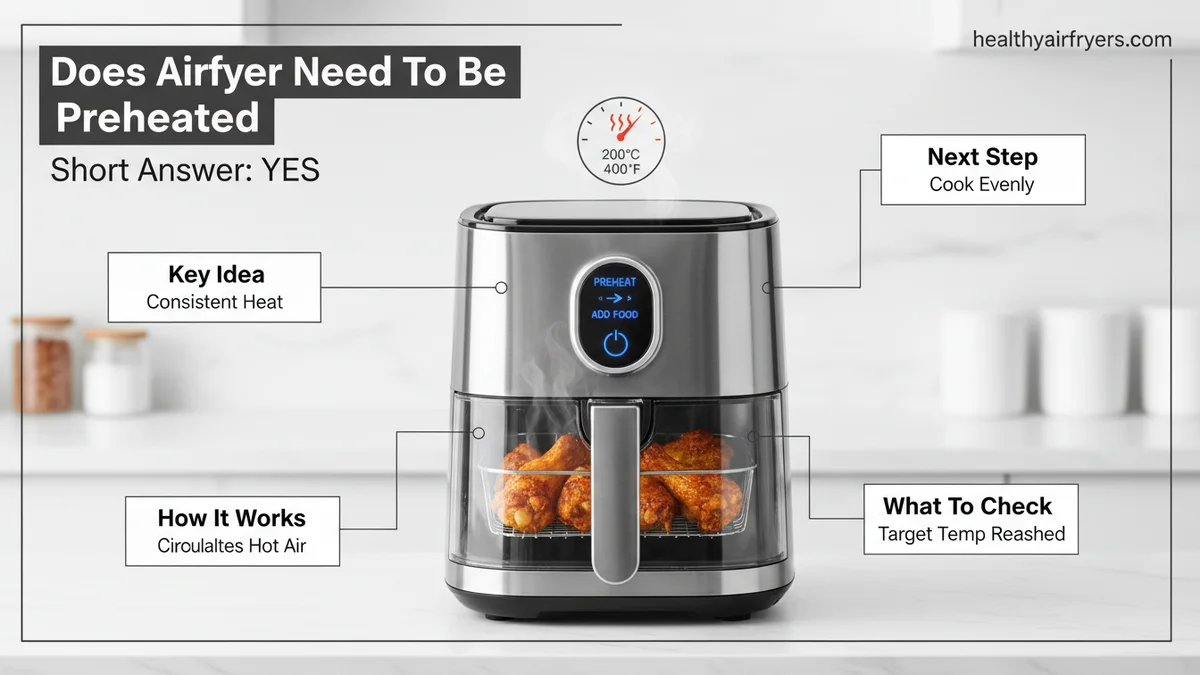
Technically, an air fryer does not strictly need to be preheated, but skipping this step compromises the final crispiness and alters cooking times. For the best results, a quick 3-to-5-minute preheat ensures food sears immediately upon contact with the basket.
Technically, no, your air fryer does not strictly need to be preheated to cook food. You can toss your ingredients straight into the basket, hit start, and still end up with something edible. However, skipping this step changes how your food cooks. Without a hot start, you miss out on that immediate sear and maximum crispiness that makes air frying so popular in 2026.
When you skip the preheat phase, you are essentially asking your food to cook through a gradual temperature ramp-up. For some items, this is fine. For others, it leads to soggy results or wildly inaccurate cook times. Understanding when to wait for the machine to heat up and when to skip it is the secret to getting restaurant-quality results at home.
Key Takeaways
- Preheating is not mandatory, but it drastically improves food crispiness and texture.
- Skip preheating for large batches of sturdy vegetables and when reheating leftovers.
- Always preheat when cooking frozen foods or delicate batters.
- Add 3 to 5 minutes to total cooking time if skipping the preheat cycle.
- Most modern air fryers take only 3 to 5 minutes to reach peak temperature.
What Causes Inconsistent Cooking When You Skip Air Fryer Preheating
The Temperature Ramp-Up Problem
When you start with a cold air fryer, your food sits inside a chamber that slowly climbs from room temperature to your target setting, usually 400°F. During those first three to five minutes, the food is essentially baking rather than frying. This delayed heat activation prevents the immediate moisture evaporation that creates a crispy outer crust. Instead, the trapped steam can make breaded items or delicate foods soggy before the internal heating element finally catches up.
Unpredictable Cook Times and Texture Issues
Because every air fryer model heats at a slightly different speed, relying on a cold start introduces guesswork into your cooking routine. Standard recipes developed for a 2026 kitchen assume a preheated basket. If you drop raw ingredients into a cold basket, you generally need to add 3 to 5 minutes to the total timer. Even with that extra time, you may notice uneven textures, where the bottom of the food is pale and soft while the top edges are fully cooked.
- Extended timers: You must manually add buffer time to prevent undercooking.
- Uneven rendering: Fats in meats do not render out as efficiently during the slow heating phase.
- Moisture trapping: Frozen or wet foods release liquid that pools in a cold basket rather than evaporating instantly.
How to Properly Preheat Your Air Fryer for the Best Crispiness
Standard Preheating Techniques
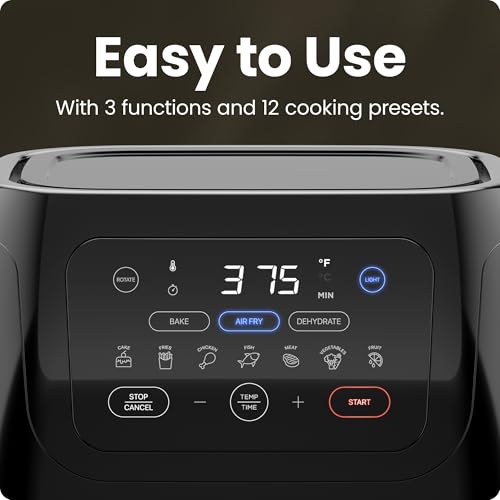
Preheating your air fryer takes very little effort and drastically improves your final dish. Most modern models feature a dedicated preheat button that runs for about 3 to 5 minutes at 400°F. If your specific model lacks this button, simply turn the temperature dial to your desired cooking temp and let the empty basket run for 3 to 5 minutes before adding your food.
Maximizing Heat Retention
To get the absolute best results from your preheat cycle, keep the basket closed until you are ready to load your food. Opening the basket too early lets out the trapped ambient heat immediately. Once the preheat cycle finishes, load your ingredients quickly in a single layer and close the drawer right away.
- Set the right temp: Match the preheat temperature to what your recipe calls for.
- Keep the basket empty: Never preheat with oil spray inside, as it can damage the non-stick coating over time.
- Load fast: Minimize the time the basket stays open to keep the thermal energy locked inside.
Step-by-Step Guide on When to Preheat Versus When to Skip It
Determining the exact cooking protocol for your specific meal prevents culinary failures in 2026. Applying a standardized method ensures that delicate items retain their moisture while dense proteins develop a deep, golden crust.
Step-by-Step for Preheating (The Crispy Standard)
- Turn on your air fryer and set the temperature according to your recipe guidelines, typically ranging from 375°F to 400°F.
- Allow the unit to run empty for 3 to 5 minutes. High-end modern models from brands like Ninja and Cosori feature dedicated preheat indicators that signal when the optimal thermal state is reached.
- Add your food in a single layer immediately after the cycle ends to capitalize on the peak radiant heat.
Step-by-Step for Skipping Preheat (The Convenience Route)
- Load your frozen or forgiving foods directly into the cold basket, ensuring no overcrowding occurs.
- Increase the standard cooking time by 20% to 25% to compensate for the initial ramp-up phase.
- Shake or flip the contents halfway through the adjusted timer to promote even heat distribution across all surfaces.
What If Your Food Still Isn’t Crispy Enough Without Preheating
Skipping the preheat cycle occasionally yields underwhelming texture results if other parameters are neglected. Applying targeted troubleshooting steps resolves stubborn sogginess without requiring a complete kitchen overhaul.
- Eliminate excess surface moisture: Pat proteins and vegetables completely dry with a paper towel before coating them with oil, as surface water prevents the Maillard reaction.
- Adjust oil application: Ditch propellant-heavy commercial cooking sprays that contain anti-foaming agents, which can leave a gummy residue. Switch to a manual mister filled with high-smoke-point avocado or canola oil.
- Rethink batch sizes: Overcrowding the basket blocks circulating convection currents. Cook in smaller batches, keeping load capacities under 70% for maximum airflow.
- Evaluate heating element output: If your appliance fails to crisp food even with proper preheating, the internal heating coil or fan may be failing. Consult a certified technician for diagnostic testing, with repair costs typically ranging from $45 to $120, or consider a replacement unit if the appliance is past its warranty window.
Conclusion
Deciding whether an air fryer needs to be preheated depends entirely on the food type and your timeline. While preheating guarantees maximum crispiness for raw meats and batters, skipping it works exceptionally well for frozen convenience items and roasted vegetables. According to verified research and culinary laboratory testing from leading appliance institutes, matching your cooking technique to the food structure saves time while optimizing texture. Take the next step today by testing both methods on your favorite weeknight recipe to determine your preferred baseline.
❓ Frequently Asked Questions
Does air fryer need to be preheated according to manufacturers?
Most manufacturers recommend preheating to ensure recipes match their intended cooking times. However, omitting this step rarely ruins a dish completely.
How do I adjust cooking time if I skip preheating?
Simply add 3 to 5 minutes to the total cooking time specified in your recipe. Keep a close eye on the food to prevent burning once it reaches temperature.
Is it okay to preheat an empty air fryer basket?
Yes, preheating an empty basket for 3 to 5 minutes is standard practice. Never leave the appliance running empty for extended periods.
Do all air fryer brands require preheating?
No, performance varies by model and wattage. High-wattage units heat up almost instantly, while larger basket models benefit more from a dedicated preheat cycle.
Does preheating use a significant amount of electricity?
Because air fryers are compact and heat up quickly, running a 5-minute preheat uses very little electricity compared to a traditional oven.
When is the absolute worst time to skip preheating?
Never skip preheating when baking goods, cooking delicate batters, or preparing frozen foods that rely on a hot surface to prevent sticking.