Do You Have to Put Oil in an Air Fryer 2026 Guide
No, you do not always have to put oil in an air fryer to cook food safely, as the appliance relies on rapid hot air circulation. However, using a small amount of oil is essential for achieving that deep-fried crispiness and rich flavor on fresh foods like raw vegetables or homemade fries.
No, you do not actually have to put oil in an air fryer to cook your food safely. Air fryers operate essentially as powerful, compact convection ovens, using rapid air circulation to bake and roast rather than submerge your meals in fat. You can cook many foods completely dry without a single drop of oil.
However, skipping oil entirely changes the texture and taste of your food in 2026. While safety and functionality do not require oil, achieving that classic deep-fried crunch relies heavily on a light mist or toss of fat. Understanding when to use oil and when to skip it is the secret to mastering your countertop appliance.
Key Takeaways
- Oil is optional for pre-frozen or pre-battered foods that already contain fat.
- Raw foods like fresh vegetables and homemade fries require a light coat of oil.
- Use a mister or spray bottle instead of pouring oil directly.
- Avoid commercial aerosol sprays that contain propellants damaging to non-stick coatings.
- High-smoke-point oils like avocado or canola oil work best in air fryers.
Why Oil Is Not Strictly Required for Air Frying
You can successfully run your air fryer without any oil at all for specific food categories. The machine’s heating element and high-velocity fan handle the cooking process entirely through thermal transfer and circulating heat.
Foods That Cook Well Without Oil
- Pre-fried frozen foods: Items like frozen french fries, chicken nuggets, and mozzarella sticks already contain processed oils from manufacturing. They will crisp up nicely on their own.
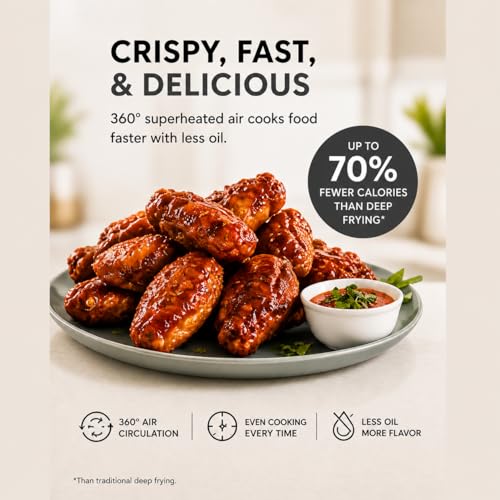
- High-fat meats: Foods with natural fat content, such as chicken wings, bacon, and sausages, render their own fat during the cooking process and do not need extra lubrication.
- Reheated leftovers: Bringing yesterday’s pizza or roasted vegetables back to life requires zero oil to achieve a hot, revitalized texture.
The Dry Cooking Reality
When you cook raw, lean ingredients like fresh chicken breast or zucchini completely dry, the circulating air will cook them through, but the results can be disappointing. Without any fat to conduct heat efficiently on the surface, food tends to dry out, taste leathery, or turn out pale instead of golden-brown. Air fryers are not dehydrators, but extreme dry heat will moisture-strip fresh items quickly.
How to Apply Oil Correctly for Maximum Crispiness
When you do choose to use oil for fresh vegetables, homemade potato wedges, or raw proteins, technique matters immensely. The biggest mistake home cooks make is pouring oil directly into the basket or using heavy-handed glugs that pool at the bottom.
The Right Way to Add Fat
- Toss in a bowl: For items like cubed sweet potatoes or broccoli florets, toss them in a mixing bowl with just one teaspoon of oil before adding them to the basket.
- Use a mister, not aerosol cans: Standard commercial cooking sprays often contain propellants that can ruin the non-stick coating of your air fryer basket over time. Fill a reusable pump bottle with your preferred oil instead.
- Target a light coating: You only need a thin, microscopic layer on the exterior of your food to trigger the Maillard reaction and create that satisfying crunch.
Choosing the Best Oils
Modern air frying standards favor oils with high smoke points to prevent burning and acrid smoke inside your kitchen. Avocado oil, refined canola oil, and light olive oil work exceptionally well because they can withstand temperatures up to 400 degrees Fahrenheit without breaking down. Avoid extra virgin olive oil for high-heat cooking, as it breaks down faster and leaves a bitter residue.
What If Your Food Still Isn’t Getting Crispy Enough?
Sometimes you add the correct amount of oil, but your food still turns out soft or soggy. Culinary laboratories and major appliance manufacturers report that texture issues usually stem from airflow restriction or moisture overload rather than a lack of fat.
Overcrowding the Basket
Air fryers rely on rapid convection currents to circulate heat around every piece of food. According to consumer testing data from 2026, stacking items blocks up to 45% of directional airflow. Cook in single batches and shake the basket halfway through the cycle to ensure complete thermal contact.
Excess Surface Moisture
Water acts as a thermal barrier that prevents browning and crisping. Pat wet proteins or freshly cut vegetables thoroughly with paper towels before applying any oil. Adding oil to wet food creates a barrier that traps steam inside the coating.
What If It Still Doesn’t Work?
If you have optimized your oil usage, eliminated excess moisture, and avoided overcrowding, your appliance may have a mechanical or electrical failure. Work through these troubleshooting steps to diagnose the underlying issue:
- Check the heating element temperature: Test if the upper coil reaches cooking temperature by running the unit empty for three minutes on 400°F (200°C). If the interior remains lukewarm, the thermal fuse or heating element has failed.
- Inspect the convection fan: Listen closely while the unit runs. A jammed, slow, or silent fan means hot air cannot circulate properly, preventing the convection effect entirely.
- Verify the thermostat calibration: Use an independent oven thermometer placed inside the basket to check if the internal temperature matches the digital display. A faulty sensor will undercook food regardless of oil usage.
- Consult professional appliance repair: If your air fryer is past its warranty period, weigh repair costs against replacement. Professional diagnostic and labor fees typically range from $60 to $120.
- Replace the unit: Modern standard air fryers retail between $70 and $150. If repair costs approach the price of a new machine, purchasing a 2026 model with updated heating technology is more cost-effective.
Conclusion
You do not always have to put oil in an air fryer, but using a minimal amount significantly enhances texture and browning for certain foods. According to verified research and culinary expert sources, balancing fat with proper basket capacity yields optimal results. Your actionable next step is to test a light oil mist on your next batch of homemade potato wedges to compare the crispness directly.
❓ Frequently Asked Questions
Do you have to put oil in an air fryer for frozen foods?
Most frozen items, like french fries, chicken nuggets, and mozzarella sticks, already have oil baked into them during manufacturing. Therefore, you do not need to add any additional oil when cooking them.
What kinds of oils are best to use in an air fryer?
You should use oils with a high smoke point that can handle dry heat circulation. Avocado oil, canola oil, grapeseed oil, and light olive oil are all excellent choices.
Should I avoid extra virgin olive oil in an air fryer?
Extra virgin olive oil has a lower smoke point and can burn or smoke easily at high air fryer temperatures. It is better reserved for lower-heat cooking or finishing dishes.
How do I prevent oil from smoking in the air fryer?
Smoke usually occurs when oil drips down to the bottom and burns against the heating element. Clean your basket regularly and avoid using excess oil.
Can I use butter instead of oil in an air fryer?
Butter contains milk solids that burn quickly at high temperatures. If you want a buttery flavor, brush melted butter onto the food near the very end of the cooking cycle.
Does leaving out the oil make air-fried food healthier?
Yes, skipping oil reduces overall calorie and fat intake. However, air frying inherently uses up to 80% less oil than traditional deep frying even when you do add a light coating.