What Can I Put in an Air Fryer Best 2026 Guide
An air fryer is a versatile countertop appliance that excels at cooking meats, vegetables, frozen convenience foods, and even baked goods by circulating hot air for a crispy finish. Knowing what works best—and what to avoid—helps maximize results and prevents kitchen mishaps. This 2026 guide outlines the ideal foods to cook and the items you should never put inside the basket.
You can cook almost anything in an air fryer, from raw proteins and fresh vegetables to perfectly textured frozen snacks and rapid leftovers. By circulating hot air at high speeds, this countertop appliance mimics deep-frying without the excess oil, giving you crisp results in a fraction of the time a conventional oven requires.
Knowing exactly what thrives in the basket saves you from culinary disasters and messy cleanups. As we navigate 2026, air fryers have evolved past basic novelty gadgets into essential kitchen workhorses, making it crucial to master the complete inventory of what you can safely and deliciously cook.
Key Takeaways
- Proteins like chicken wings, salmon, and steak achieve crispy outsides and juicy insides.
- Vegetables such as broccoli, Brussels sprouts, and potatoes roast exceptionally well with minimal oil.
- Frozen convenience foods cook faster and crispier than in a traditional oven.
- Never use wet batters, as they drip through the basket and burn instead of crisping.
- Always avoid overcrowding the basket to ensure proper airflow and even cooking.
What Foods Work Best in an Air Fryer — Diagnosis and Overview
The air fryer shines brightest with foods that benefit from rapid moisture extraction and high-heat crisping. If it tastes great fried, roasted, or grilled, it is a prime candidate for your basket.
Proteins and Frozen Favorites
Raw meats and convenience foods undergo a miraculous transformation in circulating heat. You get juicy interiors with crispy, rendered exteriors.
- Chicken wings and thighs: Render fat quickly for skin as crisp as deep-fried versions.
- Salmon fillets: Cook through in 7 to 9 minutes while keeping the center flaky and moist.
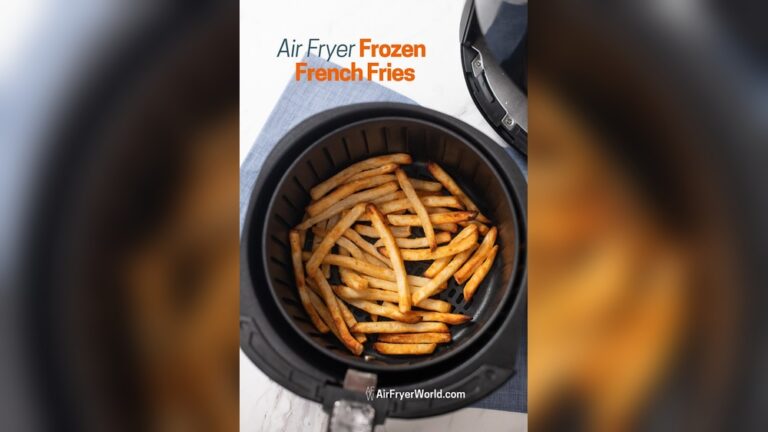
- Frozen convenience foods: French fries, chicken nuggets, mozzarella sticks, and onion rings crisp up evenly without preheating a large oven.
Vegetables and Reheated Meals
Vegetables caramelize beautifully under intense dry heat, while leftovers regain their fresh-cooked texture instead of turning soggy.
- Cruciferous veggies: Broccoli florets, Brussels sprouts, and cauliflower develop nutty, charred edges.
- Root vegetables: Diced sweet potatoes and russet potatoes transform into golden wedges.
- Day-old pizza and fried chicken: Reheat in 3 to 4 minutes to restore original crust crispness.
How to Choose and Prepare Foods for Your Air Fryer
Achieving restaurant-quality results at home depends entirely on how you select and prep your ingredients. The right preparation prevents smoke, sticking, and uneven cooking.
Sizing and Oil Application
Air fryers rely on unobstructed airflow. Overcrowding your basket is the single biggest mistake you can make.
- Cut uniformly: Chop vegetables and meats into even sizes so they finish cooking at the exact same time.
- Use minimal oil: Toss foods in 1 teaspoon to 1 tablespoon of high-smoke-point oil like avocado or canola oil rather than drenching them.
- Avoid aerosol cooking sprays: Propellents in commercial non-stick sprays can damage the basket’s non-stick coating over time. Opt for a manual pump mister instead.
Managing Moisture and Baskets
Excess liquid ruins crispiness and creates steam instead of a fried finish. Strategic prep guarantees success.
- Pat dry: Always use paper towels to dry wet proteins or freshly washed vegetables before seasoning.
- Shake or flip: Pause the cooking cycle halfway through to shake the basket or flip items with tongs for 360-degree crunch.
- Batch cook: Cook large portions in two separate batches rather than piling food high. Single layers always yield superior textures.
Step-by-Step Guide to Cooking Different Food Categories
Mastering your countertop convection cooker requires understanding how distinct ingredients react to rapid heat circulation. According to culinary safety guidelines from the USDA, raw proteins and fresh produce demand precise handling to ensure both optimal texture and food safety in 2026.
Proteins and Meats
- Pat chicken wings, steak cuts, or salmon fillets completely dry with paper towels to promote exterior crisping.
- Lightly mist the food with an oil having a high smoke point, such as avocado or canola oil, rather than using non-stick cooking sprays that damage basket coatings.
- Arrange the protein in a single layer without overlapping, setting temperatures between 380°F and 400°F.
- Check internal temperatures using a digital meat thermometer before serving to verify doneness standards.
Vegetables and Plant-Based Foods
- Chop root vegetables like sweet potatoes and Brussels sprouts into uniform one-inch pieces for even heat penetration.
- Toss the vegetable pieces in a bowl with a half-tablespoon of oil and preferred seasonings prior to loading.
- Shake the basket vigorously halfway through the cooking cycle to redistribute items and prevent localized burning.
What Not to Put in an Air Fryer and Safety Rules
Operating a high-powered convection appliance safely requires knowing its absolute limitations. Manufacturer manuals and culinary testing authorities explicitly warn against introducing certain materials and food styles into the heating chamber to prevent fire hazards and mechanical failure.
Prohibited Items and Ingredients
- Wet batters: Liquid coatings like traditional beer batter slide off the food immediately, pooling at the bottom and burning onto the heating element.
- Unsecured light paper: Parchment paper or paper towels must always have food weighted on top of them; otherwise, air currents lift the paper into the heating coil.
- Entire blocks of cheese: Unprocessed cheese melts rapidly into a greasy mess before forming a crust, creating a severe smoke hazard.
- Raw grains and rice: Uncooked dry grains require boiling water to hydrate properly, which a dry convection chamber cannot replicate.
What If Your Air Fryer Results Still Aren’t Crispy?
If your appliance fails to deliver the expected golden-brown crunch despite following basic guidelines, structural or operational issues are usually the root cause. Try these troubleshooting steps to restore performance:
- Overcrowding restricts airflow entirely; reduce batch sizes by 50 percent to allow the convection fan to circulate heat freely around every item.
- Inspect the heating element and fan blades for grease buildup; clean stubborn residue using a mixture of baking soda and warm water.
- Verify that your wall outlet supplies adequate voltage, as extension cords often cause power drops that prevent the unit from reaching its peak operating temperature of 400°F.
- If the internal thermostat fails and the unit refuses to heat or shuts off randomly, contact the manufacturer’s customer service department for diagnostic support. Out-of-warranty motor or heating element replacements typically range from $60 to $120, making professional repair a viable alternative to purchasing a brand-new appliance.
Conclusion
Maximizing your countertop convection cooker involves pairing the right ingredients with proper loading techniques while strictly avoiding wet batters and overcrowded baskets. According to verified research and appliance testing standards for 2026, proper maintenance and single-layer cooking yield the crispiest, safest culinary results. An actionable next step is to audit your pantry and refrigerator today to select a single batch of fresh vegetables or proteins to test using these precise temperature and oil guidelines.
❓ Frequently Asked Questions
What foods should I avoid putting in an air fryer?
You should avoid wet batters because they create a messy splatter and burn before cooking through. Additionally, avoid loose leafy greens that can blow into the heating element, large whole chickens that block airflow, and raw grains like rice that require boiling water to cook.
Can I cook raw meat and vegetables together?
Yes, you can cook them together, but you must account for different cooking times. Cut vegetables into larger pieces or add them halfway through if the meat requires a longer cooking time to prevent the vegetables from burning.
Is it safe to put cheese directly in the air fryer?
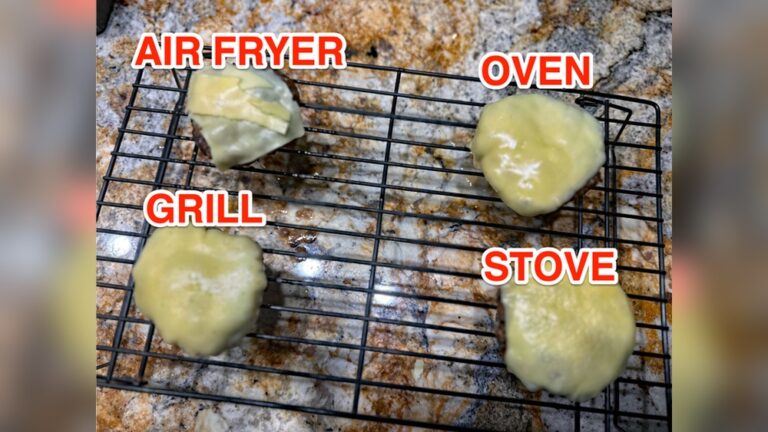
Putting bare cheese directly on the basket grate is not recommended because it will melt and drip through before forming a crust. Instead, use breaded cheese products, place cheese on top of a burger patty, or use a piece of parchment paper.
How do I properly reheat leftovers in an air fryer?
Set your air fryer to a moderate temperature around 350°F and heat food for 3 to 5 minutes depending on the portion size. This method restores crispiness to pizza, fried chicken, and fries much better than a microwave.
Can I put glass or ceramic dishes in an air fryer?
You can use oven-safe glass or ceramic dishes as long as they fit comfortably in the basket with enough space around the sides for airflow. Always verify that the dish is labeled oven-safe by the manufacturer before heating.
Why do I need to shake the air fryer basket while cooking?
Shaking or flipping food halfway through the cooking cycle redistributes the items, ensuring that all sides are exposed to the circulating heat for even browning and crispiness.