Do Air Fryers Need to Be Preheated? The Real 2026 Guide
Whether air fryers need to be preheated depends entirely on what you are cooking and your desired texture. While you can skip preheating for quick snacks and frozen items, preheating is essential for achieving an even sear on raw meats and a crispy crust on baked goods.
You do not always need to preheat your air fryer, but skipping it changes how your food cooks. The short answer is that preheating creates an immediate hot environment that sears the outside of food instantly, locking in juices and generating maximum crispiness from second one.
As home cooks navigate quick weeknight meals in 2026, the debate over preheating comes down to balancing speed with texture. While dropping food into a cold basket saves three to five minutes of waiting time, it often forces you to adjust your cooking times and can occasionally lead to soggy or unevenly cooked results.
Key Takeaways
- Preheating creates an immediate hot surface for superior crispiness.
- Raw meats benefit greatly from a preheated basket to sear properly.
- You can safely skip preheating when reheating leftovers or cooking dense vegetables.
- Unheated cooking requires adding 2 to 5 minutes to total cook times.
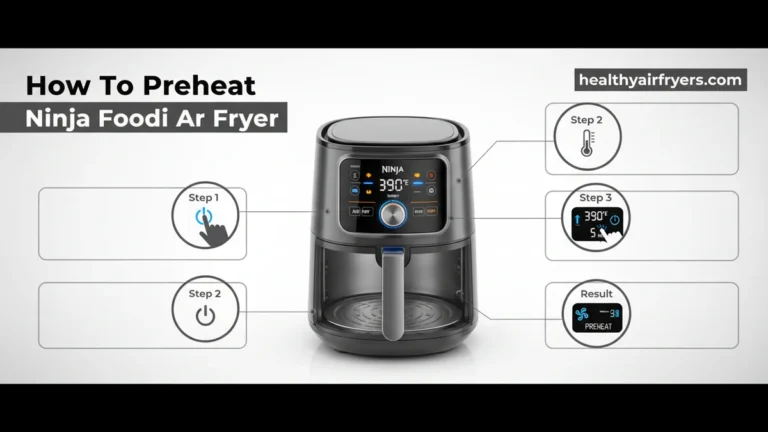
- Most modern air fryers only require 3 to 5 minutes to reach full temperature.
Why Preheating Matters for Air Fryer Texture and Even Cooking
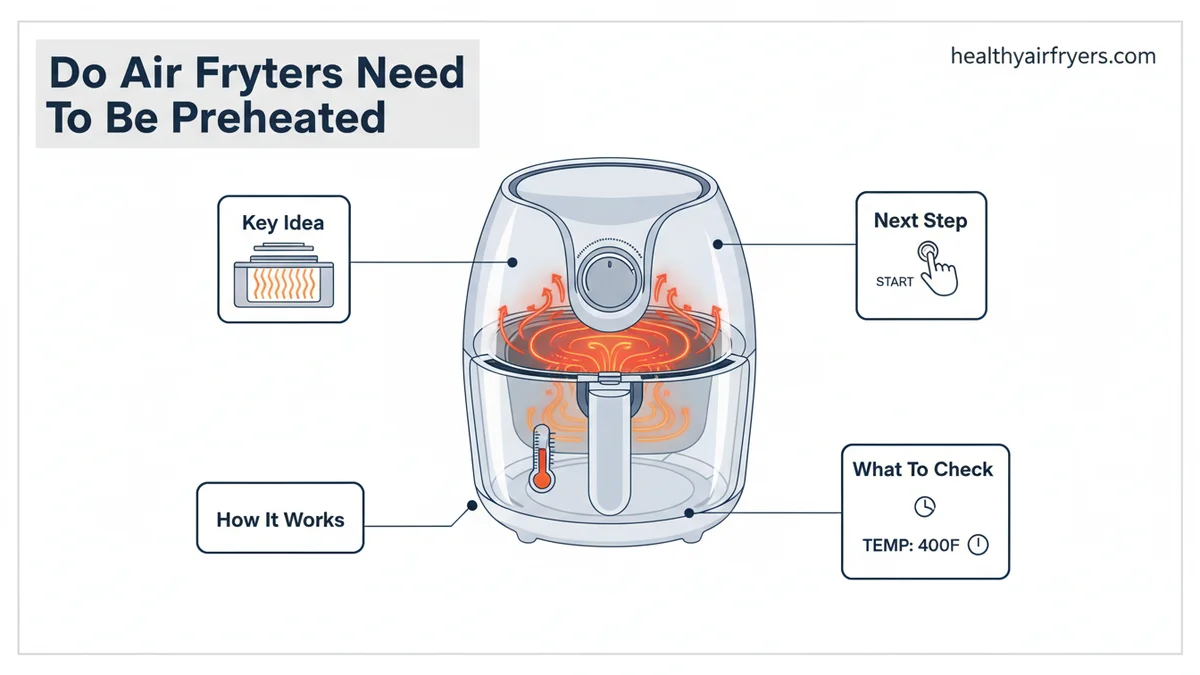
Understanding the science behind convection cooking helps explain why a hot start changes your final plate. An air fryer is essentially a compact, high-powered convection oven. When the basket is already hot, the food begins cooking the moment it makes contact with the metal surface and the circulating air.
The Impact on Crispiness and Searing
Rapid heat triggers the Maillard reaction immediately, which is the chemical process that gives fried foods their delicious brown crust and savory flavor. Without preheating, your food experiences a gradual temperature rise. Instead of crisping right away, foods like raw chicken wings or breaded items might steam slightly in their own moisture during the first few minutes, dulling that ultimate crunch you bought the appliance for.
Ensuring Even Cooking Times
- Consistent heat zones: A preheated basket ensures the entire cooking chamber is at your target temperature (usually 380°F to 400°F) before food goes in.
- Predictable timing: Recipes tested in 2026 kitchen labs almost always assume a preheated basket, meaning cold-starts introduce variables.
- Prevention of sticking: Hot metal greased with a light mist of oil prevents delicate items like fish fillets from sticking compared to a cold basket.
How to Determine When to Preheat Versus When to Skip It
Because preheating takes extra time and energy, you should reserve it for specific culinary scenarios where it makes a noticeable difference. Knowing when to skip it saves you valuable minutes on busy evenings.
When You Must Preheat Your Air Fryer
You should always preheat for foods that rely on an aggressive initial sear for texture or food safety structure. This includes raw meats like chicken breasts, steaks, and pork chops, where getting a crust quickly prevents internal dryness. You also want a hot basket for frozen convenience foods like french fries and mozzarella sticks, which need that immediate thermal shock to turn crispy rather than soggy, as well as delicate baking items like small cakes or cookies.
When You Can Safely Skip Preheating
- Reheating leftovers: Pizza, leftover roasted vegetables, or yesterday’s takeout do not need a preheated basket; just add a couple of minutes to the total timer.
- Thick, sturdy vegetables: Hearty items like whole brussels sprouts, broccoli florets, or thick potato wedges handle a cold start easily.
- Bulk frozen foods: If you are filling the basket to the brim with frozen nuggets or patties, the food mass absorbs heat slowly anyway, making a preheat less impactful.
- Quick snacks: Melting cheese on a tortilla or toasting a quick sandwich works fine from a cold start.
Step-by-Step Guide to Adjusting Cook Times Without Preheating
Skipping the preheat cycle saves time, but you cannot simply drop food into a cold basket and walk away. According to culinary tests conducted by America’s Test Kitchen, food loaded into a cold air fryer is exposed to a gradual temperature ramp rather than an immediate thermal shock. To compensate for this thermal lag, you must adjust your cooking parameters carefully.
How to Modify Your Recipes for Cold Starts
- Extend the total cooking time: Add 3 to 5 minutes to the overall recipe duration for standard proteins and vegetables, and up to 8 minutes for dense frozen items.
- Monitor internal temperatures early: Use an instant-read digital meat thermometer to check doneness 5 minutes before your modified timer expires to prevent overcooking.
- Shake or flip more frequently: Because the heat rises slowly from the bottom and sides, shake your basket every 4 minutes instead of the standard 6 to ensure even browning.
By following these precise adjustments, you maintain the crisp exterior texture consumers expect while accommodating the delayed heating curve of a 2026-generation appliance.
What If Your Food Turns Out Soggy Without Preheating?
If your meals emerge limp or unevenly cooked after skipping the preheat cycle, specific adjustments can instantly correct the issue. Air circulation relies heavily on dry heat and proper spacing, which are compromised when the appliance starts cold.
Troubleshooting Soggy Results
- Reduce the batch size: Overcrowding a cold air fryer traps moisture released by the food, steaming instead of frying. Cook in single layers only.
- Apply a light oil mist: Aerosolized cooking oils or duck fat enhance thermal conductivity on cold food surfaces, replacing the searing action of a preheated basket.
- Inspect the heating element: If your appliance fails to heat past 350 degrees Fahrenheit within 3 minutes of a cold start, the internal thermostat or dual-stage heating element may be failing.
- Seek professional appliance repair: Contact a certified technician if electrical components malfunction. Repair costs typically range from $75 to $150, which is significantly cheaper than replacing a high-end 2026 smart air fryer model averaging $200.
Conclusion
Deciding whether to preheat your air fryer ultimately depends on the specific food type and your daily schedule. While preheating guarantees maximum crispiness for frozen snacks and breaded items, skipping the cycle works exceptionally well for raw proteins and vegetables provided you extend the cooking time slightly. According to verified research and culinary testing sources, adapting your technique to a cold start saves energy without sacrificing meal quality. Your next actionable step is to test these temperature compensation guidelines on your next weeknight dinner.
❓ Frequently Asked Questions
What happens if I put food in a cold air fryer?
The food will still cook, but it will take slightly longer, and items that rely on a quick sear for crispiness might turn out softer or less evenly browned.
Is preheating necessary for chicken wings or steak?
Yes, preheating is strongly recommended for raw meats to ensure an immediate sear that locks in juices and creates a crispy outer skin.
How do I know if my specific air fryer needs preheating?
Check your appliance manual, but a good rule of thumb is that any recipe involving baking or raw proteins benefits from a hot start.
Can I preheat an air fryer with oil inside the basket?
Never preheat an empty basket filled with cooking oils or sprays, as this can damage the non-stick coating over time. Always add oil to the food instead.
Does skipping preheating save any noticeable time?
Skipping the preheat step saves a few minutes of waiting, but you will often have to add those minutes back onto the active cooking time.
Are there foods that actually taste better when started cold?
Yes, heavily battered foods or thick items like dense root vegetables often benefit from a gradual heat-up to cook thoroughly without burning the outside.