Why Does Air Fryer Smell? Proven Fix & Safety Guide 2026
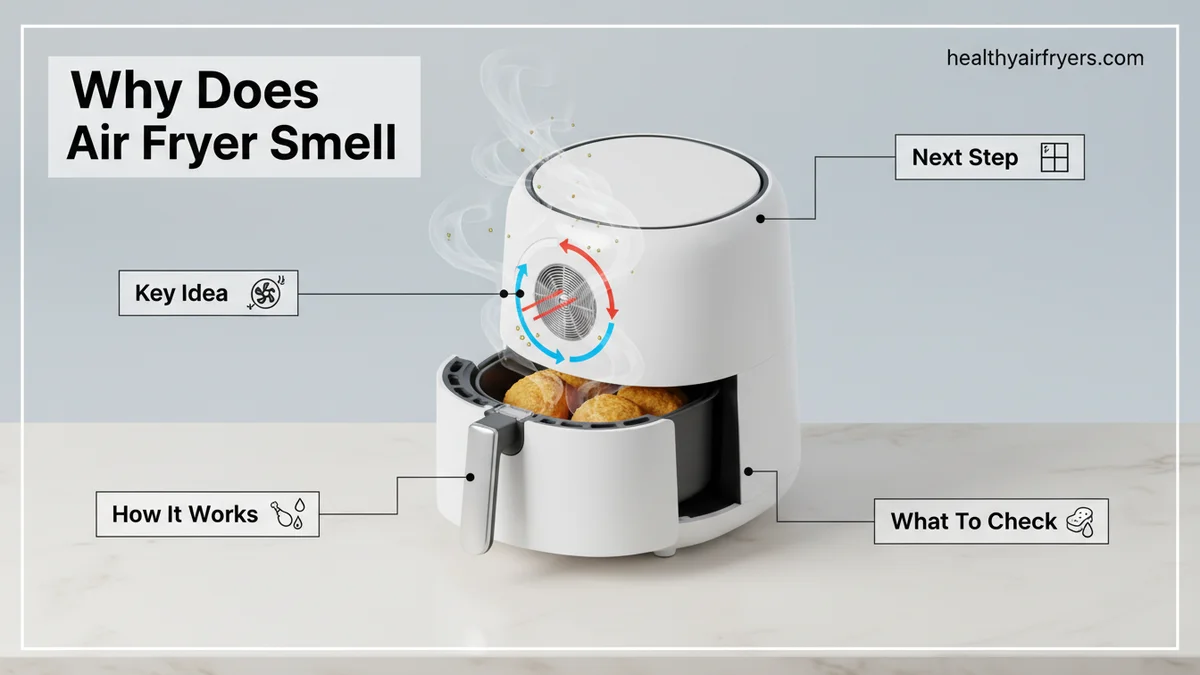
An air fryer typically smells because of new factory residue, trapped food particles, or grease buildup on the heating element. Identifying the exact source of the odor helps determine whether it requires a simple cleaning or a burn-off cycle.
An air fryer emitting a foul, chemical, or burning odor usually stems from manufacturing residue on a brand-new heating element, trapped grease and food crumbs in the cooking cavity, or an electrical malfunction. Ignoring this smell can ruin your food’s flavor and, in severe cases, pose a safety hazard in your consumer-updates/use-kitchen-appliances-safely” target=”_blank” rel=”noopener noreferrer” title=”FDA kitchen appliance safety guidelines”>kitchen.
Diagnosing the exact source of the smell depends on whether your appliance is fresh out of the box or a well-used kitchen workhorse. By identifying the root cause quickly, you can eliminate the odor and get back to cooking safely in 2026 without filling your home with unpleasant fumes.
Key Takeaways
- New air fryers often smell like burning plastic due to factory protective coatings.
- Food debris trapped on the heating element causes persistent burning odors.
- Run a lemon and water burn-off cycle to eliminate chemical smells safely.
- Soaking the basket in warm soapy water removes stubborn grease buildup.
- Electrical burning smells indicate internal damage and mean you must stop using the unit immediately.
What Causes Your Air Fryer to Smell Bad
New Appliance Chemical Residue
When you unbox a brand-new air fryer, it often emits a sharp, plastic-like chemical odor during the first few uses. This happens because manufacturers coat internal parts and heating elements in protective oils and lubricants to prevent corrosion during shipping and storage. Once you turn the appliance on, these factory oils heat up and vaporize, creating that unmistakable burning plastic scent. Fortunately, this is completely normal and typically fades after two to three initial heating cycles.
Trapped Food Particles and Grease Buildup
If your air fryer is a few months or years old, a sudden burning smell almost always points to accumulated residue. Every time you cook greasy items like bacon, wings, or cheese, tiny microscopic splatters escape the basket and hit the upper heating element. Over time, this grease bakes on, carbonizes, and burns every time you turn the unit on. You might notice smoke billowing from the top vent alongside a pungent, acrid food odor.
- Hidden Grease: Oil splashes onto the top heating coil where it is difficult to see.
- Crumbs: Small pieces of breading or food fall below the bottom crisper plate and burn during subsequent uses.
- Faulty Wiring: A rare but dangerous cause where internal electrical insulation begins to melt.
How to Clean Your Air Fryer and Stop the Odor
The Lemon and Vinegar Burn-Off Method
To eliminate stubborn manufacturing odors or deep-seated grease smells without scratching your non-stick basket, use a natural steam clean. This breaks down baked-on residues and neutralizes chemical stenches effectively before your next meal.
- Fill an oven-safe bowl or ramekin with one cup of water, a tablespoon of white vinegar, and a few slices of fresh lemon.
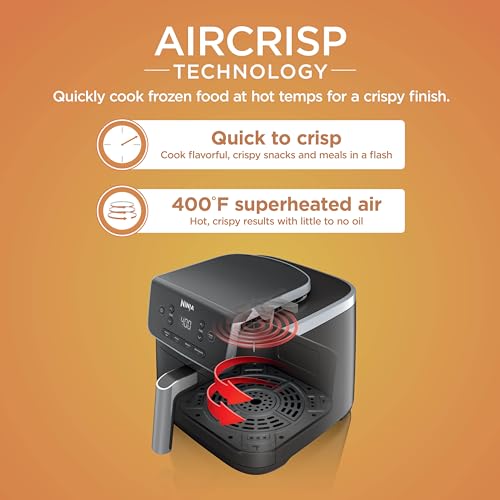
- Place the bowl directly inside the air fryer basket and run the appliance at 400 degrees Fahrenheit for about 10 minutes.
- Allow the unit to cool slightly, remove the bowl, and wipe down the interior walls with a microfiber cloth while the steam is still present.
Deep Cleaning the Basket and Heating Element
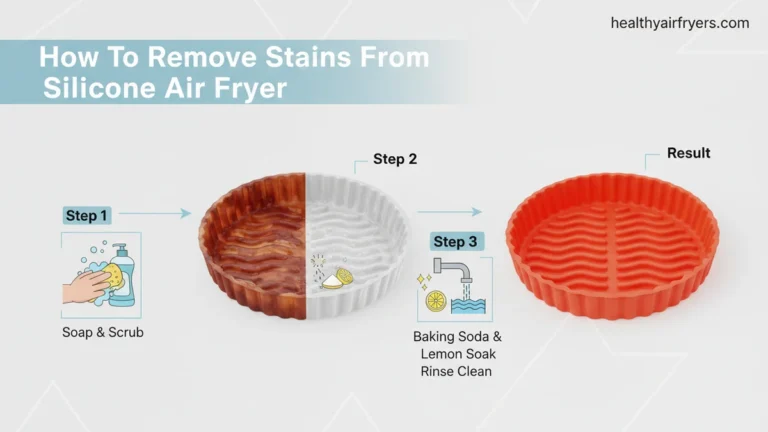
If the steam method does not fully eradicate the smell, you need a manual deep clean. Unplug your air fryer and let it cool completely. Wash the basket and crisper tray in warm, soapy water using a non-abrasive sponge. Never use metal scouring pads, as they strip the protective non-stick coating.
- Invert the Unit: Carefully turn your air fryer upside down or on its side to get a clear view of the upper heating element.
- Scrape Gently: Dip a soft-bristled brush or old toothbrush into a paste of baking soda and water to scrub away carbonized grease on the coil.
- Rinse and Dry: Wipe the heating element clean with a damp cloth, then run the empty air fryer at 380 degrees Fahrenheit for 5 minutes to dry out any lingering moisture.
Step-by-Step Guide to Running a Burn-Off Cycle
A proper burn-off cycle eliminates lingering factory coatings and residual manufacturing oils that cause chemical odors. According to appliance safety standards set for 2026, running a controlled thermal conditioning phase ensures safe food preparation.
Preparation and Setup
- Wash the air fryer basket and tray thoroughly in warm, soapy water to remove initial surface dust.
- Dry all components completely with a microfiber cloth before reinserting them into the appliance.
- Place the air fryer in a well-ventilated area, preferably near an open window or directly beneath an active kitchen exhaust hood.
Executing the Thermal Cycle
- Plug the power cord directly into a wall outlet, avoiding extension cords that can cause electrical resistance and secondary odors.
- Set the temperature control to 400°F (200°C), which is high enough to vaporize lingering industrial residues.
- Run the appliance empty for 15 to 20 minutes, allowing the heating element to fully cure.
- Unplug the unit and let it cool completely to room temperature before wiping the interior cavity with a damp cloth.
What If It Still Smells Like Burning Plastic or Electrical Wiring?
If chemical odors persist past the initial burn-off cycle, the issue may stem from internal component stress or wiring faults. Modern kitchen appliance guidelines advise immediate troubleshooting to prevent potential fire hazards.
Advanced Troubleshooting Steps
- Inspect the power cord and plug for any signs of melting, discoloration, or a distinct melting-plastic smell.
- Remove the air fryer drawer and check the upper heating element cavity for trapped food particles or grease buildup.
- Clean the interior fan blades with a soft-bristled brush dampened with a mild vinegar and water solution to remove baked-on grease.
- Verify that the appliance is plugged into a dedicated circuit, as overloaded outlets can cause internal wiring insulation to overheat.
- Contact the manufacturer customer service department if the unit remains under warranty, or consult a certified local appliance repair technician. Professional diagnostic fees typically range from $75 to $150, which helps determine if motor or wiring replacement is necessary.
Conclusion
Addressing an air fryer smell requires identifying the source, whether it is factory residue, hidden food debris, or electrical components. Executing a thorough burn-off cycle and maintaining strict cleaning habits will keep your appliance operating efficiently and odor-free. According to verified research and consumer safety organizations, regular preventive maintenance extends appliance lifespan and ensures optimal indoor air quality. Take the next step today by inspecting your air fryer basket and running a 15-minute high-heat thermal cycle to ensure peak performance.
❓ Frequently Asked Questions
Why does my air fryer smell like fish even after cleaning?
Fish oils penetrate porous non-stick coatings or get trapped behind the upper heating element shield. Scrubbing the interior with a baking soda paste usually neutralizes these persistent oils.
How many times will a new air fryer smell?
The chemical smell from a new air fryer typically disappears after two to four uses, provided you run an initial burn-off cycle before cooking food.
Can I use vinegar to eliminate bad air fryer odors?
Yes, wiping down the interior with a 50/50 mixture of white vinegar and water effectively cuts through stale grease and neutralizes foul smells.
Why does my air fryer smell like burning when the basket is clean?
Grease splatter often accumulates on the upper heating element or fan housing. When heated, this hidden residue burns and creates smoke and bad odors.
Is it safe to use an air fryer that smells like melting plastic?
If the smell persists past the first few uses or returns suddenly, it may indicate a melting internal component. Discontinue use immediately to prevent fire hazards.
How do I clean grease off the air fryer heating element?
Unplug the cooled air fryer, dip a soft brush or sponge into a warm dish soap solution, gently scrub the element, and wipe clean with a damp cloth.